




Improve Ventilation and Airflow
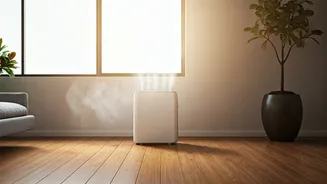
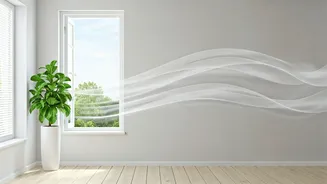
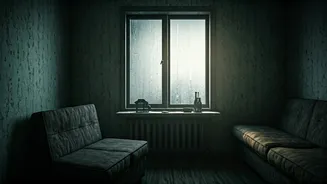
Trapped air is moist air. The single most effective way to combat dampness is to ensure good air circulation throughout your home. Make it a habit to open windows and doors for at least 15-20 minutes a day, especially during dry hours. This allows humid,
stale air to escape and fresh, dry air to enter. Creating cross-ventilation by opening windows on opposite sides of a room is particularly effective at preventing condensation on walls and ceilings. Also, remember to keep interior doors open to allow air to move freely between rooms, preventing moisture from getting trapped in one area.
Let the Sunshine In
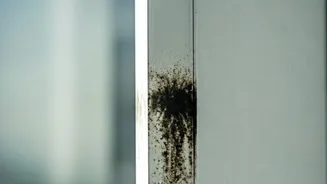
Never underestimate the power of sunlight. It is a natural and potent tool against dampness and mould. Whenever possible, draw back your curtains and let direct sunlight flood into your rooms. The warmth helps evaporate excess moisture from surfaces and fabrics. More importantly, the sun's ultraviolet (UV) rays are effective at killing mould spores, preventing them from growing and spreading. Making this a part of your daily routine can significantly reduce musty odours and lower overall humidity levels naturally.
Use Natural Dehumidifiers
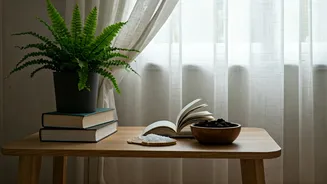
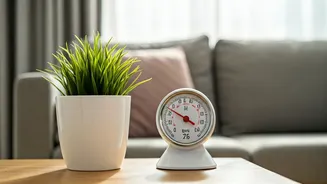
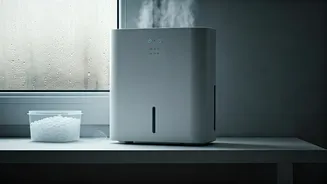
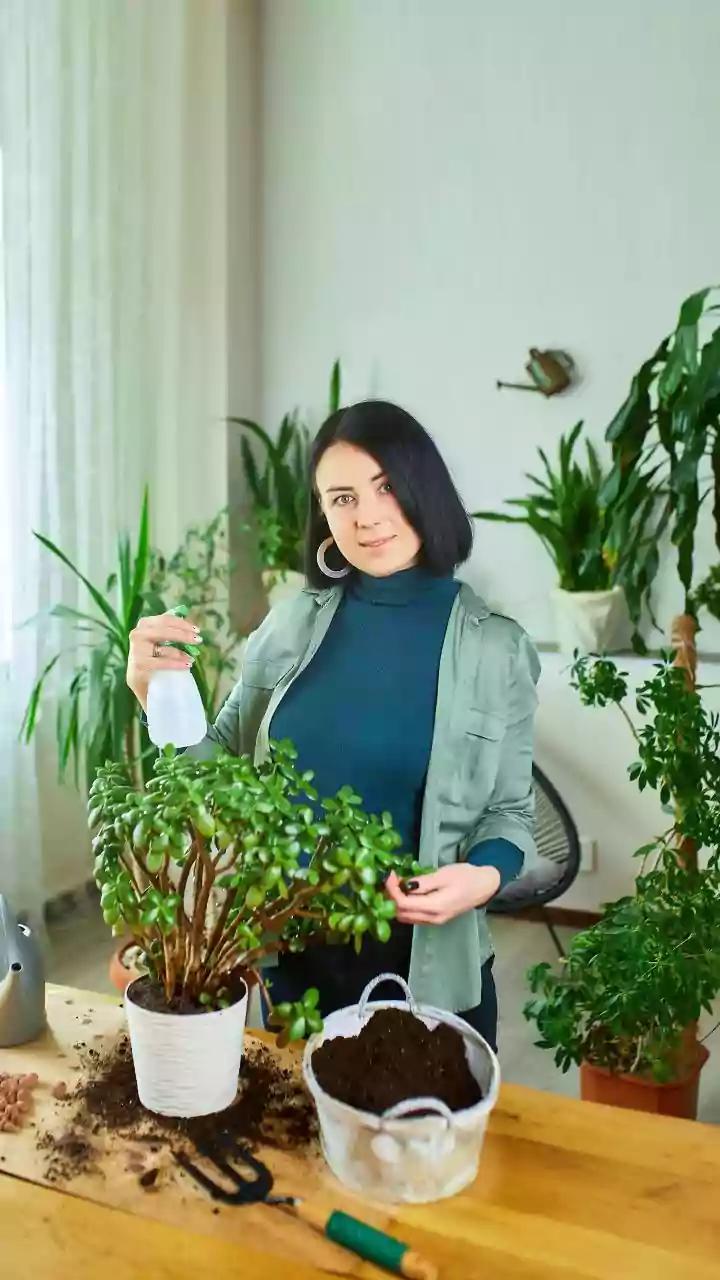
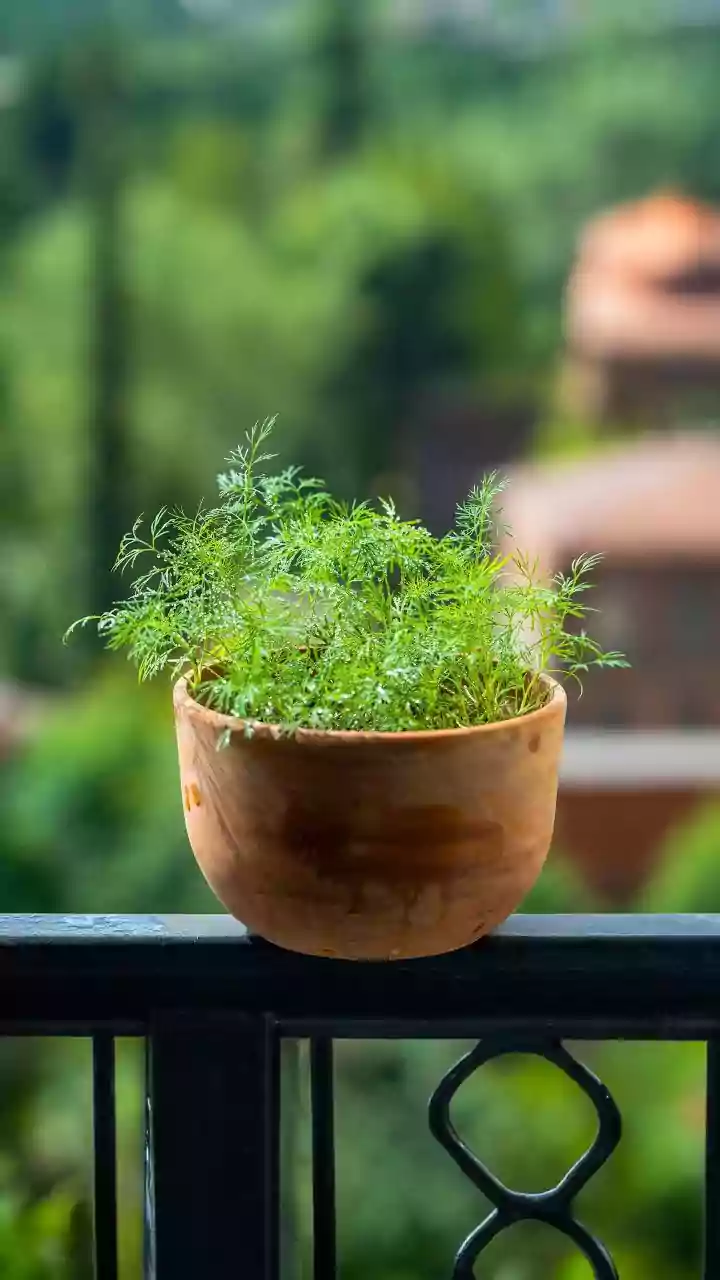
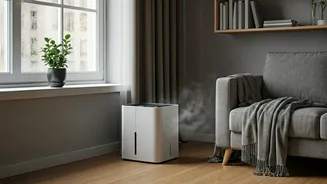
You don't always need an expensive appliance to absorb moisture. Several common household items work as excellent natural dehumidifiers. Place bowls of rock salt or charcoal briquettes in damp corners, wardrobes, or basements; they are hygroscopic, meaning they naturally draw moisture from the air. Baking soda is another great option for smaller, enclosed spaces like cabinets and shoe racks. For a more decorative touch, consider houseplants like peace lilies, spider plants, or Boston ferns, which absorb humidity through their leaves while also purifying the air.
Manage Kitchen and Bathroom Steam
Kitchens and bathrooms are major sources of indoor humidity. The steam from cooking and hot showers can quickly raise moisture levels throughout the house. Always use an exhaust fan when cooking or bathing to vent the steam outside immediately. If you don't have an exhaust fan, opening a nearby window will help. Wiping down wet tiles, countertops, and shower screens after use also prevents that moisture from evaporating back into the air.
Be Smart About Laundry
Drying wet clothes indoors can release a significant amount of moisture into the air, creating a perfect environment for mould. The best option is always to dry laundry outdoors or on a well-ventilated balcony. If you must dry clothes inside, choose a single, well-ventilated room and open a window or use a fan to aid air circulation. Avoid draping wet items over furniture or radiators in unventilated spaces, as this traps moisture and can damage both your belongings and your home.
Arrange Furniture Strategically
Poor airflow behind large pieces of furniture creates damp, dark pockets where mould loves to grow. To prevent this, try to keep furniture, such as wardrobes and sofas, a few inches away from the walls. This small gap allows air to circulate, keeping the wall surface dry and preventing moisture buildup. Regularly check behind and under furniture and large appliances for any signs of dampness or mould, especially on external walls.
Inspect and Repair Leaks Promptly
Often, persistent dampness is a symptom of a bigger problem, like a leak. Regularly inspect your home for any signs of water intrusion. Check for cracks in external walls, gaps around window frames, and faulty roof tiles. Don't forget to look for slow leaks from internal plumbing under sinks and behind toilets. Sealing cracks and fixing leaks as soon as you find them is crucial, as this stops moisture at its source and prevents long-term structural damage.