



The Hidden Enemy Below
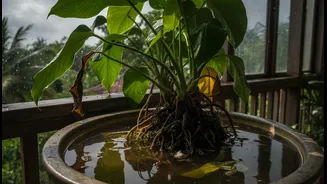
Root rot is a disease that causes a plant's root system to decay. While overwatering is a major trigger, the direct cause is often soil-borne fungi or bacteria that flourish in waterlogged conditions. When soil stays too wet for too long, air pockets
disappear, depriving roots of the oxygen they need to survive. This creates the perfect breeding ground for pathogens that attack and break down the vulnerable roots. Once the root system is compromised, it can no longer absorb water and nutrients, leading to a rapid decline in the plant's health. This problem is especially common in container gardening, where drainage is entirely dependent on the pot's design.
Decoding the Distress Signals
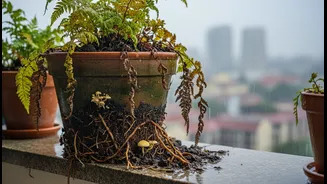
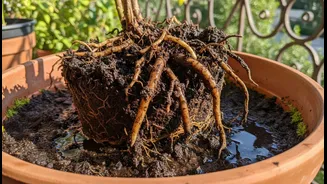
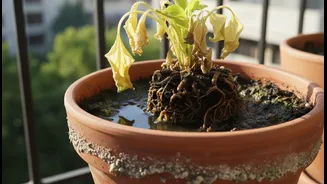
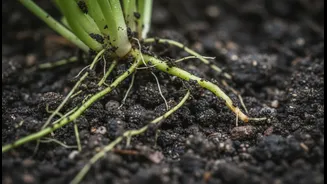
The tricky part about root rot is that its initial symptoms can be misleading. A plant with rotting roots might look thirsty, with wilting, yellowing leaves. This can prompt a well-meaning gardener to water it even more, worsening the problem. Key signs to watch for include yellowing lower leaves, stunted growth, and a plant that wilts even when the soil is moist. If you notice these symptoms, it's time to investigate further. A foul, musty, or sour smell from the soil is a strong indicator of decay. To confirm, you must gently remove the plant from its pot and inspect the roots. Healthy roots are typically firm and white or light tan. Rotted roots will be brown or black, soft, mushy, and may easily fall apart when touched.
The Drainage Dilemma
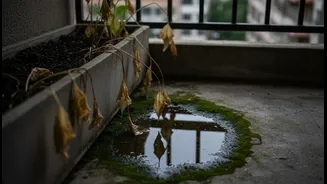
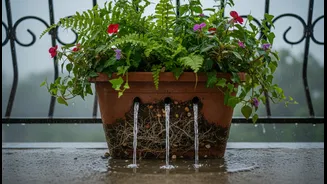
Proper drainage is the single most important factor in preventing root rot in balcony gardens. Every pot must have drainage holes to allow excess water to escape. However, these holes can easily become blocked. Over time, soil can compact at the bottom of the pot, or fine roots can grow into a dense mat, obstructing the exit. Sometimes, placing a pot directly on a flat saucer or surface can create a seal that prevents water from draining freely. It's a simple mechanical failure with serious consequences. Regularly checking that water flows freely from your pots after watering is a crucial maintenance step. You can also place a piece of mesh or a coffee filter over the hole inside the pot to stop soil from washing out and creating a blockage.
Your Prevention Checklist
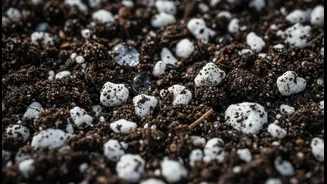
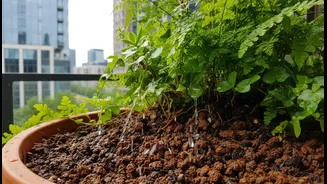
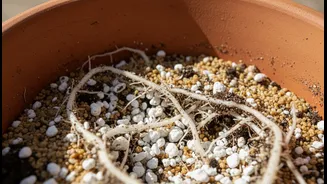
Prevention is always easier than a cure. First, choose your pots wisely; always opt for containers with multiple drainage holes. Using pot feet or risers can elevate your containers, ensuring air can circulate underneath and water can escape. Second, use the right soil. Avoid heavy garden soil, which retains too much water. Instead, use a high-quality potting mix designed for containers, often amended with materials like perlite or bark chips to improve aeration and drainage. Third, master your watering technique. Before watering, stick your finger an inch or two into the soil. If it feels damp, wait another day. When you do water, do so thoroughly until it runs out the bottom, but never let the pot sit in a saucer full of water.
Emergency Plant Rescue
If you've confirmed root rot, you must act fast to save your plant. Gently remove the plant from its container and wash the soil from the roots to get a clear view. Using clean, sharp scissors or pruners, carefully trim away all the brown, mushy, and smelly roots. Be thorough, as leaving any diseased tissue behind can allow the rot to return. If you have to remove a significant portion of the roots, it's a good idea to prune back about a third of the plant's foliage as well. This reduces the stress on the remaining roots, as they have fewer leaves to support. Finally, repot the plant in a clean pot with fresh, well-draining potting mix. Do not reuse the old soil, as it may contain fungal spores. Wait a few days before watering to allow the cut roots to heal.