



The New Battleground for Quick Commerce
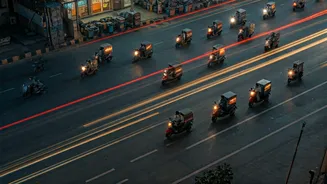
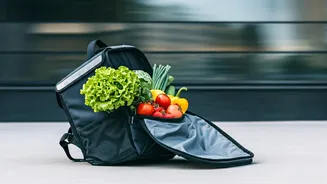
The convenience of getting groceries, essentials, or even electronics delivered in minutes is no longer exclusive to metros like Mumbai and Delhi. [4] Major quick commerce players, including Flipkart Minutes, Amazon Now, Blinkit, and Swiggy Instamart,
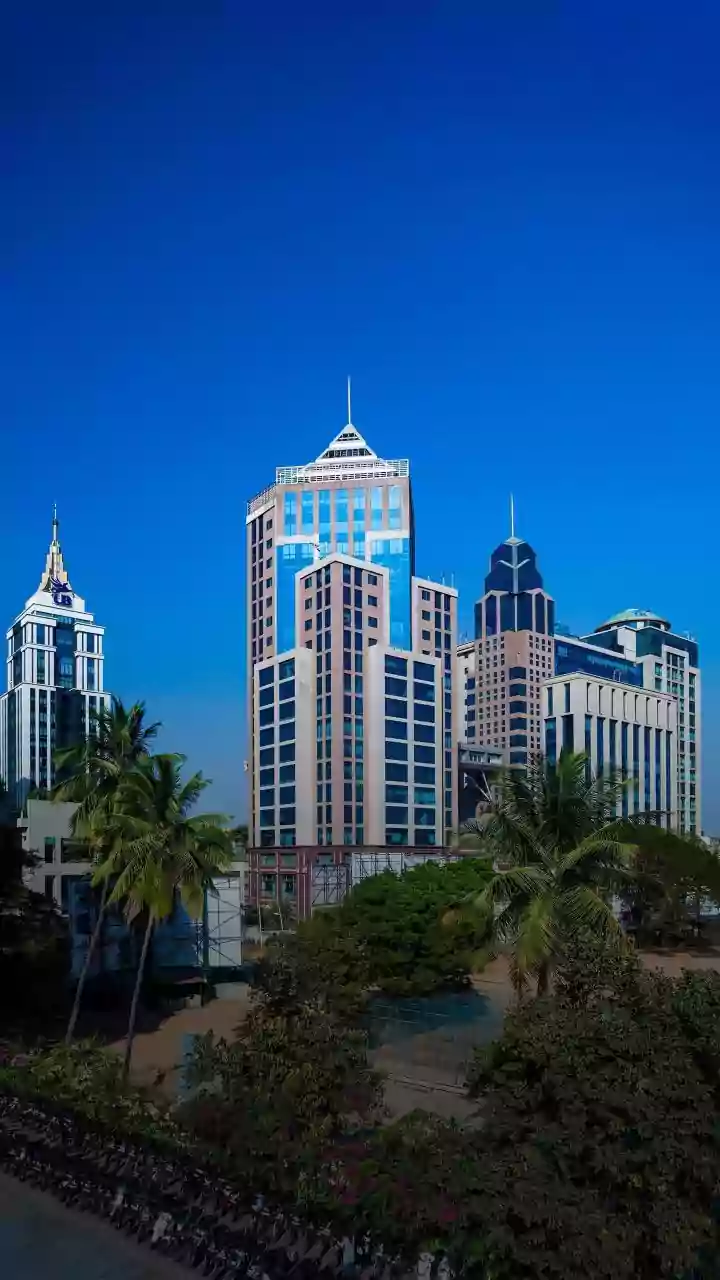
are aggressively expanding their networks into Tier-2 and Tier-3 cities. [4, 11] For instance, Flipkart Minutes has expanded to 1,000 fulfillment centers across 130 cities, with 90 of them being in smaller markets like Ambala, Bokaro, and Jorhat. [11, 19] Similarly, Amazon has announced ambitious plans to expand its 'Amazon Now' service to over 300 cities, aiming for the widest geographic footprint in the country. [17] This strategic push signifies that the next phase of growth for Indian e-commerce is unfolding in the nation's heartland. [11]
Why the Sudden Rush Beyond Metros?
The expansion is driven by a simple reality: metro markets are becoming saturated. [4] While highly successful, the intense competition in Tier-1 cities has pushed companies to find new growth avenues. [4] India's smaller cities represent a massive, untapped consumer base with rising incomes and aspirations. [4] With widespread smartphone use and high UPI adoption, these markets are digitally ready for the convenience of quick commerce. [4] E-commerce has already familiarized users with online shopping; the next step is providing the hyperlocal, instant fulfillment that has been missing. [4, 5] Companies have found that while metro users often order on impulse, consumers in smaller cities tend to build larger baskets, presenting a different but equally valuable opportunity. [8, 12]
The Engine: Dark Stores and Advanced Tech
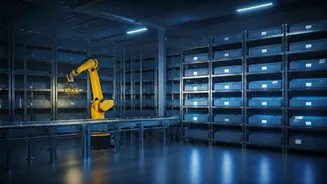
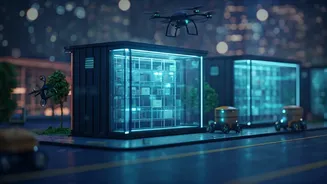
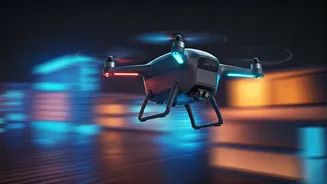
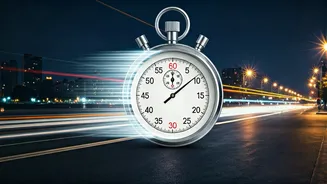
This rapid expansion is powered by a sophisticated network of 'dark stores'—small, hyperlocal warehouses strategically placed to serve specific pin codes. [9, 13] Blinkit leads the pack with over 2,200 dark stores, while Swiggy Instamart and Zepto each operate over 1,100. [8] These micro-fulfillment centers are the backbone of the 10-to-30-minute delivery promise. [3, 9] Behind the scenes, AI-powered logistics, automated route optimization, and real-time tracking are crucial for managing the complexity. [2, 3] This technological infrastructure allows companies to streamline operations, reduce delivery times, and manage inventory efficiently, making the quick commerce model viable at scale. [10]
More Than Just Groceries
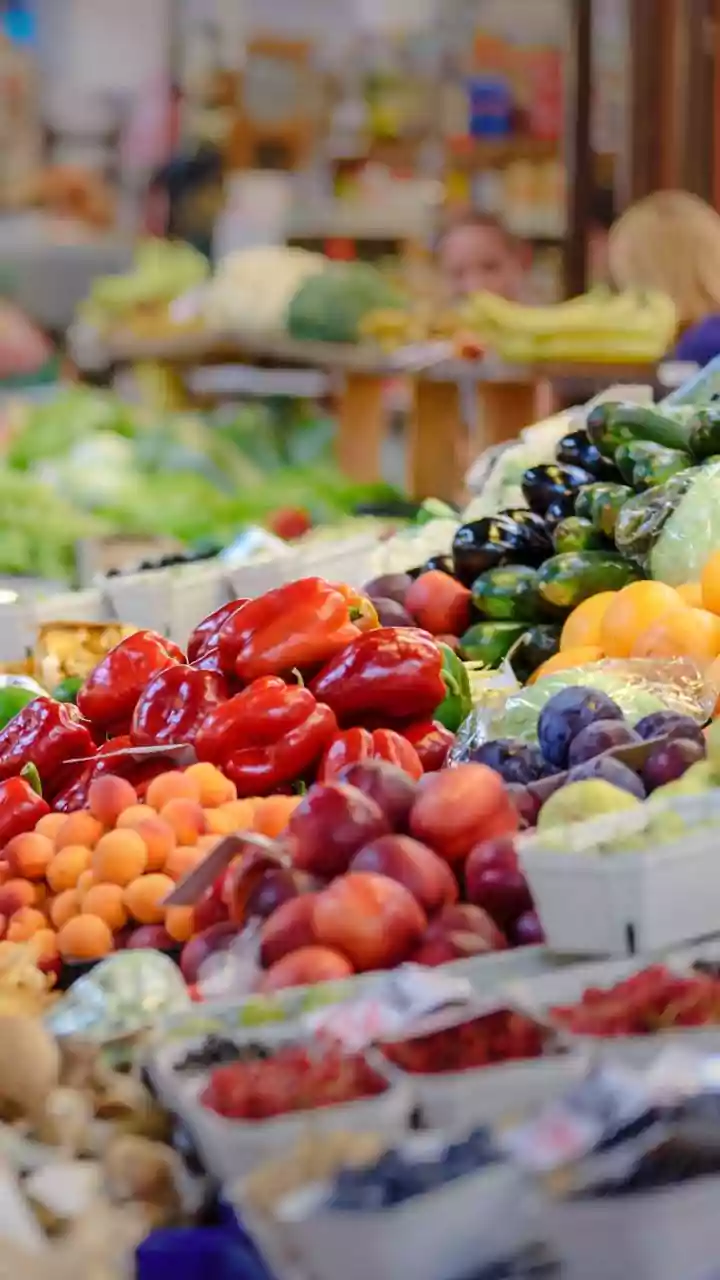
The model is evolving far beyond just delivering daily essentials. Quick commerce platforms are now a channel for everything from electronics and beauty products to fashion and wellness items. [4, 11] In many Tier-2 and Tier-3 cities, where access to a wide variety of products can be inconsistent, these platforms are becoming a crucial lifeline for consumers. [4] This diversification is also changing consumer habits. For example, FMCG companies have noted a significant increase in the sale of larger 'value packs' through quick commerce in smaller towns, a shift from the typical small-pack purchases at local kirana stores. [20] This shows that platforms are not just fulfilling demand, but actively shaping it.
The Road Ahead Is Not Without Hurdles
Despite the explosive growth, the path is challenging. The economics of quick delivery remain difficult, with high operational costs for warehousing and last-mile delivery. [8, 13] Expanding into less-dense smaller towns presents its own set of logistical puzzles, as the 'copy-paste' metro model doesn't always work. [14] Success will depend on customizing product assortments to local tastes, optimizing for smaller dark stores, and potentially partnering with local retailers. [14] Maintaining service quality and achieving profitability while scaling rapidly is the core conundrum that all players are trying to solve. [13, 18]