



Amid a sea of minimalist, globally uniform interiors, a distinct movement is taking root in India. Homeowners are increasingly turning away from mass-produced decor, looking instead to the nation's rich tapestry of heritage crafts.
A Rebellion Against the Generic
For years, modern interior
design meant clean lines, neutral palettes, and furniture that could belong anywhere in the world. Today, there's a growing desire for authenticity and personal expression. Homeowners are seeking spaces that tell a story, moving away from cookie-cutter catalogue designs towards something more meaningful and unique. This has sparked a renewed appreciation for handcrafted items, which carry the artist's touch and a sense of history that machine-made products lack. The 'Modern-Heritage' style, as it's being called, is about creating a home that feels collected and personal rather than just decorated.
Connecting with Cultural Roots
This trend is more than just an aesthetic choice; it's a way of connecting with cultural identity. In a globalised world, incorporating elements of Indian heritage into a contemporary home provides a tangible link to the past and a strong sense of place. Crafts like Madhubani from Bihar, Kalamkari from Andhra Pradesh, or intricate Chettinad wood carvings are not just decorative; they are storytellers of mythologies, rituals, and regional identities. By featuring these pieces, homeowners are making a statement that their identity is a seamless blend of modern sensibilities and deep-rooted traditions.
The Sustainable and Ethical Choice
A powerful driver behind this movement is the increasing consciousness around sustainability. Heritage crafts are inherently eco-friendly, often utilizing natural and locally sourced materials like wood, clay, stone, bamboo, and jute. Production methods are typically low-energy, and the focus on quality ensures a longer product lifespan. Choosing handcrafted items is a vote for 'slow design', which stands in direct opposition to the throwaway culture of fast furniture. Furthermore, it supports artisan communities, preserves generational skills, and ensures the survival of livelihoods that are otherwise at risk of disappearing.
Modern Interpretations, Not Museum Pieces
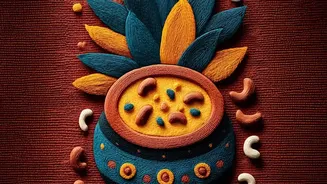
The key to this trend's success is its modern application. It's not about recreating a traditional home, but about integrating heritage elements into a contemporary layout. Designers are reimagining crafts for today's lifestyles. A single, sculptural Dhokra metal craft piece might become a statement accent on a minimalist console. Hand-block printed fabrics like Ajrakh or Ikat are used for cushions or a single accent wall, adding a pop of colour and pattern to a neutral room. Woven tapestries and cane vessels are being appreciated as structural art, proving that tradition does not have to be copied literally to remain relevant. The idea is to create a dialogue between the old and the new, where the contrast itself brings character and warmth to the space.
Spotlight on Timeless Crafts
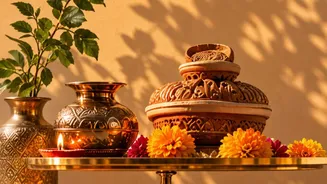
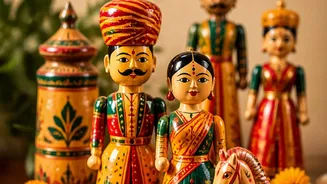
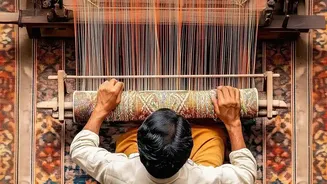
A wide array of crafts are finding new life in modern interiors. Intricately carved wooden panels, jali screens, and antique-inspired furniture bring architectural depth. Metalwork, especially brass accents, adds warmth and a touch of luxury. Terracotta in its various forms, from tiles to pottery, lends an earthy, rustic vibe. Textiles are perhaps the easiest way to participate, with everything from Banarasi brocades to Kalamkari paintings being framed as wall art. Even crafts like Channapatna woodwork and sitalpati weaving are being adapted from their traditional forms into contemporary lamps, trays, and other home objects.