




The Search for a Lost Connection
Rapid urbanisation across India has come with a side effect that is only now being fully appreciated: light pollution. Major cities like Delhi, Mumbai, and Bengaluru are now enveloped in a constant 'skyglow' that obscures our view of the cosmos. Studies
show that this excessive artificial light not only wastes energy and impacts wildlife but also disrupts human health, affecting sleep cycles and increasing stress. In response, a growing number of Indian travellers are seeking more than just a change of scenery. They are looking for meaningful experiences, a chance to disconnect from digital-heavy lives, and a way to reconnect with the natural world. This has given rise to astrotourism, or dark-sky travel, a trend where the main attraction is the night sky itself.
What Exactly is Astrotourism?
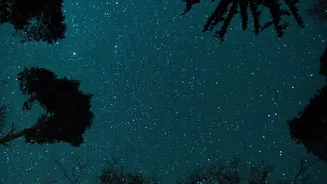
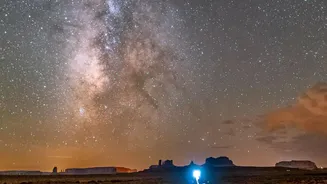
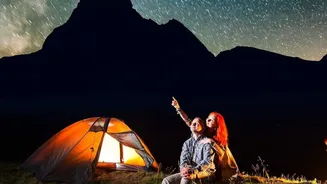
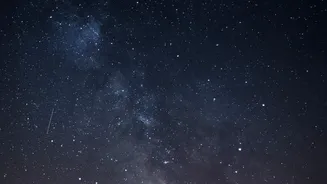
Astrotourism is travel designed around experiencing the night sky in its most pristine state. It involves visiting remote locations intentionally protected from artificial light pollution. It’s more than just a passive activity; it’s an immersive experience that can include guided stargazing sessions, astrophotography workshops, and learning to identify constellations, planets, and even distant galaxies. For many, seeing the Milky Way arch across the sky for the first time is a profound, almost spiritual moment. The trend is driven by a desire for slower, more mindful travel that offers a sense of awe and perspective—a powerful antidote to our fast-paced urban existence.
India’s Premier Stargazing Hotspots
India’s diverse geography offers a spectacular array of dark-sky destinations. The undisputed crown jewel is Hanle in Ladakh, home to India’s first official Dark Sky Reserve. Situated at a high altitude with incredibly dry, clear air, Hanle offers some of the best stargazing conditions on Earth. Visitor numbers to the remote village have surged since its designation, with the local community benefiting from training as 'Astronomy Ambassadors' to guide tourists. Other prime locations include the starkly beautiful Spiti Valley in Himachal Pradesh, the vast Rann of Kutch in Gujarat where the white salt desert creates a surreal 360-degree celestial view, and quieter spots in Coorg and the Andaman Islands for a gentler, more tropical stargazing experience.
More Than Just a Celestial View
The appeal of dark-sky travel extends beyond the stunning visuals. Research and anecdotal evidence point to significant wellness benefits. Being under a vast, dark sky fosters a sense of awe that can reduce stress and improve overall well-being. It encourages mindfulness and provides a powerful sense of connection to the universe and our own history. For families, it’s an opportunity to create lasting memories and offer children an educational experience that can’t be replicated in a classroom. Economically, astrotourism creates sustainable opportunities for local communities in remote areas, providing jobs and a strong incentive to protect the natural environment from light pollution.
Planning Your Galactic Getaway
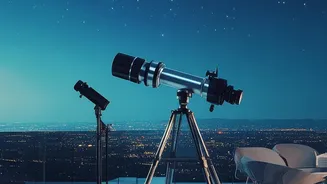
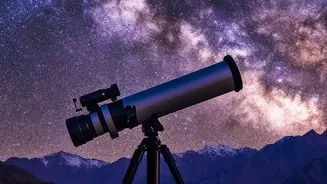
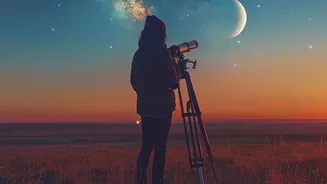
Ready to trade city lights for starlight? Planning is key. The best time for stargazing in Himalayan regions like Ladakh and Spiti is from May to October. For desert locations such as the Rann of Kutch or Jaisalmer, the cooler, clearer months between October and February are ideal. Always try to schedule your trip around a new moon for the darkest skies possible. Pack warm layers, as even desert nights can get cold. While a good pair of binoculars is a great start, you don’t need your own telescope. Many astrotourism operators and dedicated resorts, like Astroport Sariska, provide professional equipment and expert guidance. Booking with these specialists ensures a safe and enriching experience while supporting responsible tourism.