







The Unseen Enemy in Your Home
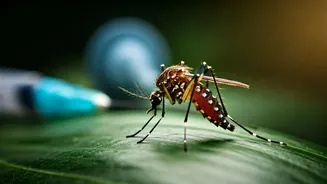
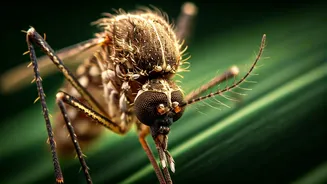
Dengue, often called 'breakbone fever' for the severe muscle and joint pain it causes, is a viral infection transmitted by the Aedes aegypti mosquito. This isn't your average nighttime nuisance; the Aedes mosquito is a daytime biter, most active in the early
morning and late afternoon. The real danger lies in its breeding habits. It doesn’t need a swamp or a pond; the smallest amount of clean, stagnant water—in a flower pot saucer, a discarded tyre, or even a bottle cap—is enough for it to lay eggs. While many people experience mild, flu-like symptoms, dengue can progress to a severe, life-threatening stage, marked by a dangerous drop in blood platelets and internal bleeding. With factors like unplanned urbanisation and changing climate patterns expanding mosquito habitats, what was once a seasonal threat is becoming a year-round concern across India.
Your First Line of Defence: The Classics Still Work
The most effective battle against dengue starts at home, and the old rules are still the best. The primary mission is to eliminate stagnant water. Once a week, conduct a thorough check of your home and surroundings. Empty and scrub water coolers, clean out flower pot trays, and cover all water storage containers like buckets and tanks. Don't forget less obvious spots like refrigerator drip trays, pet water bowls, and ornamental fountains. Secondly, create physical barriers. Install screens on windows and doors to keep mosquitoes out. When possible, especially during peak biting hours, wear long-sleeved shirts and long pants. For young children and the elderly, using a mosquito net during daytime naps provides an extra layer of crucial protection. Finally, use government-approved mosquito repellents on exposed skin. These simple, consistent actions drastically reduce the chances of mosquitoes breeding in and around your living space.
Beyond Your Four Walls: Community Action
Individual efforts are vital, but dengue prevention is truly a community sport. Local municipal bodies often conduct fogging operations to kill adult mosquitoes, but this is a temporary fix and cannot replace source reduction. The real power lies in collective action. Resident Welfare Associations (RWAs) can play a massive role by organising regular cleanliness drives, ensuring common areas are free of debris where water can collect, and educating residents. The theme for National Dengue Day 2026, 'Community Participation for Dengue Control', underscores this very point. Encouraging your neighbours to also follow prevention steps creates a neighbourhood-wide shield. As Union Health Minister J.P. Nadda recently highlighted during a preparedness review, public participation is a cornerstone of India's strategy against vector-borne diseases.
The Digital Infodemic: Dengue in the Age of Content
The phrase 'Bharat Content' perfectly captures the modern reality: health information now spreads rapidly through WhatsApp, Instagram, and YouTube. Brands and media houses are launching large-scale awareness campaigns like 'Saath Ladenge Dengue Se' to disseminate expert advice through podcasts, influencer collaborations, and short videos. This has immense potential for good, reaching people with life-saving tips in an engaging format. However, it also opens the door to a flood of misinformation. Unverified home remedies and false claims about 'miracle cures' can do more harm than good, often leading people to delay seeking proper medical care. It is crucial to be a discerning consumer of this content. Trust information only from official sources like the Ministry of Health and Family Welfare, the World Health Organization (WHO), and established medical institutions. Be wary of forwarded messages that promise quick fixes without scientific backing.
Recognising the Warning Signs
One of the most dangerous mistakes is dismissing a fever as 'just viral'. Early dengue symptoms often mimic the flu: a sudden high fever (104°F or 40°C), severe headache, pain behind the eyes, muscle and joint pain, nausea, and a rash. If you experience these, it is important to consult a doctor. The most critical period often begins after the fever subsides. Warning signs of severe dengue include intense stomach pain, persistent vomiting, bleeding from the gums or nose, fatigue, and restlessness. If any of these appear, it is a medical emergency requiring immediate hospitalisation. Never self-medicate with painkillers like aspirin or ibuprofen for a suspected case of dengue, as they can increase the risk of bleeding. Timely medical intervention is key to managing the disease and preventing severe complications.