









The Old Playbook Is Obsolete
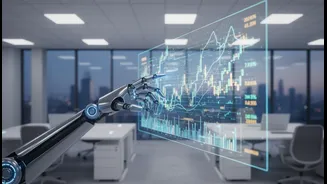
The world of finance is undergoing a seismic shift, and artificial intelligence is the epicentre. Core tasks that once consumed the bulk of a junior analyst's time—like manually building financial models, tinkering with spreadsheets, and preparing slide
decks—are rapidly being automated. AI tools can now process vast amounts of data, predict trends, and generate reports in seconds. As a result, the skills that defined the last generation of finance professionals are becoming less valuable on their own. Recruiters from top firms like Goldman Sachs have noted a change, indicating they are now probing for a candidate's analytical thinking and ability to interpret what AI produces, rather than just their ability to perform rote tasks. This disruption means that relying solely on a traditional finance degree is a risky strategy for today's students.
The New 'Must-Have' Tech Toolkit
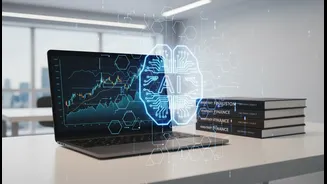
To stay competitive, finance students are now expected to have a hybrid skillset that blends financial acumen with tech proficiency. The demand for data literacy is paramount. This includes a strong command of programming languages like Python, which is used for everything from automating financial models to building trading algorithms and analysing large datasets. Alongside Python, expertise in database query language SQL, and data visualization tools like Power BI and Tableau are becoming standard requirements. The goal isn't necessarily to turn finance majors into full-fledged software developers, but to equip them with the tools to work with data, understand AI-generated insights, question model limitations, and ultimately make smarter, data-driven business decisions. Job postings increasingly reflect this reality, seeking candidates who fuse technical expertise with a solid grasp of finance and accounting operations.
Beyond the Traditional Classroom
Recognising the gap in traditional curricula, students are proactively seeking skills elsewhere. A thriving ecosystem of online courses, professional certifications, and intensive bootcamps has emerged to meet this demand. Platforms like Coursera and edX offer specialised certificates in areas like 'AI for Finance' and 'Financial Data Science', often in partnership with top universities and companies. Legacy finance certifications are also adapting. The Chartered Financial Analyst (CFA) and Financial Risk Manager (FRM) programs remain highly respected, but their relevance is now amplified when combined with AI and data skills. Practical, hands-on training in financial modeling and valuation is seen as a must-have to bridge the gap between theory and real-world application in an AI-driven environment.
Universities Race to Adapt
Leading business schools are not standing still. Many are in a frantic race to overhaul curricula that have remained static for years. Institutions like Wharton, Stanford GSB, and Harvard Business School are embedding AI directly into core MBA courses, moving it from a niche elective to a fundamental skill. Universities are launching new concentrations, majors, and even entire colleges dedicated to AI, computing, and data science. These new programs focus on practical application, using AI-powered simulations and real-world case studies. The curriculum often blends quantitative analysis with coursework on the ethics, governance, and behavioural aspects of AI, preparing students not just to use the technology, but to lead responsibly in an AI-integrated world.
What Employers Want Now
The message from employers is clear: they need graduates who can work with AI, not compete with it. While technical skills get you in the door, the human element has become more critical than ever. As AI handles routine analytical tasks, employers are placing a higher value on soft skills like critical thinking, communication, collaboration, and creativity. The ideal candidate is no longer someone who can just crunch the numbers, but someone who can interpret the output of an AI model, ask the right questions, identify its limitations, and communicate a compelling story to stakeholders. The finance professional of the future is a strategic thinker who uses AI as a lever to provide faster, clearer, and more impactful insights, combining the speed of the machine with the irreplaceable judgment of a human expert.