


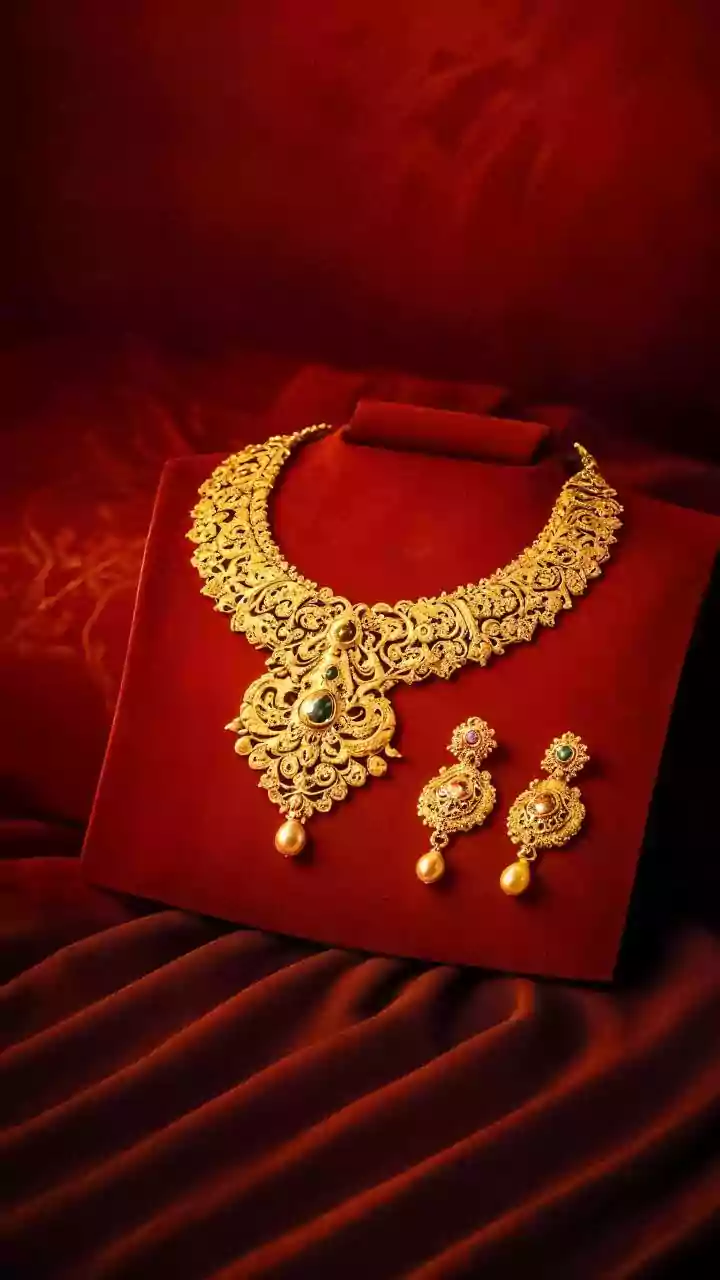



In many Indian households, the quiet click of a jewellery box opening is a sound that precedes storytelling. Inside are not just ornaments, but chapters of a family's history, holding memories of weddings, births, and festivals past.
A Tangible Link to the Past
For generations, gold
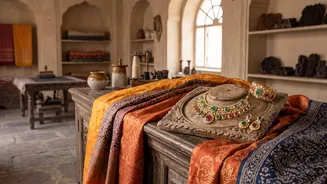
has been a cornerstone of Indian culture, symbolizing wealth, security, and auspiciousness. It is often gifted at significant life events, from a baby's naming ceremony to a wedding, embedding each piece with personal and collective memory. These heirlooms become a physical connection to ancestors, allowing a granddaughter to wear the same earrings her great-grandmother wore, feeling a direct link to a past she never witnessed. The jewellery's value transcends its material worth; it becomes a vessel for family legacy, passed from one generation to the next. Each piece carries stories of resilience, love, and celebration, transforming precious metal into an emotional archive.
The Currency of Conversation
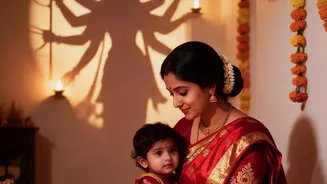
The true bonding happens not just in the act of inheritance, but in the discussions that surround it. When a grandmother pulls out a heavy gold 'haar' or a set of 'khandani' bangles, she is not just presenting an asset; she is opening a dialogue. These moments are when family history is orally passed down. Stories of the artisan who crafted the piece, the wedding at which it was first worn, or the financial struggles it represents become vivid narratives. For the younger generation, these conversations are a window into their family’s identity and values. They learn about their heritage, the sacrifices made by their elders, and the traditions that have shaped their family. It is through these exchanges that the jewellery acquires its deepest meaning.
Bridging Shifting Perspectives
The relationship with gold is evolving. While older generations often view gold as a primary symbol of security and tradition, younger Indians have a more multifaceted perspective. Millennials and Gen Z appreciate the sentimental value, but also see gold through the lens of modern aesthetics and financial strategy. They might be drawn to minimalist designs for daily wear or consider exchanging older, heavier pieces for more contemporary styles that reflect their individuality. Some are also increasingly treating inherited gold as a liquid asset to fund education, start a business, or diversify their investments. These differing views could create a disconnect, but instead, the conversation around family gold becomes a space for negotiation and understanding, blending tradition with modernity.
Reimagining Tradition for the Future
The tradition of passing down gold is not fading; it's being reinvented. Young people are finding new ways to honour their heritage while making it their own. Some choose to remodel an old piece, preserving the original gold and its sentimental value while updating the design to suit their personal style. This act of creative reinvention is in itself a form of bonding, often involving discussions with parents and grandparents about how to best carry the legacy forward. Others are more interested in the stories than the physical objects, using platforms to digitally archive the history of their family heirlooms. This ensures that even if the piece is eventually sold or changed, its story—the true wealth—is preserved for future generations. This evolution shows that gold's role in the family is becoming less about adherence to tradition and more about a personal connection to one's roots.