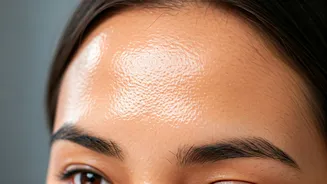









Rethink Your Skincare for Humidity
High humidity can make your skin feel oily and sticky, leading to clogged pores and breakouts. This is the time to switch from heavy creams to lightweight, gel-based products. A gentle, foaming cleanser used twice daily will help remove excess oil and grime
without stripping your skin's natural barrier. Exfoliating once or twice a week is also key to preventing dead skin cell buildup. And don't be fooled by the cloudy skies; harmful UV rays can still penetrate, making a broad-spectrum, non-greasy sunscreen a non-negotiable part of your morning routine. Look for products with ingredients like hyaluronic acid for hydration, and niacinamide to help regulate oil production.
Tame Monsoon Hair Frizz
Humidity is the main culprit behind monsoon frizz, causing hair to swell and become unmanageable. Your first line of defence is switching to an anti-frizz or sulphate-free shampoo and a lightweight conditioner. It's crucial not to skip conditioner, as well-moisturised hair is less prone to frizz. Avoid tying up wet hair, as this weakens the strands and can lead to breakage and scalp issues. Instead, gently pat it dry with a microfibre towel. A leave-in conditioner or serum can create a protective barrier against humidity. For a trusted home remedy, a weekly hair mask made from curd can help smooth the hair cuticle naturally.
Adapt Your Diet and Boost Immunity
The monsoon season can weaken our digestive system and make us more susceptible to infections. It is advisable to avoid heavy, oily, and street food, which can cause indigestion and stomach issues. Instead, opt for light, home-cooked meals like soups and steamed vegetables. Incorporate immunity-boosting ingredients like ginger, garlic, and turmeric into your cooking. While leafy greens are generally healthy, they are more prone to germs during this season, so be sure to wash them thoroughly and cook them well. It’s also wise to stick to seasonal fruits like apples, pomegranates, and pears, and to always drink boiled or filtered water to avoid waterborne diseases.
Monsoon-Proof Your Living Space
Dampness and mould are common household problems during the rains. Ensure your home has good ventilation by opening windows and doors for a while on dry days to allow fresh air to circulate. Check for and seal any cracks in walls or around windows to prevent water seepage. In damp areas like bathrooms and kitchens, using an exhaust fan can help reduce moisture. To protect clothes and other items in wardrobes from getting musty, consider using moisture absorbers like silica gel packets or placing bowls of rock salt. It's also a good idea to pack away expensive rugs, which can absorb moisture and take a long time to dry.
Prioritise Your Mental Wellness
The grey, overcast skies and reduced sunlight can sometimes lead to a low mood, often called the 'monsoon blues'. It's important to be mindful of your mental health during this time. Staying active with indoor exercises like yoga or home workouts can significantly boost your mood. Even when you can't go outside, you can connect with nature by bringing some indoor plants into your home. Maintaining social connections, even virtually, can combat feelings of isolation. Practices like meditation, journaling, or even using aromatherapy with uplifting essential oils can help create a sense of calm and balance.