





What is a 'Climate-Proof' Vacation?
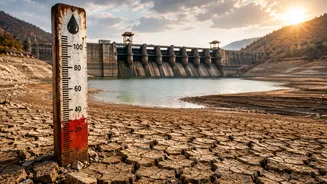
For generations of Indian travellers, the monsoon has been a destination in itself—think misty hills in Lonavala or lush backwaters in Kerala. But as climate change intensifies weather patterns, the romantic drizzle has often been replaced by dangerous
deluges, landslides, and travel chaos. This uncertainty is fuelling a new travel trend: seeking out 'rain-safe' or 'climate-proof' destinations. These are places that, due to their geography or resilient infrastructure, remain accessible and enjoyable during India's peak monsoon months. It's less about avoiding rain entirely and more about choosing locations where your plans won't be washed away. This conscious choice is becoming a 'green flex'—a subtle nod to your awareness of our planet's changing realities and a smarter way to explore.
Ladakh: The High-Altitude Desert
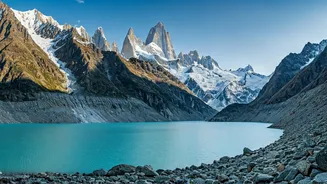
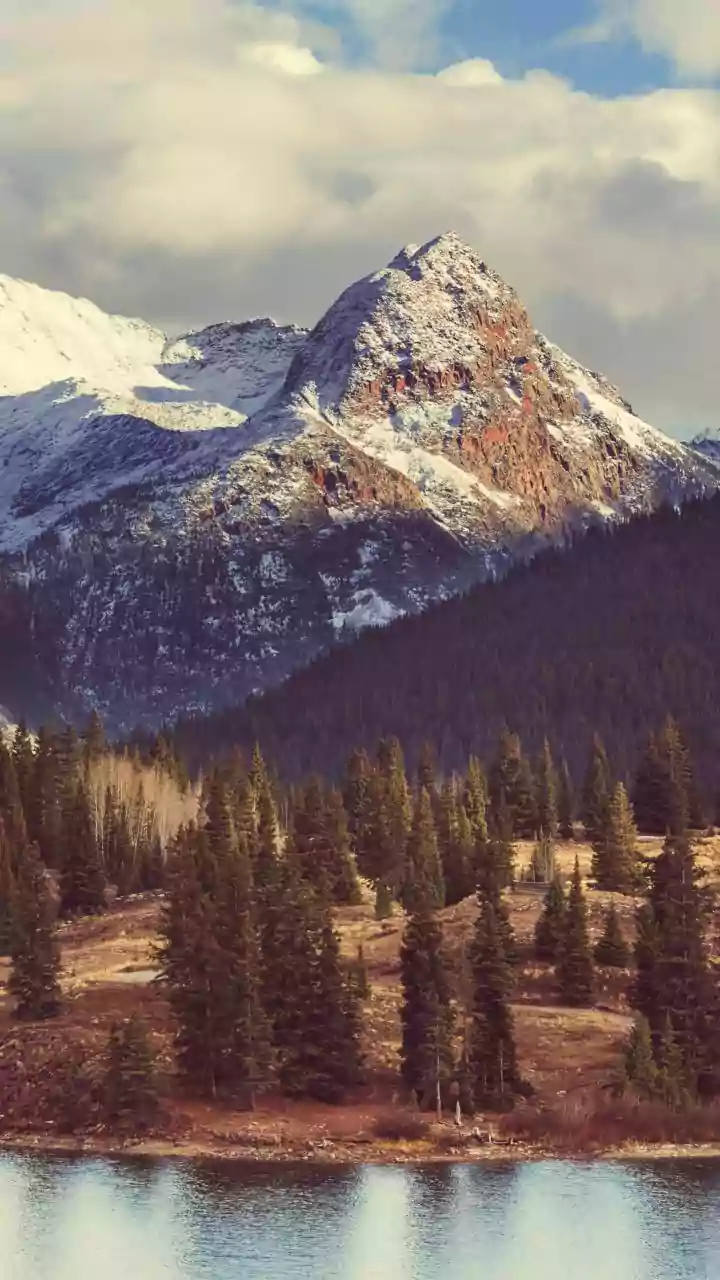
When most of India is drenched, Ladakh remains a sun-drenched sanctuary. Tucked away in the Himalayan rain-shadow, this high-altitude desert receives minimal rainfall, making June to September the absolute best time to visit. The skies are a brilliant blue, the starkly beautiful mountains are fully accessible, and iconic landmarks like Pangong Tso and the Nubra Valley are at their most spectacular. Choosing Ladakh during monsoon season isn't just about escaping the rain; it's about experiencing a region in its prime season while alleviating tourist pressure on more ecologically fragile monsoon destinations. Driving on the world’s highest motorable roads under clear skies while the rest of the country navigates puddles is a flex of a different kind.
Spiti Valley: A World Within a World
Like its neighbour Ladakh, Himachal's Spiti Valley is a cold desert blissfully shielded from the monsoon's fury. Its raw, lunar-like landscapes, ancient monasteries perched on cliffs (like Key and Tabo), and charming villages offer an adventure that’s both spiritual and thrilling. The roads to Spiti are challenging, which is part of its appeal, but they are most reliably open during the summer and monsoon months. While other parts of Himachal Pradesh face the risk of landslides, Spiti’s arid climate provides a safe and surreal alternative. It's a destination for the traveller who wants to feel truly disconnected and immersed in nature's grandeur, without a rain cloud in sight.
The East Coast: Tamil Nadu & Puducherry
The southwest monsoon, which drenches the western coast and northern plains from June to September, largely bypasses the southeastern coast. States like Tamil Nadu and the union territory of Puducherry receive most of their rainfall during the retreating northeast monsoon, which occurs from October to December. This makes the region a fantastic, accessible, and often overlooked choice for a mid-year break. You can explore the ancient temples of Madurai and Thanjavur, wander through the charming French Quarter of Puducherry, or relax on the beaches near Chennai, all under relatively dry and pleasant skies. It offers a rich cultural experience far from the typical hill-station crowds.
Kutch: The White Desert's Other Side
Famous for the Rann Utsav in winter, Gujarat's Kutch region offers a different but equally compelling experience during the monsoon. The region is arid, so while there might be some rain, it's nothing like the downpours elsewhere. The monsoon turns the dry, cracked earth into a unique landscape where the salt desert meets marshy grasslands, attracting incredible birdlife, including flamingos. It’s a photographer’s dream and a nature lover’s paradise. Visiting during this 'off-season' means fewer crowds and a chance to see the ecosystem in a unique state of transformation. You can explore the rich craft villages of Bhujodi and Nirona and experience the stark beauty of the White Rann without the festival rush.
The 'Flex' Is About Smarter Travel
Ultimately, choosing a rain-safe destination is more than a practical decision to save your holiday. It’s a reflection of a modern, mindful traveller. By diverting tourism from over-strained ecosystems during their most vulnerable season, you contribute to a more sustainable travel model. It encourages the growth of tourism in regions that are in their prime season but may be less traditionally popular. It’s a 'flex' because it shows you’re planning with intelligence and foresight, adapting to the world as it is now. It's about being ahead of the curve, not just avoiding the clouds.