







Why Pruning During Monsoon Makes Sense
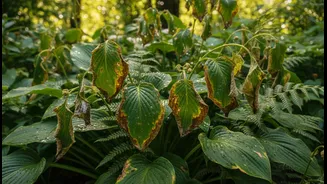
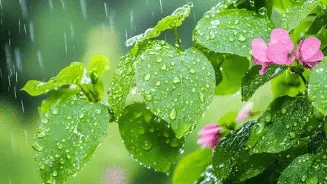
The long-held belief was that pruning in wet weather invites fungal diseases and rot. While the risk is real if done improperly, the benefits of careful monsoon pruning are significant. The high humidity and moisture actually help fresh cuts heal faster,
and the consistent rain provides the water needed to support a burst of new growth. Pruning overgrown plants during this season improves air circulation through dense foliage, which is one of the best defenses against the fungal issues that thrive in damp conditions. It also allows more light to reach the inner parts of the plant, promoting stronger, more balanced development and helping to manage the rapid, sometimes chaotic, growth spurred by the rains.
The Right Plants for a Rainy-Day Trim
Not every plant in your garden will welcome a monsoon haircut. The key is to focus on robust, fast-growing tropical and flowering plants that are in their active growth phase. Species like hibiscus, bougainvillea, jasmine, and many foliage plants respond exceptionally well. Pruning these encourages more blooms and helps maintain a desirable shape. However, you should avoid pruning succulents, cacti, and plants that are particularly susceptible to rot or fungal issues like certain types of roses. It's also wise to avoid any major or 'hard' pruning that cuts a plant back severely; this can cause significant stress when the soil is constantly saturated and unable to dry out. Light, selective trimming is the goal.
Your Monsoon Pruning Toolkit and Technique
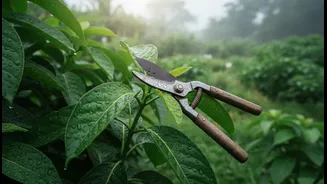
The single most important rule of monsoon pruning is to use impeccably clean and sharp tools. Dull blades crush stems, creating ragged wounds that are slow to heal and become entry points for disease. Before you begin, and between each plant, sterilize your secateurs or loppers with rubbing alcohol or a diluted disinfectant. When you make a cut, do so at a 45-degree angle. This allows rainwater to run off the surface rather than pooling on the flat cut, which can lead to decay. Focus on removing the three 'D's: dead, damaged, or diseased branches. Also, thin out areas where branches are crossing or crowding each other to boost that all-important airflow.
Common Mistakes to Avoid
The new acceptance of monsoon pruning comes with important caveats. The primary mistake is over-pruning. Never remove more than one-third of a plant's total foliage at once, as this can severely stress it. Another error is pruning during a heavy downpour; it's best to wait for a dry spell between showers to give the fresh cuts a chance to begin healing. Leaving the pruned debris on the ground is also a mistake, as decaying leaves and stems can harbor pests and diseases that will happily spread in the damp environment. Finally, don't forget to apply a natural fungicide, like neem oil or even a paste of turmeric, to larger cuts to provide a protective barrier against infection.