








The Unpredictable Shoreline
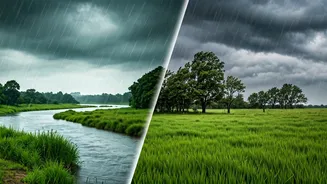
The dream of sun-drenched beaches is increasingly being washed away by reality. Climate change is making weather patterns more erratic. The monsoon, once a predictable season, is now characterized by intense, short bursts of rain that can cause flooding,
followed by long, dry spells. This unpredictability can throw a wrench in the best-laid vacation plans. Scientists have noted that rising sea surface temperatures are contributing to more frequent and intense cyclones, particularly along India's western coast, which was not traditionally as cyclone-prone. Beyond extreme events, rising sea levels pose a long-term threat, causing coastal erosion that shrinks the very beaches we love. A holiday booked months in advance could be met with a week of non-stop rain, dangerous sea conditions, or even washed-out infrastructure, turning a relaxing break into a stressful ordeal.
The Problem with Popularity
Even when the weather plays along, our most beloved coastal destinations are groaning under the pressure of their own popularity. Overtourism in places like Goa and parts of Kerala is a well-documented issue. The sheer volume of visitors during peak seasons leads to traffic jams, strained infrastructure like water and waste management, and overcrowded beaches where finding a quiet spot is next to impossible. This influx has environmental consequences, from litter on beaches and pollution in the water to damage to fragile ecosystems. For travellers, it can mean a diminished experience where the commercialised hustle overshadows the natural charm. Locals also feel the strain, with rising costs and a loss of cultural authenticity as their home turns into a crowded, seasonal marketplace.
Plan B: The Lush, Cool Hills
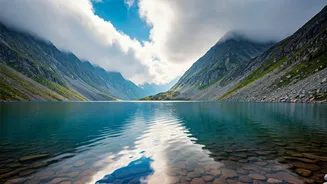
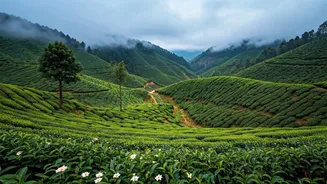
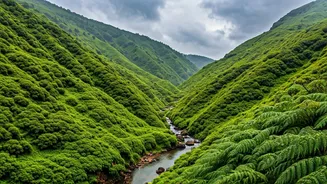
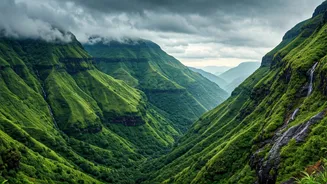
If the coast is becoming too chaotic, perhaps it's time to look up. The hills offer a fantastic, all-weather alternative. Hill stations like Coorg in Karnataka or Munnar in Kerala offer lush green landscapes, coffee plantations, and a refreshing escape from the heat and humidity of the plains. These destinations are particularly beautiful during the monsoon when the forests are vibrant and waterfalls are at their peak. For those seeking adventure, the Himalayas offer options from the accessible charm of Shimla and Manali to the breathtaking, rugged beauty of Spiti Valley or Ladakh. Many hill stations are now promoting eco-tourism, with sustainable homestays and a focus on nature, offering a peaceful and responsible travel experience.
Plan B: The Cultural Heartland
Another excellent alternative is to swap the beach for a deep dive into India's rich history. Destinations that are often too hot in the peak summer months become pleasant and less crowded during the monsoon or shoulder seasons. Consider exploring the serene ruins of Hampi in Karnataka, the architectural wonders of Khajuraho in Madhya Pradesh, or the vibrant heritage cities of Rajasthan. These places offer a different kind of immersion—one steeped in culture, art, and history. With fewer tourists around, you can explore ancient temples, forts, and palaces at a leisurely pace, providing a more authentic and enriching experience.
Plan B: The Reimagined Coast
Having a Plan B doesn't necessarily mean abandoning the coast altogether; it can mean exploring it differently. Instead of heading to the most famous beaches, consider lesser-known coastal gems. The coastline of Karnataka offers the spiritual and laid-back vibe of Gokarna, often described as a quieter alternative to Goa. Odisha's coast has a unique blend of spiritual sites in Puri and Konark alongside beautiful, less-crowded beaches. The Andaman and Nicobar Islands, particularly Swaraj Dweep (Havelock), provide a more vibrant tropical experience with world-class diving and pristine forests. These destinations often have a stronger focus on sustainable and eco-friendly tourism, allowing you to enjoy the sea while minimising your impact.