





The Humble Hero: A Podi Primer
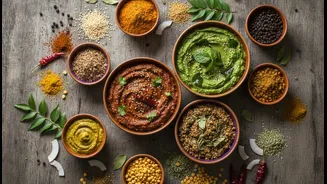
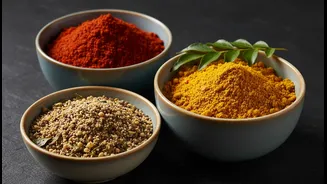
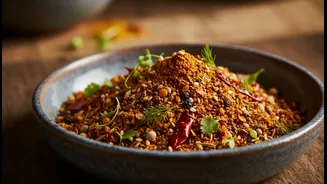
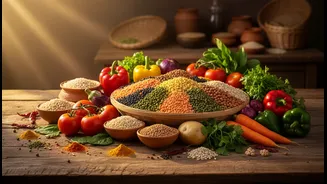
For the uninitiated, podi—also known as milagai podi or 'gunpowder'—is a dry spice mix that holds a cherished spot in South Indian kitchens. Typically made from a base of roasted lentils (like chana dal and urad dal), sesame seeds, and fiery red chillies,
its composition can vary wildly from one family to the next. Some are nutty, others are smoky, and some pack a serious punch. Traditionally, it’s a flavour bomb designed to be mixed with ghee or sesame oil and served alongside simple fare like idli, dosa, or a mound of steaming rice, instantly elevating a simple meal into something deeply satisfying.
From Comfort Food to Culinary Canvas
For decades, podi was a hero at home, a reliable flavour-enhancer rarely seen outside of its comfort zone. Now, a new generation of Indian chefs is looking at this pantry staple not as a relic to be preserved, but as a dynamic canvas for innovation. This shift is part of a broader movement in modern Indian cuisine, one that is confident enough to play with its own classics. Restaurants are moving beyond merely presenting authentic dishes; they are deconstructing and reimagining them, using traditional flavours as a launching pad for something entirely new. The humble podi, with its incredible texture and depth, has become a perfect tool for this culinary experimentation.
A Cross-Cultural Spice Cabinet
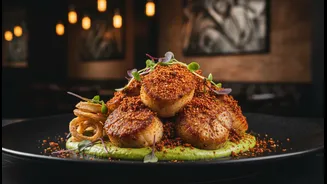
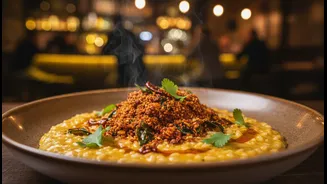
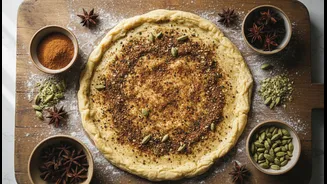
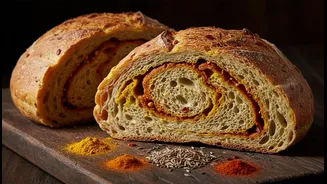
The real magic happens when this Indian staple starts borrowing from a global spice rack. Chefs are infusing podi with ingredients and ideas from completely different culinary traditions, resulting in compelling new flavour profiles. Imagine a Ghee Podi Spaghetti, where the nutty spice mix replaces or complements traditional Italian seasoning for a desi twist on a classic. We're seeing podi used as a crunchy, spicy crust for fried chicken or paneer, and as a bold seasoning for gastropub favourites like french fries and avocado toast. The fusion isn't about masking the podi's character but amplifying it, creating dishes like Ghee Podi Idli Shakshuka, blending South Indian breakfast with a Middle Eastern classic. These creations show that podi’s nutty, spicy profile is surprisingly versatile, pairing well with everything from grilled cheese to roasted vegetables.
The Gastropub Connection
This trend has found a natural home in the gastropub and modern Indian eatery. These venues thrive on offering familiar formats—like tacos, pizzas, and loaded fries—with an inventive, high-quality twist. A sprinkle of a creatively seasoned podi can transform a standard dish into a signature item. Beyond food, the trend is even seeping into bar menus. The rise of savory and spicy cocktails provides a perfect opportunity for podi's complex flavours. Mixologists are using chili-infused syrups and savory rims to create unique drinks. While a full-blown podi cocktail might still be on the horizon, using the spice mix's core components—like chili, herbs, and toasted spices—is a natural next step for adventurous bartenders looking to tap into India's diverse flavour palette.
Confidence, Not Colonialism
This trend isn't about 'Westernising' Indian food to make it more palatable. In fact, it’s the exact opposite. It signifies a new era of confidence where Indian chefs feel empowered to treat their own culinary heritage with the same playful creativity that was once reserved for French or Italian food. It’s about taking a beloved, deeply Indian product and saying, “This is so good, it can play on a global stage.” They are not just cooking; they are curating new experiences, proving that traditional flavours have an exciting and evolving future. This new wave of fusion is less about imitation and more about a confident, cross-cultural dialogue happening right on our plates.