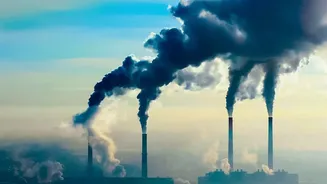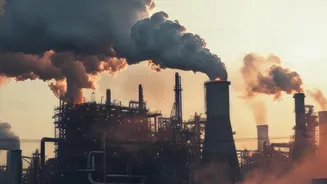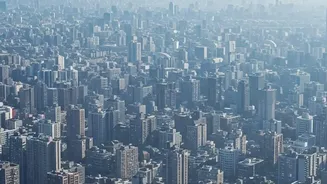






The haze blanketing India's cities is more than a health crisis; it's a profound economic burden. Recent reports reveal that the cost of air pollution extends far beyond healthcare, quietly chipping away at the nation's GDP.
The Multi-Billion Dollar Toll on GDP
The scale of the economic damage
from air pollution is staggering. According to a recent FICCI-EY report, India could be losing as much as 9.5% of its Gross Domestic Product (GDP) annually due to the toxic air. Another assessment by Dalberg Advisors and the Clean Air Fund estimated the cost at USD 260 billion in 2024 alone, which is nearly 6% of the country's GDP. To put this in perspective, these losses dwarf the national budget for many critical sectors. This isn't a distant, abstract number; it represents a direct drag on national growth, diverting resources that could otherwise be invested in infrastructure, education, and innovation. The consensus among various studies is clear: the perceived trade-off between economic growth and pollution control is a false choice, as pollution itself is inflicting massive economic losses.
The Hidden Cost of an Unwell Workforce
One of the most significant hidden costs is the impact on India's greatest asset: its human capital. The economic toll goes far beyond direct healthcare expenses, which reached USD 12.3 billion in 2024. A major issue is 'presenteeism'—when employees show up to work while sick but perform at a lower capacity. On days with high pollution, employee productivity can drop by 8% to 10%. This subtle decline, multiplied across millions of workers in sectors like IT and finance that depend on cognitive performance, represents a massive loss. India loses an estimated 1.3 billion working days each year to pollution-related health issues, translating into billions of dollars in lost business revenue. This constant drain on productivity makes businesses less competitive and slows economic momentum.
When Consumers and Tourists Stay Home
Pollution directly impacts consumer behaviour and cripples customer-facing industries. When air quality plummets, people stay indoors, avoiding shopping malls, restaurants, and outdoor markets. This leads to a significant drop in footfall and sales, especially for discretionary purchases like apparel and dining. One report estimated that consumer-facing businesses could have gained USD 22 billion in revenue in a single year if pollution levels were improved. The tourism sector is also hit hard, with recurring high pollution leading to not just short-term revenue loss but also long-term reputational damage. Concerns over air quality cause international tourists to reconsider travel plans, costing an estimated 820,000 jobs in tourism and related sectors.
A Brake on Critical Infrastructure and Supply Chains
Government-mandated emergency measures, while necessary, create their own economic shocks. The Graded Response Action Plan (GRAP) often involves halting construction activities and restricting vehicle movement. These bans cause a chain reaction, affecting not just large developers but also suppliers of cement, steel, and other materials, as well as daily-wage workers who depend on this activity. Similarly, transport restrictions disrupt supply chains, affecting the delivery of everything from fresh produce to consumer goods and raising operational costs for businesses. Furthermore, pollution directly impairs asset productivity. For example, studies have shown that smog and aerosol pollution can reduce solar power generation by blocking sunlight, undermining the viability of renewable energy projects.