





The Art of a Truly 'Green' Gift
In an era of conscious consumerism, the idea of an 'eco-gift' goes beyond just a recyclable tag. It’s about choosing items that are built to last, made from sustainable materials, and support ethical practices. A truly thoughtful gift considers the entire
lifecycle of a product, from its creation to its place in your friend's home. Artisan home decor, for instance, often involves unique craftsmanship and stories that mass-produced items lack. These pieces, whether a hand-blown vase from recycled glass or a textile woven with traditional techniques, carry a sense of personality and purpose. Similarly, a potted plant is more than just decor; it's a living gift that grows over time, symbolising the flourishing of your relationship. This approach shifts gifting from a momentary transaction to a lasting gesture of care for both the recipient and the environment.
Choosing Artisan Decor With a Conscience
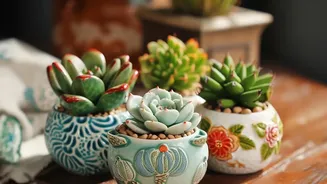
When selecting artisan home decor, look for the story behind the piece. Prioritise items made from renewable or reclaimed materials like jute, sisal, wool, bamboo, or reclaimed wood. Supporting local artisans not only reduces your carbon footprint but also helps keep cultural crafting techniques alive. Look for certifications that indicate ethical production, such as Fair Trade or GOTS (Global Organic Textile Standard) for textiles. A beautiful set of hand-stitched Kantha cushions, a unique vase made from recycled glass, or even a simple wooden candle holder can become a cherished part of a home. These items demonstrate that style and sustainability are not mutually exclusive; in fact, they often enhance each other, creating a home that is both beautiful and meaningful.
A Guide to Gifting Living Greenery
Gifting a plant is a wonderful gesture, but it comes with responsibility—both for you as the giver and for the recipient. The key is to match the plant to the person's lifestyle and home environment. Before you buy, ask a few quiet questions. How much natural light does their home get? Are they a busy professional who might forget to water, or a nurturing type who enjoys a routine? Do they have pets or small children? Some common houseplants are toxic if ingested, so it's crucial to choose a safe option if needed. A plant should be a joy, not a burden. Including a simple care card with the plant's name and its light and water requirements is an excellent finishing touch that ensures your gift will thrive.
The Right Plant for Every Friend
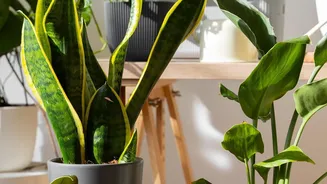
Not all plants are created equal when it comes to ease of care. For a friend who is new to plants or has a very busy schedule, choose a low-maintenance variety that can tolerate a bit of neglect. The Snake Plant, for example, is famously hard to kill and can handle low light and infrequent watering. The ZZ Plant is another excellent choice for beginners, as it stores water in its roots and is very drought-tolerant. For friends with pets, a Money Tree, Palm, or certain types of Maranta (prayer plant) are generally considered non-toxic and safe choices. If your friend loves to cook, a small pot of herbs like basil or rosemary can be both beautiful and useful. For the style-conscious, a Monstera or a Philodendron can add a touch of modern drama to any room.
Thoughtful Presentation to Finish
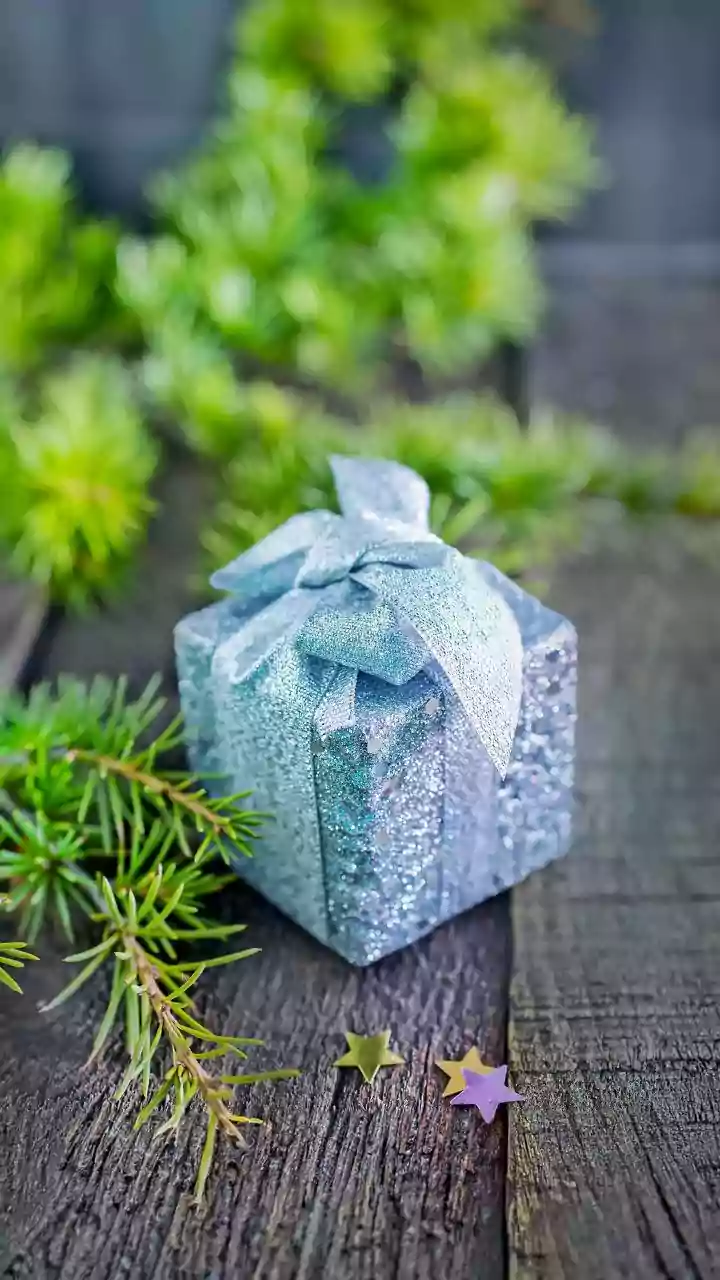
How you present your gift is the final touch in the eco-gifting experience. Instead of glossy, non-recyclable wrapping paper, consider beautiful and sustainable alternatives. Furoshiki, the Japanese art of wrapping with cloth, is a wonderful option where the fabric itself—like a beautiful scarf or tea towel—becomes part of the gift. You can also use kraft paper, old maps, or even newspaper for a rustic, creative look. Secure the package with natural twine or a reusable fabric ribbon instead of plastic tape. For a final flourish, add a natural decoration like a dried orange slice, a cinnamon stick, or a sprig of fresh rosemary. These small details elevate the gift and reinforce the message of thoughtfulness and sustainability.