





The Monsoon's Verdant Makeover
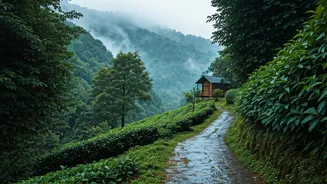
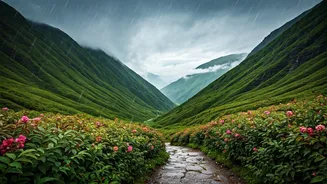
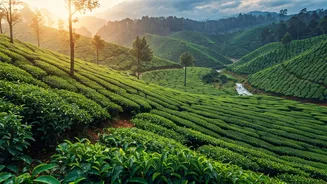
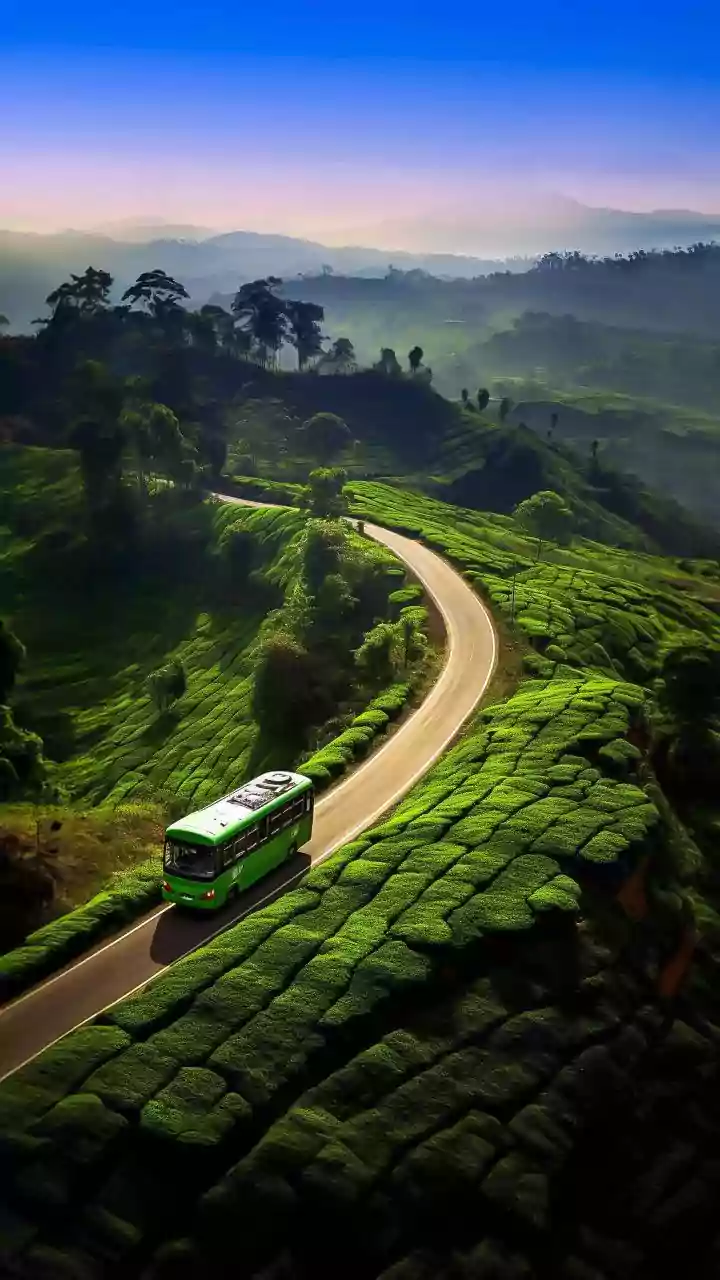
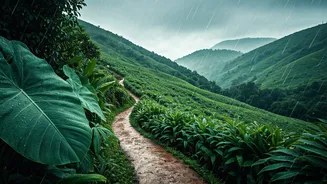
There’s a unique magic to Mahabaleshwar when the first rains of the season drench its hills. The entire region transforms, shedding its sun-baked summer look for a vibrant, emerald-green coat. [2, 15] This is when the true charm of the hill station reveals
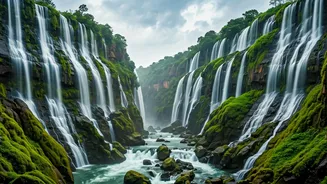
itself. The air grows heavy with the scent of wet earth, mist clings to the valleys, and the sound of rushing water becomes the season’s soundtrack. [13] For travellers, this marks the perfect time to witness the area's most dramatic attractions: its waterfalls. Fed by the generous monsoon, these cascades, which may be mere trickles or completely dry in other seasons, swell into powerful, breathtaking torrents. [7, 25]
The Majestic Lingmala Waterfall
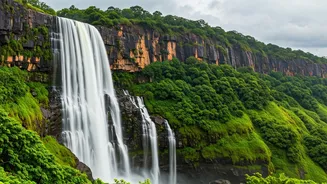
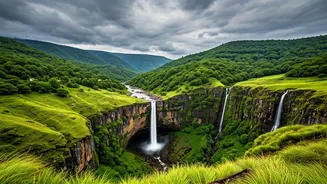
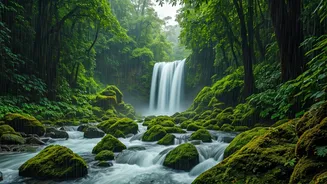
Arguably the most famous of Mahabaleshwar's waterfalls, Lingmala is a must-see during the monsoon. [3, 26] Located just six kilometres from the main town, it’s a spectacular sight as the Venna River’s waters plunge from a height of about 500 feet. [3, 10, 30] The site actually features two falls: a smaller, accessible mini-waterfall perfect for a refreshing splash, and the main waterfall, which can be admired from a designated viewpoint after a short trek. [30] The walk to the main viewpoint is an experience in itself, taking you through a lush forest path. [3] The thundering roar of the water and the cool mist in the air make it an invigorating stop. The best time to visit is from July to September, when the flow is at its absolute peak. [3]
The Picturesque Dhobi Waterfall
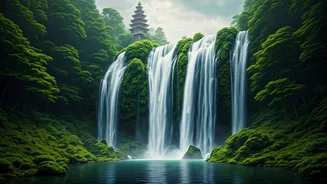
A quieter but equally enchanting spot, Dhobi Waterfall is located just a few kilometres from Mahabaleshwar’s town centre. [2, 8] It’s a popular spot for picnics and offers a serene escape. [2] The waterfall is enclosed by rocks, with water cascading down into the valley and eventually joining the Koyna River. [2, 28] The path to the waterfall can be a bit muddy, but the scenic hike through the trees is well worth the effort. [2, 11] Unlike some of the larger falls, Dhobi offers a more intimate experience with nature, making it perfect for families and those looking for a peaceful outing. [4] It is at its most beautiful during the monsoon months. [4, 11]
More Cascades to Chase
Beyond the big names, Mahabaleshwar and its surroundings are dotted with other seasonal cascades worth exploring. Chinaman's Waterfall, named because the gardens nearby were once tended by Chinese caretakers, is another stunning fall that drops from a height of 500 feet. [9, 30] It is located south of the Koyna Valley and offers a beautiful view, especially during the rainy season. [17, 19] For the more adventurous, Vajrai Waterfall, located near the Kas Valley, is the second-highest plunge waterfall in India and presents a truly awe-inspiring sight with its three-tiered cascade. [28, 30] These waterfalls, along with numerous smaller, unnamed streams that appear along the roadsides, contribute to the magical monsoon atmosphere of the region. [24]
A Monsoon Visitor's Guide
Visiting Mahabaleshwar during the monsoon requires a bit of preparation. The best time to see the waterfalls in their full glory is typically from July to October. [5, 10] It is essential to pack waterproof jackets and wear sturdy, non-slip footwear, as trails can be slippery and muddy. [5, 15] Always check weather forecasts before heading out, as heavy rains can sometimes lead to road closures or unsafe conditions. [5] When visiting the waterfalls, stick to designated paths and viewpoints. Avoid swimming in strong currents, especially near the main cascades of larger falls like Lingmala, as the force of the water can be deceptive and dangerous. [5] With a little caution, a monsoon trip to witness these waterfalls is an unforgettable experience.