





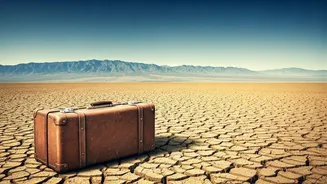


A Land of Stark Contrast
While news channels and social media feeds are filled with images of inundated city streets in places like Mumbai and Delhi, life in Spiti Valley follows a different rhythm. Located in the northeastern part of Himachal Pradesh, Spiti is classified as a cold
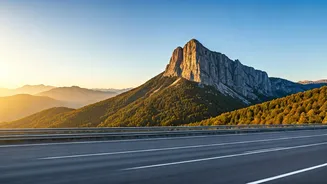
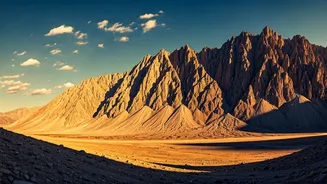
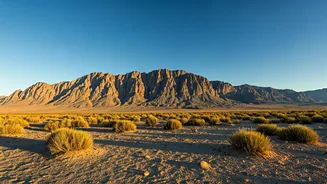
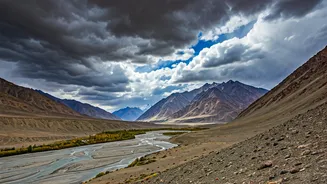
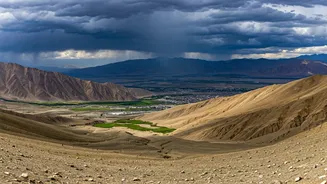
desert. Its landscape is defined by barren, rocky mountains, deep gorges, and a surprising lack of rain, with annual precipitation often less than 50 mm. This makes it one of the driest places in the country, especially during the monsoon season from July to September when the rest of India receives the bulk of its annual rainfall.
The Great Himalayan Barrier
The primary reason for Spiti's arid climate is a powerful phenomenon known as the rain shadow effect. The main culprit is the Great Himalayan Range itself, which acts as a colossal wall. When the moisture-laden southwest monsoon winds sweep in from the Arabian Sea and the Bay of Bengal, they travel north across the Indian plains. As these winds encounter the towering Himalayan peaks, which include the Pir Panjal range to the south of Spiti, they are forced to ascend rapidly.
How a Rain Shadow Works
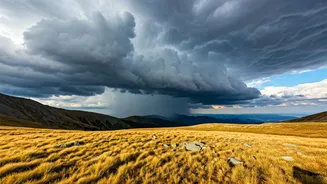
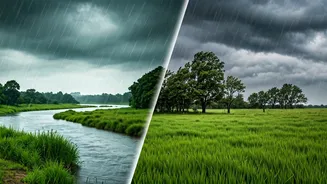
Think of a wet sponge being squeezed against a wall. As the moist air rises up the southern, windward slopes of the Himalayas, it cools and condenses. This process forces the clouds to release almost all of their moisture in the form of heavy rain and snow. This is why regions on the southern side of the Himalayas, like most of Himachal Pradesh and Uttarakhand, experience intense monsoon rainfall. By the time the air mass crosses over the high mountain passes and descends into Spiti on the leeward side, it has been stripped of its moisture. This descending air is now dry and cold, creating the arid, desert-like conditions that define the valley.
Life in the Cold Desert
The result is a high-altitude desert where life is uniquely adapted to the harsh, dry climate. The average elevation of Spiti is over 12,500 feet, contributing to its extreme temperatures, which can plummet to -30°C in winter. Instead of relying on rain, the valley's sparse agriculture and entire ecosystem depend on the water from melting glaciers and the minimal winter snowfall. This creates a fragile existence, with scattered green patches of cultivation, mostly barley and peas, appearing like oases amidst the vast, russet-coloured mountains.
A Fragile and Changing Climate
This unique climate makes Spiti a popular destination for travellers seeking clear skies and adventure during the monsoon months. However, this high-altitude haven is not immune to change. Scientists and locals have noted that climate change is affecting the region. Erratic weather patterns, rising temperatures, and faster-melting glaciers threaten the delicate balance of Spiti's water supply. While the great mountains continue to block the monsoon, the very sources of water that the valley depends on—snow and ice—are becoming increasingly unpredictable, posing a long-term challenge to this dry but beautiful land.