



The Festive Kitchen Challenge
Picture this: the oil is perfectly hot for tempering, guests are arriving, and you suddenly can't find the mustard seeds. We've all been there. Indian festive cooking is a symphony of complex flavours, often requiring a dozen or more spices for a single
meal. When you're juggling multiple dishes, fumbling through messy cabinets or identical packets is a recipe for stress and burnt tadkas. An organised system isn't just about tidiness; it's about creating an efficient workflow that lets you focus on the joy of cooking, not the hunt for ingredients.
The Foundation: Audit and Declutter
Before you can organise, you need to know what you have. Empty your spice cabinet completely. Group all the packets and jars together. You'll likely find duplicates and spices that have long lost their aroma. Check for freshness by crushing a small amount between your fingers; if the scent is faint or non-existent, it's time to discard it. Ground spices typically lose their potency after six to twelve months, while whole spices can last for a few years. This initial clear-out creates a clean slate and ensures every spice you keep is fresh and flavourful.
Choosing Your Storage System
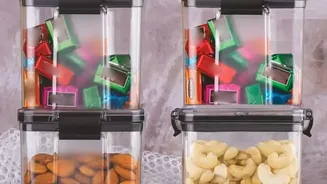
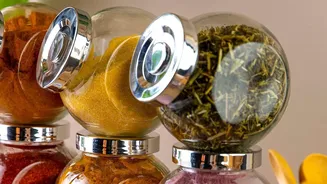
The right containers are crucial for keeping spices fresh by protecting them from their three main enemies: heat, light, and moisture. Airtight glass or stainless steel jars are excellent choices. Many Indian homes rely on the classic 'masala dabba'—a round steel box with seven small bowls for daily-use spices like turmeric, chilli powder, cumin, and mustard seeds. This keeps your most-used aromatics within arm's reach. For less frequently used spices, consider drawer inserts, tiered racks, or pull-out vertical drawers to keep everything visible and accessible. The goal is to avoid rummaging and see your entire collection at a glance.
The Art of Labelling
Never underestimate the power of a good label. It saves you from the sniff test every time you reach for a jar. Use clear, waterproof labels on the lid and the side of each container. This helps you identify spices whether they're in a drawer or on a shelf. Include the name of the spice and the purchase date. This simple step helps you track freshness and know when it’s time to restock, preventing you from running out of a key ingredient mid-recipe during a big festive cook-off.
Strategic Placement for a Smoother Workflow
Organise your spices based on frequency of use. This is where the masala dabba truly shines for daily essentials. Keep this, along with oil and salt, right next to your cooking station. A second tier of spices—those used a few times a week—can be stored in a nearby cabinet or drawer. Spices for special occasion dishes or different cuisines can be grouped together on a separate shelf. Some home cooks even use two masala dabbas: one for tempering spices (tadka) and another for powders. This 'zoning' system creates a natural, ergonomic flow in the kitchen, making your movements more efficient and intuitive.
The Payoff: Calm, Creative Cooking
Investing an afternoon in organising your spices pays dividends all year, but especially during festivals. Instead of a frantic search, you'll have a calm, streamlined process. A well-organised spice collection doesn't just save time; it inspires creativity. When you can see all your beautiful spices laid out, you're more likely to experiment with flavours and perfect your family's favourite recipes. It transforms cooking from a chore into a more mindful and enjoyable act, allowing you to create delicious food with a sense of peace and control.