

A Breakthrough in Medical Diagnostics
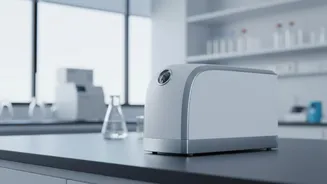
In what could be a paradigm shift for public health, Indian researchers and startups have developed highly advanced breath sensors that use a combination of nanotechnology and artificial intelligence (AI) for non-invasive disease screening. Unlike traditional
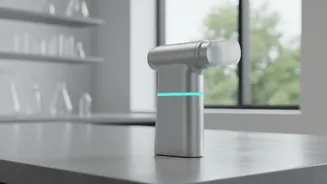
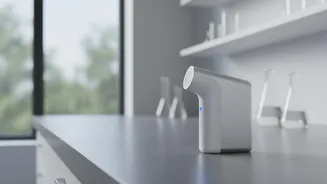
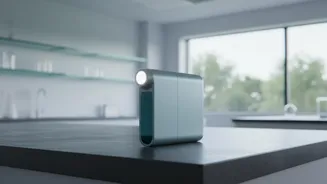
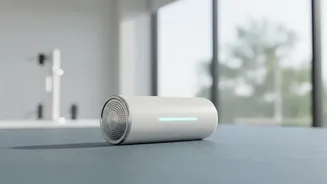
diagnostic methods that often require blood samples or invasive procedures, these new handheld devices simply analyze the chemical compounds in a person's exhaled breath. This innovation, showcased at recent technology summits like Bengaluru India Nano 2026, aims to make early disease detection more accessible, affordable, and patient-friendly across the country. The core idea is to identify diseases before they manifest in severe symptoms, a critical factor in successful treatment.
How 'Nano AI' Reads Your Breath
The science behind the sensor is a sophisticated blend of two cutting-edge fields. The “nano” part involves an array of ultra-sensitive nanosensors designed to detect specific Volatile Organic Compounds (VOCs) in human breath. These VOCs are like molecular fingerprints; different diseases cause distinct metabolic changes in the body, which produce unique VOC signatures. This is where the “AI” comes in. The AI algorithm is trained on vast datasets of breath samples from both healthy individuals and patients with known conditions. It learns to recognize the complex patterns of VOCs associated with specific diseases, such as certain cancers, diabetes, or liver disorders. When you breathe into the device, the nanosensors capture the VOC data, and the AI engine analyzes it in seconds to provide a risk assessment.
Unpacking the Accuracy Claims
The phrase “adds new weight to screening accuracy” signifies a leap in reliability. Early-generation breathalyzers for health were often imprecise, but these new devices are demonstrating remarkable performance in lab settings and early trials. For instance, one deep-tech startup, Accubits Invent, reported a lab-verified accuracy rate of 98.5% for its VOC sensor, VolTrac, which can identify molecular patterns for various diseases in under 90 seconds. Another study focusing on a device for pre-diabetes screening aims to classify individuals as non-diabetic, pre-diabetic, or diabetic in under a minute. This high level of accuracy moves these devices from being merely indicative tools to potentially reliable screening instruments that can confidently direct patients toward further diagnostic confirmation, saving crucial time.
What Can These Devices Screen For?
The potential applications for this technology are vast. Researchers are tailoring these devices to screen for a wide spectrum of health conditions. Some of the most promising areas include the early detection of cancers, metabolic disorders like diabetes, and even chronic kidney and liver diseases. For example, a device presented by TCS Research specifically targets the 136 million people in India estimated to have pre-diabetes, offering a chance to reverse the condition with early lifestyle changes. Other research teams from institutions like IIT Kharagpur are developing analyzers for a comprehensive metabolic profile. The technology is also being adapted to detect respiratory infections and neurodegenerative disorders.
A Game-Changer for Indian Healthcare
The true impact of this innovation lies in its potential to solve some of India's most pressing healthcare challenges. A non-invasive, low-cost, and rapid screening tool is ideal for deployment in rural and low-resource settings where traditional laboratory infrastructure is scarce. Healthcare workers could use these portable devices to conduct mass screenings in villages, schools, or community centers, identifying high-risk individuals who need follow-up care. This could lead to earlier diagnosis on a national scale, drastically improving treatment outcomes and reducing the burden on an already strained healthcare system. By making proactive health monitoring simple and accessible, the nano AI breath sensor represents a powerful new weapon in the fight against disease.