




The Paradox of Himalayan Drought
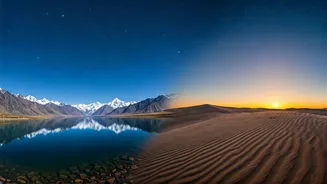
The Himalayan region is often called the 'Third Pole' for its vast reserves of snow and ice. For centuries, villages in arid, high-altitude regions like Ladakh have depended on the slow, steady melt of glaciers to water their crops during the short summer
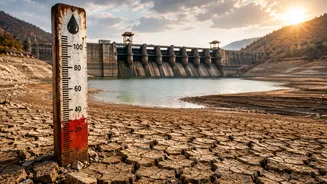
growing season. But climate change has dangerously disrupted this natural cycle. Glaciers are now receding at an alarming rate, and winter snowfall is becoming more erratic. The spring melt now often comes too early and too fast, meaning huge volumes of water rush away before the crucial planting season begins in April and May. By the time farmers need it most, the streams have dwindled, leaving their fields of barley and vegetables to perish. It’s a cruel paradox: a land of ice facing a crisis of thirst.
An Idea Inspired by a Bridge
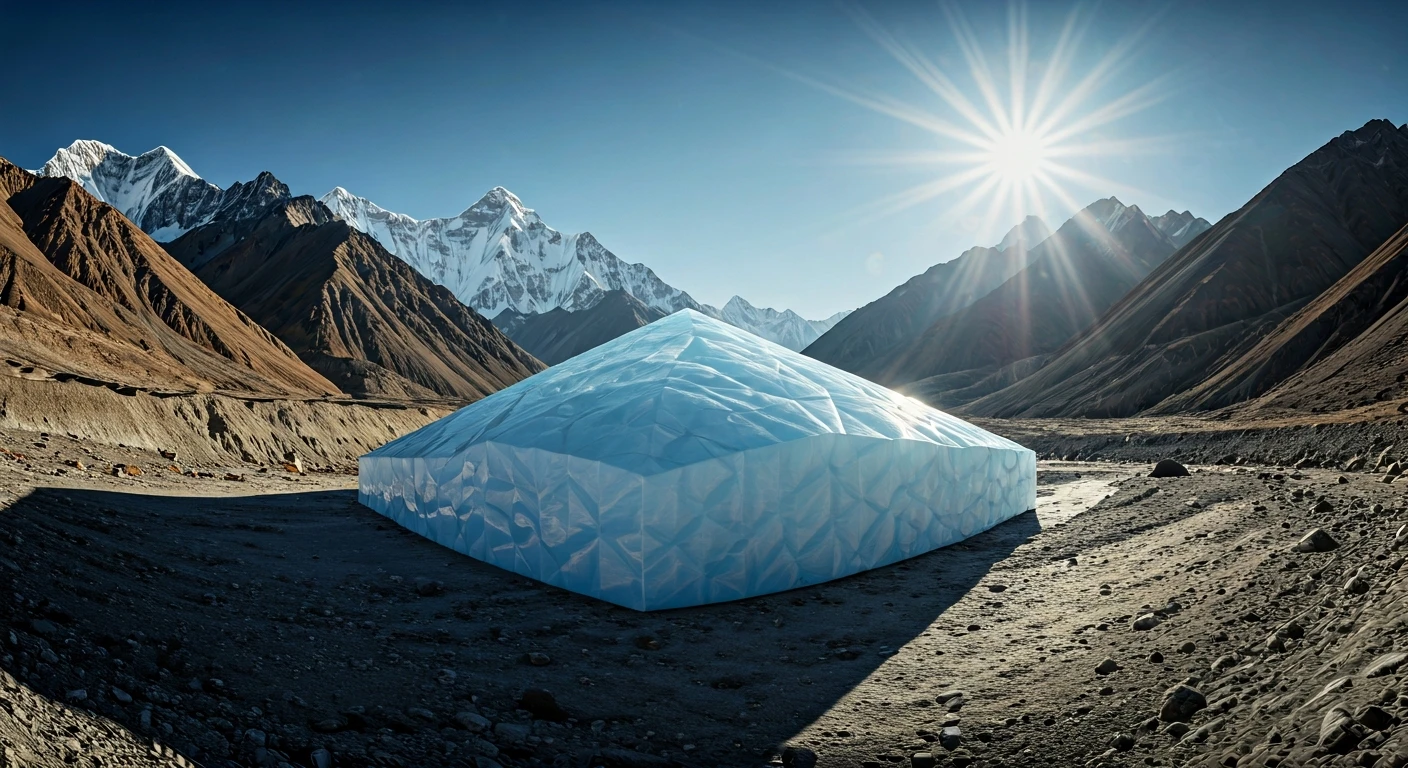
Enter Sonam Wangchuk, a Ladakhi engineer and education reformer whose innovative mind has become legendary. The solution he devised is as elegant as it is effective: the ice stupa. The inspiration struck him when he noticed a patch of ice under a bridge that had survived well into the spring, long after the surrounding ice had melted. The reason? It was shielded from direct sunlight. Wangchuk realised that the key wasn't the total amount of ice, but its shape and exposure. A horizontal field of ice melts quickly because of its large surface area. But what if you could grow ice vertically, like a cone or a pyramid, minimising the surface area exposed to the sun? This would allow the ice to last much longer into the warmer months, melting slowly and releasing water exactly when it's needed.
How to Build an Artificial Glacier
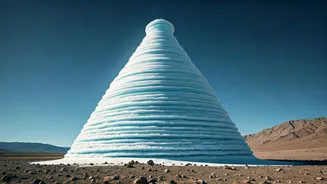
The science behind the ice stupa is brilliantly simple, relying on basic physics and gravity. A pipeline is laid from a water source—a glacial stream located at a higher altitude—and brought down to the village. During the frigid winter months, when temperatures drop far below zero, the water from the pipe is sprayed upwards into the air through a sprinkler. As the fine mist hits the freezing air, it turns to ice and falls, gradually accumulating around a basic frame. Over the course of the winter, this process builds a massive, conical mountain of ice that can reach heights of 30 to 50 metres. These structures are named 'ice stupas' for their resemblance to the traditional Buddhist monuments that dot the Ladakhi landscape, grounding the modern innovation in local culture and earning immediate community acceptance.
From Ice Cones to Green Oases
The true magic of the ice stupa happens in the spring. As temperatures rise, the cone begins to melt, but its shape ensures this happens slowly and predictably. A stupa can hold millions of litres of water, releasing it gradually through April, May, and June. This meltwater is channelled into a storage tank and then distributed through a drip irrigation system to farm fields. The impact has been transformative. In villages where ice
A Global Model for Local Solutions
The ice stupa project, which won Sonam Wangchuk the prestigious Rolex Award for Enterprise in 2016, is more than just an engineering feat. It is a powerful symbol of bottom-up innovation. It proves that communities most affected by climate change can also be the source of the most effective solutions, using local knowledge, simple technology, and a deep understanding of their environment. The concept is now being explored and trialled in other mountainous regions around the world, from the Swiss Alps to the Kyrgyz mountains. It serves as a global inspiration, demonstrating that we don't always need complex, high-cost technology to adapt to a changing planet. Sometimes, the most powerful solutions are born from observing nature and thinking creatively.