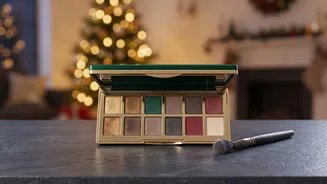







Diwali is a time for celebration, light, and looking your best. But in the rush of festive preparations, it's easy to overlook a hidden risk in your makeup bag. Using old or expired eye cosmetics can pose a serious threat to your eye health.
The Hidden Dangers in Your Makeup Bag
Every time
you use an eye makeup applicator, like a mascara wand or an eyeliner tip, it comes into contact with the natural bacteria on your skin and eyelashes. This bacteria is then transferred back into the product, where it can multiply over time, especially in moist, dark environments like a mascara tube. Using these contaminated products can lead to a host of problems, from mild irritation, redness, and swelling to more serious infections like conjunctivitis (pink eye) or styes. The preservatives in makeup that prevent bacterial growth break down over time, making older products a potential breeding ground for harmful germs.
Know Your Expiry Dates: A Quick Guide
Unlike food, most makeup doesn't come with a clear expiry date stamped on it. Instead, many products feature a 'Period After Opening' (PAO) symbol, which looks like a small open jar with a number followed by 'M' (e.g., '6M'). This indicates how many months the product is safe to use after it has been opened. As a general rule for eye products:
Mascara and Liquid Eyeliner: These have the shortest lifespan due to their high risk of bacterial contamination. They should be replaced every three to six months.
Pencil Eyeliner: Because they can be sharpened to reveal a fresh surface, these last longer, typically up to one or two years.
Cream Eyeshadow: These should be discarded after about six months to a year.
Powder Eyeshadow: If stored properly and applied with clean brushes, powder products are the most durable and can last for up to two years.
How to Spot a Spoiled Product
If you can't find a PAO symbol or can't remember when you opened a product, trust your senses. There are several tell-tale signs that a cosmetic has gone bad. Be on the lookout for any changes in texture; for example, a liquid foundation might start to separate, or a mascara could become clumpy and dry. A change in colour is another red flag, as oxidation can cause formulas to darken or take on an orange tint over time. Finally, if the product has an unusual, sour, or chemical smell that it didn't have before, it's time to throw it away immediately. When in doubt, the safest option is always to discard it.
Safe Makeup Practices for the Festive Season
Beyond just checking for expired products, a few simple hygiene habits can help keep your eyes safe during Diwali and beyond. First and foremost, never share eye makeup. Sharing products like kajal or mascara is a fast track to spreading bacteria and infections. Always apply makeup with clean hands and on a clean face. If you use brushes or sponges, ensure they are cleaned regularly. Avoid applying makeup in a moving vehicle to prevent accidental pokes or scratches to the eye, which can lead to infection if the applicator is contaminated. When applying eyeliner, stick to the outside of your lash line rather than the inner rim (waterline) to avoid blocking the delicate oil glands that protect your eye's surface.
Recognizing an Infection and When to Act
If you do experience symptoms after using an eye product, it's important to act quickly. Signs of an eye infection or irritation include redness, itching, burning, unusual discharge, watery eyes, swelling, and increased sensitivity to light. If you notice any of these symptoms, stop using all eye makeup immediately and discard the products you were using. Minor irritation may resolve on its own, but if symptoms persist, worsen, or are accompanied by pain or changes in your vision, it is crucial to consult an eye doctor.