
Understanding the Humidity Tray
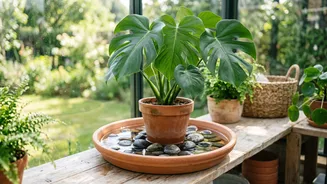
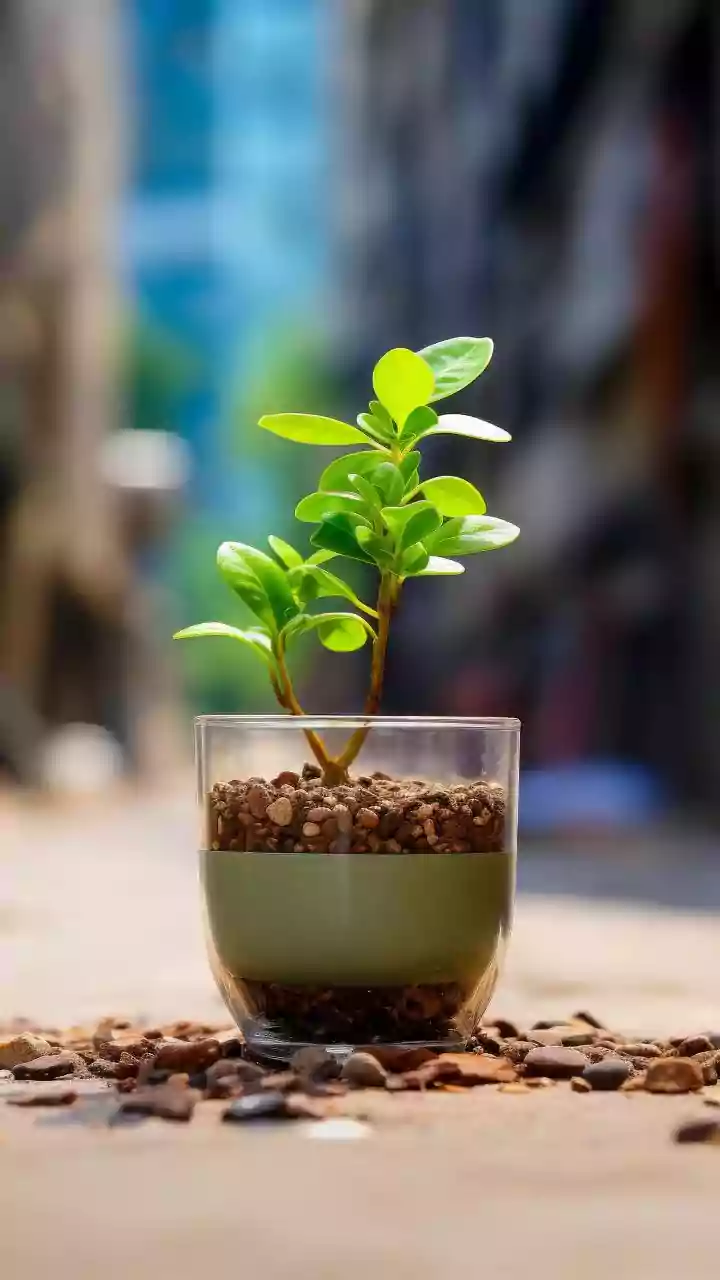
A humidity tray, also known as a pebble tray, is simply a shallow dish filled with pebbles and water. The plant, in its own pot, is then placed on top of the pebbles. The key is that the pot sits above the water line, preventing the soil from becoming
waterlogged. As the water in the tray evaporates, it increases the humidity in the immediate vicinity of the plant, creating a beneficial microclimate. This technique mimics the consistently moist air of the tropical rainforests where many popular houseplants originate.
Why Your Tropical Plants Need It
Most tropical plants evolved in environments with humidity levels between 60% and 90%. In contrast, the typical home, especially during seasons when heating or air conditioning is running, can have humidity levels as low as 30-50%. This dry air forces plants to lose water too quickly from their leaves through a process called transpiration. This can lead to stress, brown and crispy leaf tips, slower growth, and even increased vulnerability to pests. By providing a localized pocket of humid air, a tray helps reduce this water loss, keeping the foliage lush and healthy.
How to Create Your Own Tray
Creating a humidity tray is simple and inexpensive. All you need is a waterproof tray or saucer that is wider than the base of your plant's pot. An old baking dish, a decorative plate, or a large plant saucer will work perfectly. Fill the tray with a single layer of pebbles, gravel, or decorative stones. Then, add water until it sits just below the top of the pebbles. Finally, place your potted plant on top, ensuring the bottom of the pot is not touching the water directly. This separation is crucial to prevent the roots from sitting in water, which can lead to root rot.
Best Practices for Success
To get the most out of your humidity tray, use a tray that is significantly wider than your plant pot to maximize the surface area for evaporation. Grouping several plants with humidity trays together can amplify the effect, creating a more substantial humid microclimate. Remember to check the water level every few days and refill as needed; the water will evaporate more quickly in drier conditions. It's also important to clean the tray and pebbles every few weeks with soap and water to prevent the growth of algae or bacteria.
Which Plants Benefit the Most?
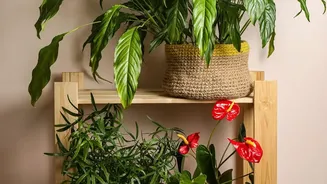
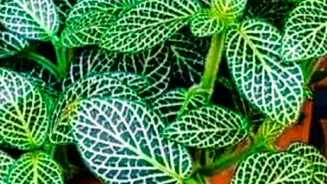
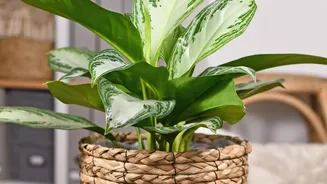
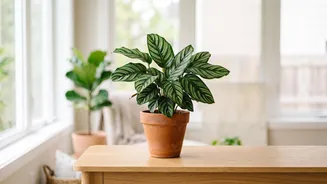
While many houseplants can appreciate a little extra humidity, some species are particularly sensitive to dry air. Plants with thin, delicate leaves are prime candidates for a humidity tray. This includes popular varieties like Calatheas (prayer plants), Marantas, ferns (especially Boston and maidenhair ferns), Alocasias (elephant ear), and some orchids. These plants are known for developing brown, crispy edges when the air is too dry, and a humidity tray can make a noticeable difference in their appearance and overall health.
A Simple Tool, Not a Cure-All
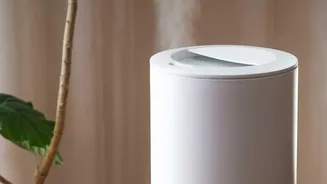
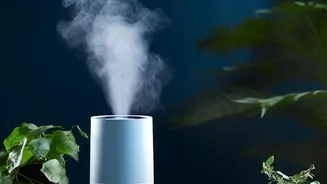
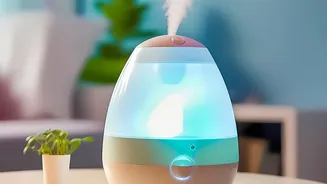
It is important to have realistic expectations. A pebble tray creates a localized puff of humidity and will not significantly raise the humidity of an entire room. For very dry homes or large plant collections, a dedicated room humidifier might be a more effective solution. However, for providing a continuous, gentle boost of moisture right where it's needed, the humidity tray is an invaluable, low-maintenance tool. It's an excellent way to provide supportive care, helping to prevent the most common symptoms of low humidity and keeping your tropical foliage looking its best.