

Prioritise Smart Hydration
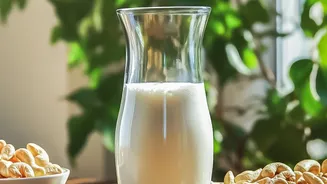
Dehydration is a common cause of fatigue and headaches during a fast. It's essential to drink plenty of fluids throughout the day. Water is your best friend, but you can also supplement with coconut water, fresh fruit juices (without added sugar), and herbal
teas. Dairy-based drinks like buttermilk (chaas) and lassi, where permitted by family tradition, can also provide both hydration and nutrients. Try to limit caffeine from tea and coffee, as it can be dehydrating. Staying well-hydrated helps maintain your energy levels and keeps you feeling fresh.
Choose Complex Carbs for Sustained Energy
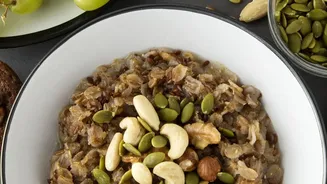
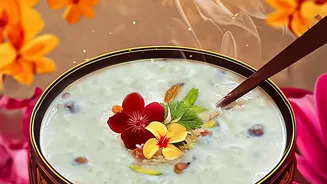
While regular grains like wheat and rice are avoided, the Sawan fast allows for several nutritious alternatives that provide lasting energy. Vrat-friendly flours such as kuttu (buckwheat), singhara (water chestnut), and rajgira (amaranth) are excellent choices. These can be used to make pooris, parathas, or cheelas. Samak rice, or barnyard millet, is another popular substitute that can be prepared as a pulao or kheer. Other great sources of complex carbs include potatoes, sweet potatoes, and arbi (colocasia), which are filling and release energy slowly.
Pack in Protein and Healthy Fats
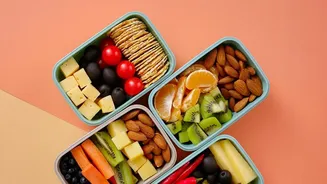
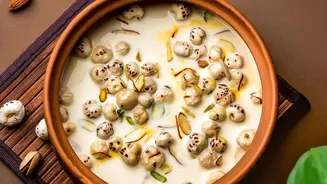
Protein is crucial for keeping you full and maintaining muscle health during a fast. Dairy products like paneer and curd are fantastic sources of protein. Nuts and seeds such as almonds, walnuts, and peanuts are packed with both protein and healthy fats, which provide steady energy. Roasted makhana (fox nuts) are a light, crunchy, and protein-rich snack perfect for staving off hunger between meals. Incorporating these foods helps prevent the energy crashes associated with carb-heavy meals.
Don't Forget Your Fruits and Vegetables
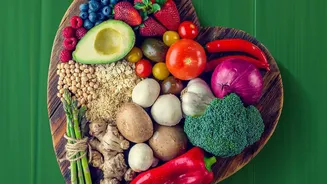
Fruits are a cornerstone of any fasting diet, providing natural sugars for a quick energy boost, along with essential vitamins, fibre, and hydration. Bananas, apples, papayas, and pomegranates are excellent choices. You can eat them whole or as a mixed fruit chaat seasoned with sendha namak (rock salt). Vegetables like lauki (bottle gourd) and pumpkin are also permitted and can be used to make simple, light sabzis that are easy to digest. These foods add volume and nutrients to your meals, helping you feel satisfied.
What to Avoid for Better Energy
While many foods are available, how you prepare them matters. It's best to limit deep-fried items like pakoras and puris, as they can cause sluggishness and digestive issues. Many packaged 'vrat-friendly' snacks are high in sugar and salt, which can lead to energy spikes followed by crashes. Opt for homemade meals whenever possible, using sendha namak instead of regular table salt. Fasting is also a form of detoxification, and sticking to simple, sattvik food enhances its benefits. Overeating, especially when breaking the fast, can also make you feel unwell.