



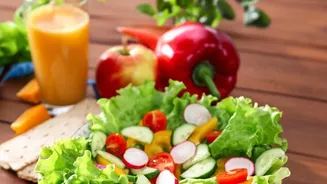
What Counts as Ultra-Processed?
First, let's clarify the terms. The concept of ultra-processed foods (UPFs) comes from the NOVA classification system, which categorises food by its level of industrial processing. It’s not about a single food being 'bad', but about the methods used to
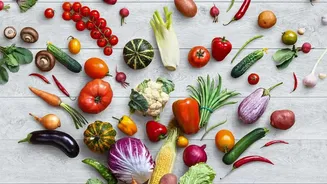
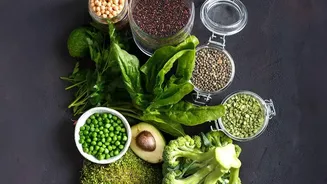
create it. Unprocessed or minimally processed foods are things like fresh fruits, vegetables, eggs, and plain milk. Processed foods have been altered slightly, like canned beans, simple cheeses, or freshly baked bread from a bakery. Ultra-processed foods, however, are industrial formulations. Think of them as products made from substances extracted from foods (like fats, starches, and sugars) or synthesised in labs. They often have long ingredient lists with items you wouldn't find in a home kitchen, such as emulsifiers, artificial flavours, and colourings. Common examples include sugary drinks, packaged cookies and snacks, many breakfast cereals, and ready-to-heat meals.
The Science on Health Risks
The concern around UPFs stems from a large and growing body of research linking high consumption to a range of health problems. Numerous large-scale studies have found strong associations between diets high in UPFs and an increased risk of obesity, type 2 diabetes, heart disease, and certain cancers. A 2024 meta-analysis published in The BMJ reviewed 32 studies and confirmed these links to negative health outcomes. Research has also connected high UPF intake to higher risks for high blood pressure, depression, and overall mortality. More than half of the calories in the average US diet now come from these foods, making it a significant public health issue. Experts believe these health effects are due to a combination of factors, including their high content of added sugar, unhealthy fats, and sodium, coupled with a low amount of fibre and essential nutrients.
Why Are They a Potential Problem?
It’s not just about the poor nutritional profile. The very nature of UPFs makes them easy to overconsume. They are often engineered to be 'hyper-palatable'—a specific combination of salt, sugar, and fat that stimulates the brain’s reward centres, encouraging you to eat more. Their soft textures mean they can be eaten quickly, often before your body’s natural fullness signals can kick in. Furthermore, a diet high in UPFs can displace more nutritious, whole foods. When you fill up on calorie-dense but nutrient-poor snacks and meals, there is simply less room for the fruits, vegetables, and whole grains that your body needs to thrive. Some researchers also point to the potential impact of industrial additives on the gut microbiome, which can affect everything from digestion to mental health.
A Case for Nuance, Not Absolutes
This brings us back to the original question: must you avoid every UPF? The expert consensus is no. The category of UPFs is incredibly broad, and not all are created equal. A fortified whole-grain bread or a low-sugar yogurt, while technically ultra-processed according to some definitions, offers more nutritional value than a sugary soda or a bag of crisps. For many, UPFs provide crucial convenience and affordability that makes them a dietary reality. Banning them entirely is impractical for most people. Even the 2025-2030 Dietary Guidelines for Americans, which for the first time recommend limiting 'highly processed foods', stop short of a complete ban, reflecting the complexity of the issue. The key is not to view this as an all-or-nothing battle.
A More Balanced and Practical Approach
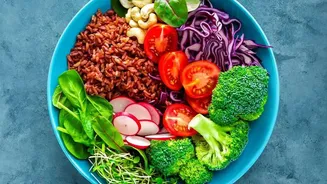
Instead of aiming for an unrealistic goal of zero UPFs, a more effective strategy is to focus on reduction and substitution. The goal is to shift the balance of your diet toward whole and minimally processed foods. Start by making small, manageable changes. Try cooking at home one more night a week. Swap a sugary breakfast cereal for oatmeal with fruit. Instead of a packaged snack, reach for a piece of fruit or a handful of nuts. Reading labels is also a powerful tool. A practical tip is to look for shorter ingredient lists. If you can’t pronounce an ingredient or wouldn't cook with it yourself, it's a good sign the product is heavily processed. The aim is not perfection but progress, focusing on a dietary pattern that is rich in nutrients and minimises the foods most strongly linked to poor health.