







The First Step: Audit Your Spending
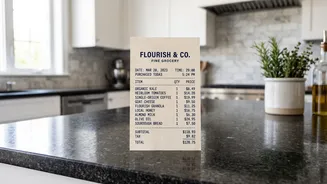
Before you can create a budget, you need to know where your money is going. Spend a month tracking all your grocery and household purchases. Use a diary or a spreadsheet to categorise everything. How much are you spending on fresh vegetables, dairy, grains,
snacks, and cleaning supplies? This initial audit will give you a clear baseline and reveal areas where you might be overspending. Many find it useful to separate food costs from non-food household items like detergents and personal care products, as lumping them together can make it hard to see where costs are rising. This simple act of tracking provides the foundation for building a realistic and effective plan.
Embrace India’s Seasonal Bounty
One of the most effective ways to save money is to cook with the seasons. Seasonal vegetables and fruits are not only cheaper and fresher but also taste better. India’s diverse climate means there’s a rotating abundance of produce year-round. Winter months bring lush leafy greens like spinach and fenugreek, along with carrots and peas. The summer is perfect for gourds, okra, and brinjal. Planning your meals around what's currently available at your local sabzi mandi can significantly lower your weekly vegetable bill. Get familiar with the seasonal calendar for your region; it’s a simple change that yields major savings and adds variety to your diet.
Power Up with Grains and Pulses
The backbone of the Indian diet—dals, legumes, rice, and millets—are pantry powerhouses. These staples are not only nutritious and filling but also incredibly budget-friendly. Buying these items in bulk, such as a 5 kg bag of atta or rice, often results in a lower cost per kilogram compared to buying smaller packs frequently. However, this strategy only works if you have proper storage space to keep items fresh and pest-free in airtight containers. For items you use less frequently, smaller packs might be wiser to prevent waste. Compare prices between your local kirana store and larger supermarkets; sometimes the neighbourhood shop offers better value on staples.
The Art of the Meal Plan and Grocery List
A well-planned grocery list is your best defence against impulse buys and food waste. Start by planning your meals for the week. Check your pantry and fridge to see what you already have, and then build your list around the ingredients you need. This simple habit ensures you buy only what's necessary and helps you stick to your budget. Categorising your list by section—such as produce, dairy, and dry goods—can also make your shopping trip more efficient. A list transforms shopping from a chaotic rush into a focused, money-saving task.
Managing Non-Food Household Needs
A grocery budget isn’t just about food. It must also account for household necessities like cleaning supplies, toiletries, and other consumables. It's essential to budget for these items separately to get a true picture of your spending. You can save in this category by opting for generic or store brands, which are often just as effective as their pricier counterparts. Buying multi-purpose cleaners instead of a different product for every surface can also cut costs. For items with a long shelf-life, like laundry detergent or soap, look for bulk deals or 'buy one, get one free' offers to stock up when the price is right.