


A Shift from Mass-Produced to Meaningful
In an age of fast furniture and identical decor, a growing number of homeowners are seeking authenticity. There is a palpable move away from factory-made items towards objects that feel personal and carry a human touch. Unlike mass-produced goods, which
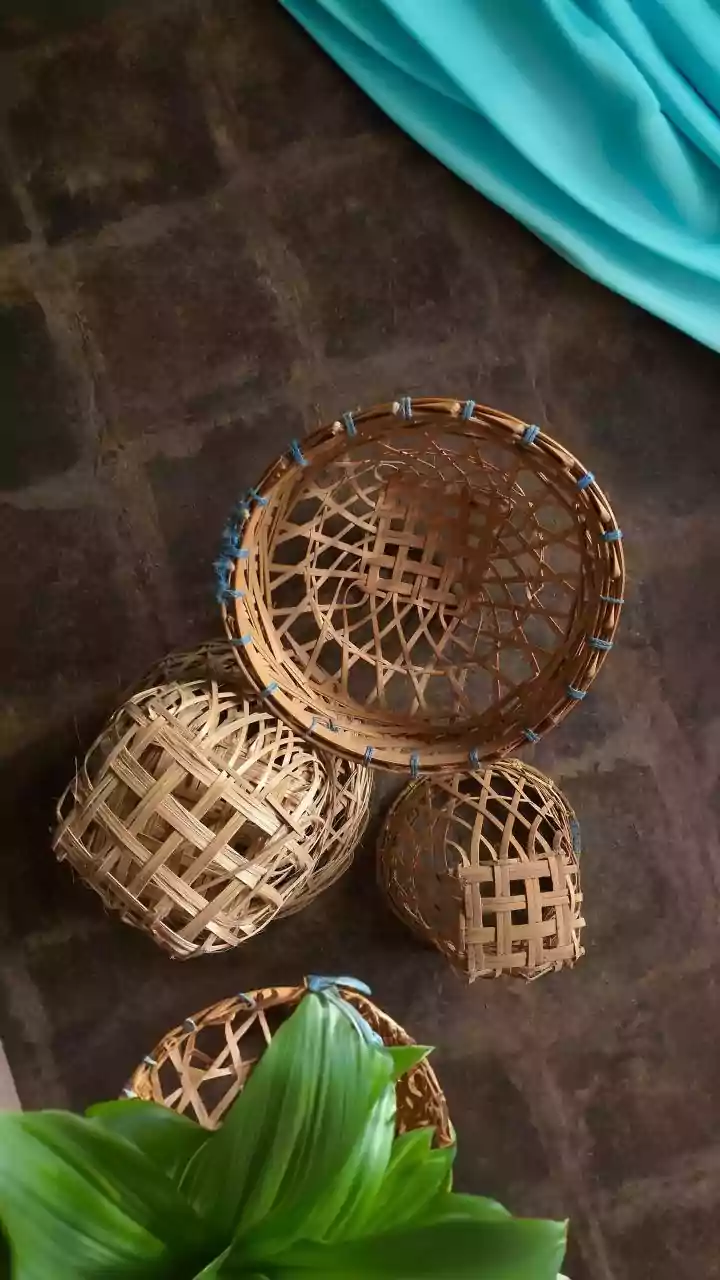
prioritize uniformity, handcrafted accessories celebrate individuality. This desire for meaning over mimicry is reshaping our living spaces, transforming them from showrooms into sanctuaries of personal expression. Each artisanal piece, whether it's a hand-thrown ceramic vase or a carved wooden bowl, brings with it a narrative of skill, tradition, and creativity that machine-made objects simply cannot replicate.
The Unique Beauty of Imperfection
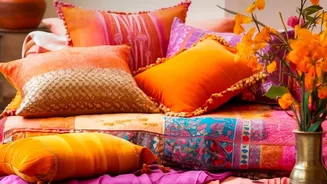
One of the most compelling aspects of artisanal decor is its inherent uniqueness. When an item is made by hand, it bears the subtle marks of its creation process. Slight variations in colour, texture, or form are not seen as flaws but as signatures of authenticity. This 'perfect imperfection' ensures that no two pieces are exactly alike, giving homeowners decor that is truly their own. In a modern setting, the organic and sometimes rustic nature of a Dhokra metal statue or a block-printed cushion cover provides a striking contrast to the sleek, clean lines of contemporary furniture, adding warmth, character, and a soulful touch.
Sustainability as a Design Principle
The trend towards artisanal goods is also deeply connected to a global rise in conscious consumerism. Homeowners are increasingly aware of the environmental and ethical impact of their purchasing decisions. Indian handicrafts often utilize natural, locally sourced, and renewable materials like wood, clay, jute, and brass. The production methods are typically low-energy, preserving traditional techniques that have a smaller carbon footprint compared to large-scale industrial manufacturing. By choosing handmade decor, consumers are not only making an eco-friendly choice but are also supporting the livelihoods of artisan communities, helping to preserve generational skills that might otherwise disappear.
A Bridge to Cultural Roots
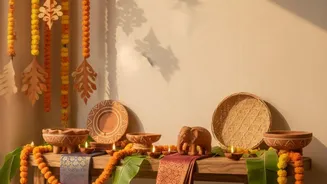
For many, especially those in the Indian diaspora, incorporating traditional crafts into their homes is a way to connect with their heritage. A single piece, like a Pichwai painting, a wooden mask from Kerala, or a Bidriware vase, can serve as a cultural anchor in a contemporary space. These items are more than just decoration; they are conversation starters and storytellers, embodying centuries of mythology, ritual, and regional identity. They allow homeowners to celebrate their roots and create a space that feels layered, personal, and rich with history, without having to commit to a fully traditional interior design scheme.
Versatility in a Modern World
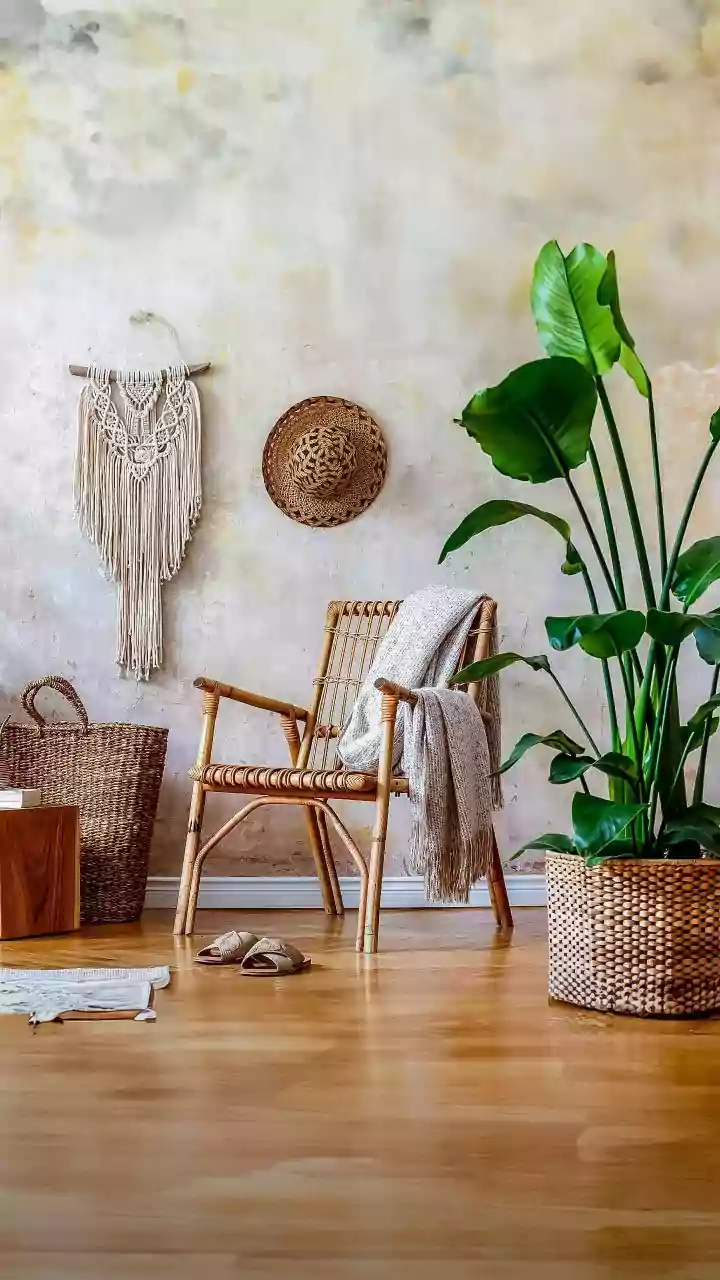
Contrary to what some might assume, traditional Indian crafts are remarkably versatile and can complement a wide range of modern aesthetics. A handwoven textile can add texture to a minimalist room, a piece of intricate wood carving can become a focal point in an eclectic space, and colourful blue pottery can add a pop of vibrancy to a Scandinavian-inspired interior. Designers and homeowners are discovering that these timeless pieces do not clash with modernity but rather enhance it. They provide depth and a sense of history that prevents a modern home from feeling sterile or impersonal, proving that true style is often found in the harmonious blend of old and new.