
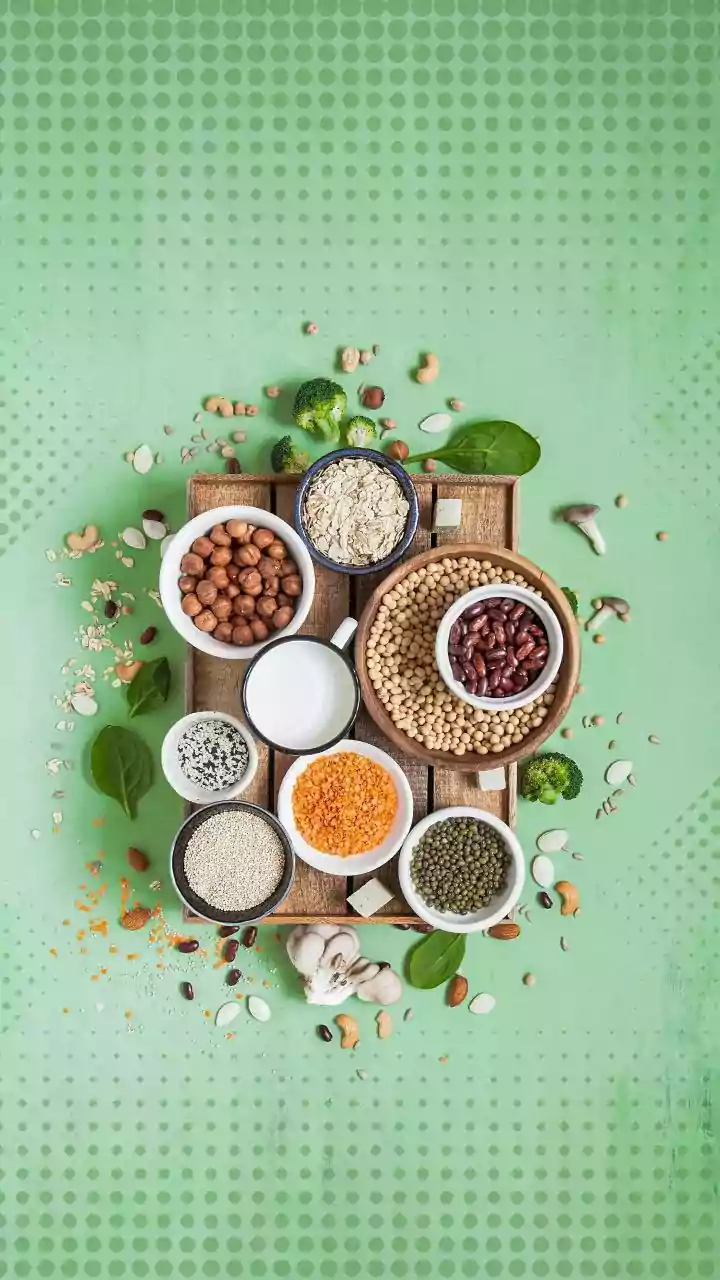






We often hear that we should eat more fibre, but what is it and why does it matter so much? This essential nutrient, found in plants, plays a huge role in our overall health, from digestion to disease prevention. Here's a simple guide.
What Is Dietary Fibre?
Dietary fibre is
the part of plant-based foods that your body can't digest or absorb. Unlike other food components like fats, proteins, or carbohydrates, which your body breaks down, fibre passes relatively intact through your stomach and small intestine and into your colon. While it may sound unimportant because it isn't digested, its journey through your system is what makes it so beneficial for your health. Most adults should aim for about 25 to 30 grams of fibre per day, but many people don't get nearly enough.
The Two Key Types of Fibre
Fibre isn't a single substance; it comes in two main forms, and both are important. Most plant foods contain a mix of both. The first is soluble fibre, which dissolves in water to form a gel-like substance in your digestive tract. This gel can help lower blood cholesterol, stabilise blood sugar levels, and makes you feel fuller for longer. The second is insoluble fibre, which does not dissolve in water. It adds bulk to your stool, helping it pass more quickly and easily through your intestines, which is crucial for preventing constipation.
The Health Benefits of Fibre
A high-fibre diet is linked to numerous health advantages. It promotes regular bowel movements and can prevent conditions like constipation. By helping you feel full, it can aid in weight management by preventing overeating. Soluble fibre plays a significant role in heart health by helping to lower 'bad' LDL cholesterol levels. It also slows the absorption of sugar, which helps to control blood sugar levels, a key benefit for people with diabetes. Furthermore, a healthy fibre intake supports a thriving gut microbiome, which is linked to better immunity and reduced inflammation.
Fibre-Rich Grains and Millets
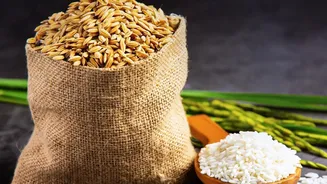
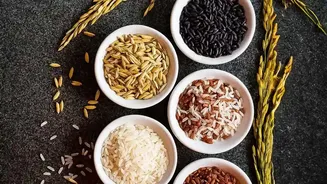
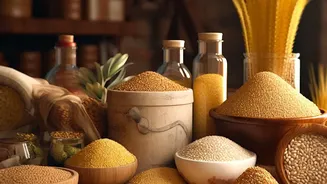
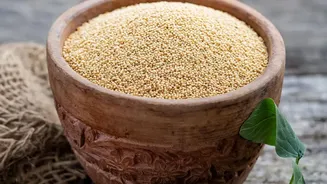
Many staple grains in Indian cuisine are excellent sources of fibre. Instead of refined flour (maida), opt for whole wheat flour (atta), which is used to make rotis and parathas. Millets like bajra (pearl millet), jowar (sorghum), and ragi (finger millet) are packed with fibre and are fantastic alternatives to white rice. Oats and barley (jau) are also great choices, especially for breakfast. Even switching from white rice to brown rice can significantly increase your daily fibre intake.
Load Up on Lentils and Legumes
Dals and legumes are fibre powerhouses and a cornerstone of Indian vegetarian diets. Whole pulses generally contain more fibre than their split (dal) versions. Rajma (kidney beans), chana (chickpeas), whole moong (green gram), and masoor (lentils) are all fantastic sources. A single serving or katori of cooked chana or rajma can provide a substantial amount of your daily fibre needs. Adding these to your curries, salads, and soups is an easy way to boost your consumption.
Eat a Rainbow of Fruits and Vegetables
Fruits and vegetables are full of vitamins, minerals, and, of course, fibre. Guava is one of the top fruits for fibre content, along with pears, apples (with the skin on), and bananas. When it comes to vegetables, bhindi (okra), green peas, carrots, and leafy greens like spinach (palak) and fenugreek (methi) are great options. Eating a variety of colourful produce ensures you get a good mix of both soluble and insoluble fibres.
Don't Forget Nuts and Seeds
Nuts and seeds are a simple way to add an extra crunch and a dose of fibre to any meal. Flaxseeds (alsi) and chia seeds are exceptionally high in fibre. You can sprinkle them on yoghurt, add them to smoothies, or mix them into your breakfast cereal. Almonds are another excellent snack that provides a good amount of fibre along with healthy fats and protein. A small handful can help keep you full between meals.