




What Are AI Tutors?
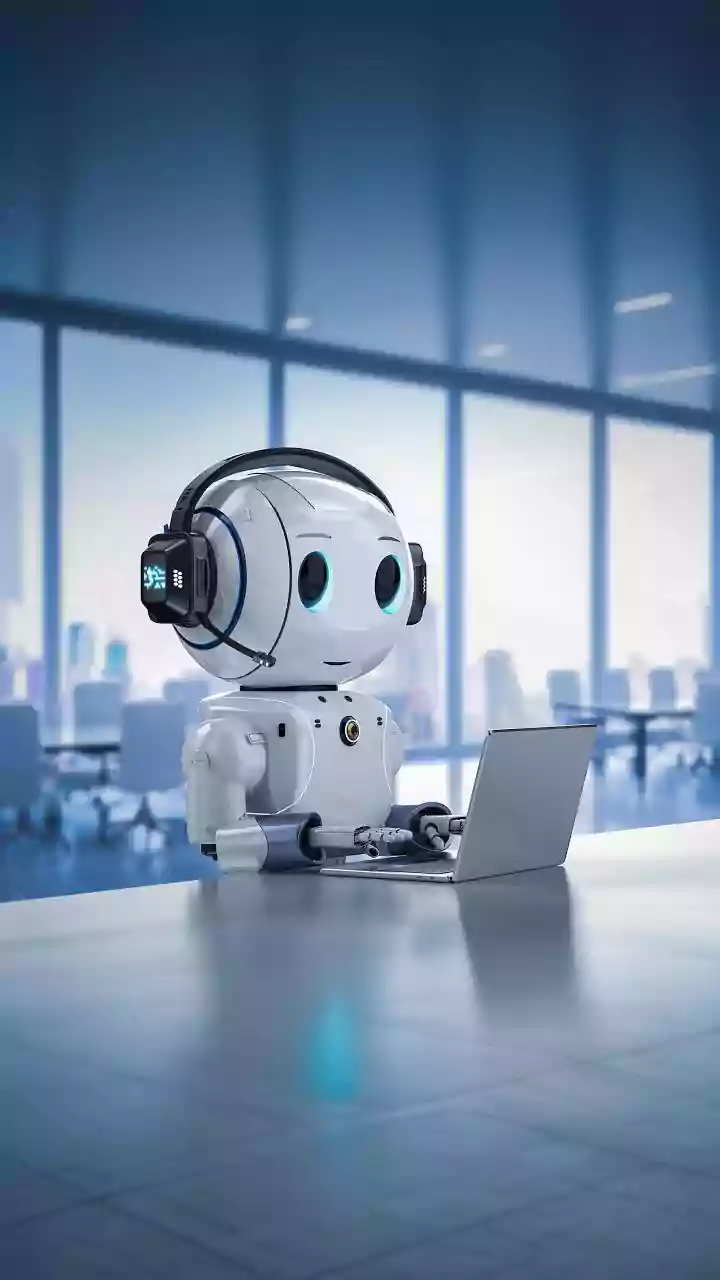
Forget the clunky educational software of the past. The new generation of AI tutors are sophisticated, responsive, and deeply personalized learning companions. Powered by the same large language models (LLMs) behind technologies like ChatGPT, these platforms
are designed to go beyond simple question-and-answer formats. They act as Socratic guides, engaging students in conversation, breaking down complex topics into digestible chunks, and adapting their teaching style to each individual user. Unlike a pre-programmed app, these tutors can generate novel explanations, create unique practice problems, and tailor their feedback on the fly, creating a one-on-one learning experience that was previously only available from a human tutor.
The Magic of Real-Time Metrics
The headline feature of these systems is their ability to 'read' a student's performance in real time. This is far more than just tracking right or wrong answers. The AI is monitoring a host of subtle signals. How long does a student hesitate before answering a maths problem? Do they consistently make the same type of grammatical error in their writing? Do they skip video explanations about a particular physics concept? These data points are the 'real-time performance metrics'. The AI analyses these patterns to build a dynamic profile of the student's strengths, weaknesses, and even their confidence level. If a student is breezing through a topic, the AI will introduce more challenging material. If they are struggling, it will slow down, offer simpler analogies, or suggest foundational concepts to review, all without the student ever having to ask.
The Promise of Hyper-Personalization
For a country as diverse as India, with crowded classrooms and a wide spectrum of learning needs, the potential is enormous. The primary promise of AI tutors is to break the 'one-size-fits-all' model of education. A student in a rural village with internet access could receive the same quality of supplementary instruction as a student in a major metro. For those preparing for hyper-competitive exams like JEE or NEET, an AI tutor can provide limitless, targeted practice, identifying and drilling weak points with relentless efficiency. For a student who is shy or afraid of being judged in class, the anonymity of an AI provides a safe space to make mistakes and learn at their own pace. It democratizes the concept of personalized attention.
The Unseen Risks and Concerns
However, this technological leap is not without significant risks. The most pressing concern is data privacy. These platforms collect vast amounts of sensitive data on a child's learning process and cognitive abilities. Who owns this data? How is it being protected? Could it be used to profile students in ways that limit their future opportunities? Furthermore, there is the risk of deepening the digital divide. While the technology promises to democratize learning, it relies on stable internet and access to devices—luxuries still not universally available across India. Over-reliance on AI could also potentially weaken critical thinking skills and the invaluable social-emotional learning that happens through interaction with human teachers and peers. The AI is a tool, not a replacement for human connection and mentorship.
The Road Ahead for India
The integration of AI into Indian education is already beginning. Platforms like Khan Academy's Khanmigo are being piloted, and numerous domestic ed-tech startups are racing to build their own localized AI tutors. The National Education Policy (NEP) 2020 itself emphasizes the use of technology and AI to transform learning. The key will be implementation. For these tools to be a force for good, there needs to be a strong regulatory framework governing data usage, a concerted effort to ensure equitable access, and a focus on using AI to augment, not replace, our excellent human teachers. The goal isn't to create robot learners; it's to use technology to help every student reach their unique potential.