






Beyond the Concrete Jungle
For many in India's booming tech sector, the daily grind in cities like Bengaluru, Pune, and Gurugram was once an accepted reality. However, the widespread adoption of remote work has prompted a mass exodus from monotonous urban life. Professionals are
now seeking environments that offer a better work-life balance, reduced living costs, and a chance to escape burnout. The promise of swapping traffic-clogged commutes for serene morning walks along a river is a powerful motivator. This desire for a lifestyle upgrade, combining productivity with peace, has led many to the mountains, with Kasol becoming a prime destination for this new tribe of digital nomads.
Kasol’s Magnetic Charm
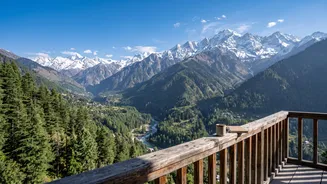
Kasol, often dubbed the 'Mini Israel of India', has long been a haven for backpackers, but its appeal for remote workers is a more recent phenomenon. Nestled on the banks of the Parvati River, the hamlet's stunning natural beauty, crisp mountain air, and laid-back bohemian vibe provide a perfect backdrop for creativity and focused work. The existing infrastructure for travellers, combined with its mystical Himalayan setting, makes it an ideal place for those looking to disconnect from chaos without sacrificing connectivity. The slow pace of life here is a welcome antidote to the high-pressure environment of the tech industry, allowing professionals to recharge and find new inspiration.
The Anatomy of a Workation Hostel
To cater to this growing demand, hostels in Kasol have evolved far beyond simple dorm beds. They have transformed into full-fledged co-working and co-living ecosystems. The most crucial amenity is, without a doubt, reliable high-speed Wi-Fi, often with power backup to navigate the region's occasional electricity cuts. Many hostels now feature dedicated co-working zones with comfortable, ergonomic seating, ample charging ports, and quiet areas designed for deep focus. Beyond the desk, these establishments offer in-house cafes serving everything from local Himachali dishes to international fare, ensuring that professionals can refuel without venturing far. They provide the essential infrastructure that makes long-term remote work in the mountains not just possible, but comfortable and productive.
Forging the Digital Nomad Community
What truly sets these hostels apart is their focus on building a community. The isolation that can sometimes accompany remote work is actively countered through curated social activities. Common areas are designed to encourage interaction, from cozy lounges and riverside seating to communal kitchens. Hostels frequently organise events like bonfire nights, group treks to nearby villages like Chalal or Tosh, movie screenings, and music jam sessions. These shared experiences are the glue that turns a group of strangers into a tight-knit community. It's during these moments—sharing stories around a fire or helping a fellow traveller plan a hike—that professional networking organically blends with genuine friendship.
The Tech Tribe of Parvati Valley
The result is a unique, self-sustaining ecosystem of tech professionals in the heart of the Himalayas. It’s not uncommon to find a software developer from one company debugging code with a cybersecurity expert from another, or a UX designer brainstorming ideas with a digital marketer over a cup of tea at a riverside cafe. This collaborative spirit extends beyond professional help into a support system. People share tips on the best local cafes with stable internet, plan weekend trips together, and offer a sense of camaraderie that many miss from a traditional office. This blend of professional synergy and personal connection is what transforms a simple workation into a memorable community experience.