








The Unseen Burden of Beauty
The growing popularity of trekking in the Indian Himalayas has an unfortunate side effect: a crisis of waste. Tourism in the region generates an astounding amount of trash annually, with some reports suggesting figures in the millions of tonnes. This
includes everything from plastic bottles and food wrappers to discarded camping gear. Unlike in cities, there are no vast landfills or efficient waste management systems in these remote, high-altitude areas. What is left behind often stays, polluting streams, harming wildlife, and marring the pristine landscapes that draw travellers in the first place. The fragile alpine ecosystem, which is not equipped to handle non-biodegradable waste, suffers immensely. Animals like Himalayan brown bears have been found to have diets consisting largely of scavenged waste, which is a devastating indicator of the problem's scale.
The 'Leave No Trace' Philosophy
At the heart of eco-conscious trekking is a simple yet powerful set of ethics known as the 'Leave No Trace' principles. This philosophy guides adventurers to minimize their environmental impact. The core idea is to take only memories and leave only footprints. This involves meticulous planning, respecting wildlife, and, most critically, managing waste. The golden rule is: if you carry it in, you must carry it out. This applies to every single item, from snack wrappers and tissues to organic waste like fruit peels, which decompose very slowly at high altitudes. Responsible trekking isn't just about not littering; it’s about actively working to leave a place better than you found it, which some trekkers do by picking up existing trash along the trails.
Your Guide to a Zero-Waste Trek
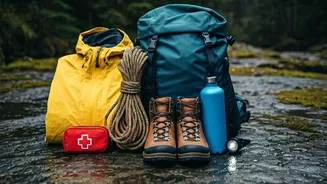
Becoming a zero-waste trekker starts before you even set foot on the trail. Begin by eliminating single-use plastics from your packing list. Instead of buying bottled water, carry a reusable bottle, preferably with a built-in filter, to safely drink from natural water sources. Pack snacks in reusable containers instead of plastic bags. When it comes to toiletries, opt for biodegradable soaps, shampoos, and toothpaste to avoid contaminating water sources. Many conscious trekkers also carry a dedicated 'eco-bag' or waste pouch to collect all their personal trash, as well as any other litter they find. It’s a small addition to your pack that makes a huge difference in preserving the trail's cleanliness.
Choosing Operators Who Make a Difference
Your choice of trekking operator can be one of the most impactful decisions you make. Many companies in India are now building their operations around sustainability. These eco-conscious operators adhere strictly to Leave No Trace principles, often providing trekkers with kits and training for responsible waste management. They use reusable utensils instead of disposables, employ local staff to support the regional economy, and may use eco-friendly facilities like bio-toilets to manage human waste. Some companies go a step further by organising dedicated clean-up drives and collaborating with local village councils on waste management solutions. By choosing an operator that prioritizes the environment, you are directly funding and encouraging these vital conservation efforts.
Supporting the Changemakers on the Ground
Beyond individual actions, several non-profit organizations are leading the charge against pollution in the Himalayas. Groups like Healing Himalayas Foundation and Waste Warriors have been instrumental in organising large-scale clean-up drives, installing dustbins, and educating local communities about waste segregation. Healing Himalayas, for instance, has removed thousands of kilograms of waste by working with volunteers and local bodies. Trekking companies like Indiahikes, with its 'Green Trails' initiative, have also developed systematic solutions for managing waste generated on treks. Trekkers can support these organisations by volunteering for clean-up missions, donating, or simply spreading awareness about their work. Supporting these initiatives helps build a systemic, long-term solution to the waste crisis.