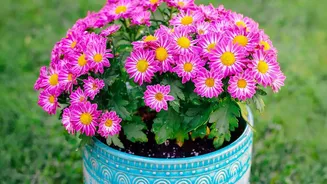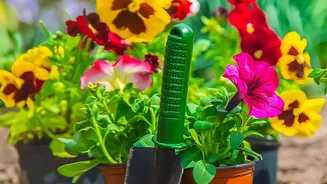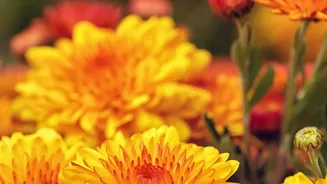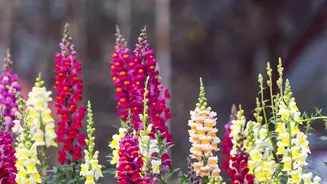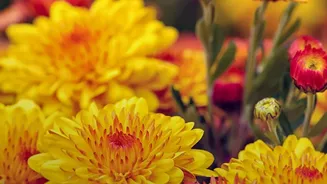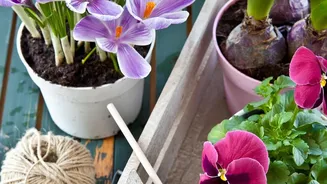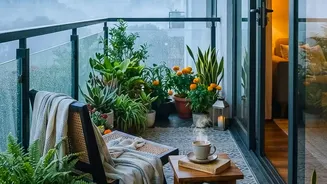


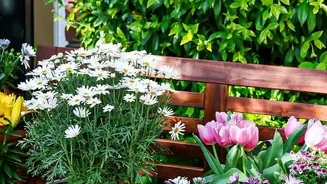
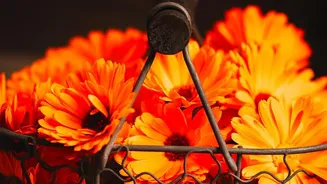

As winter arrives, many gardens lose their lustre. But your balcony doesn't have to look bare. With their vibrant hues and hardy nature, chrysanthemums, or 'Guldaudi', are the perfect choice to create a stunning floral display.
The Star of the Winter Garden
Chrysanthemums are one of
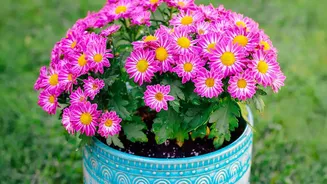
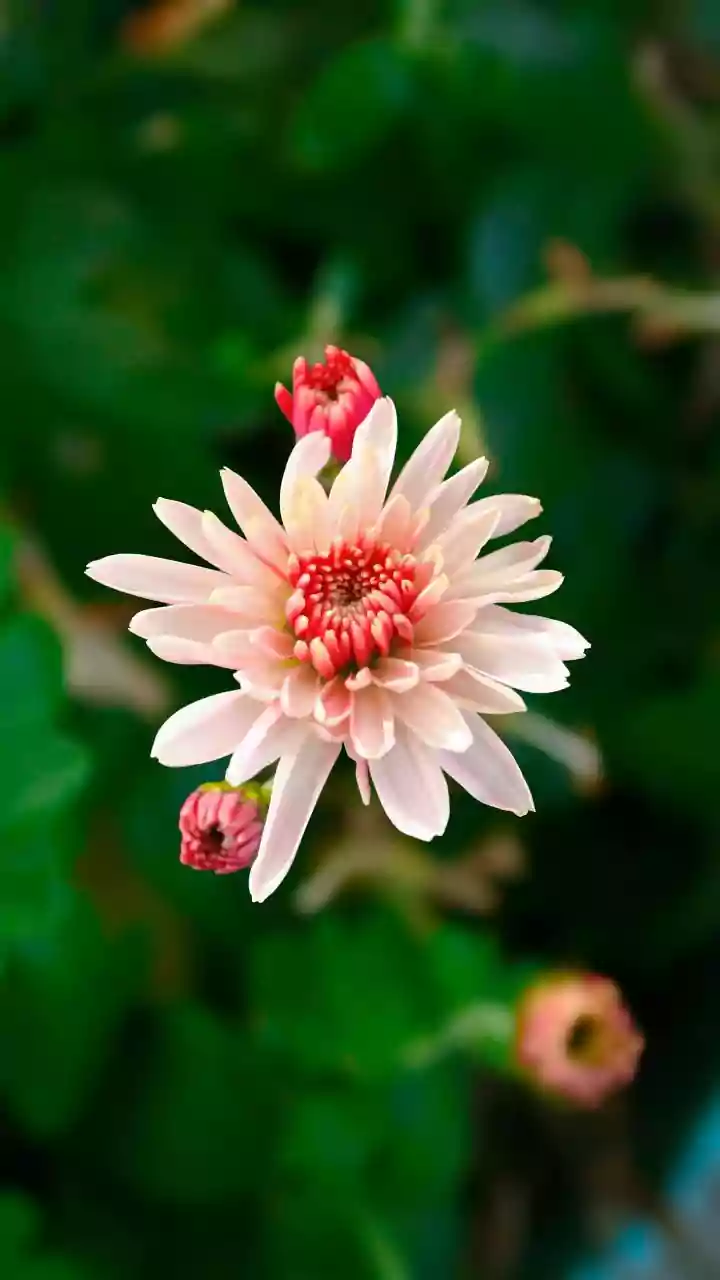
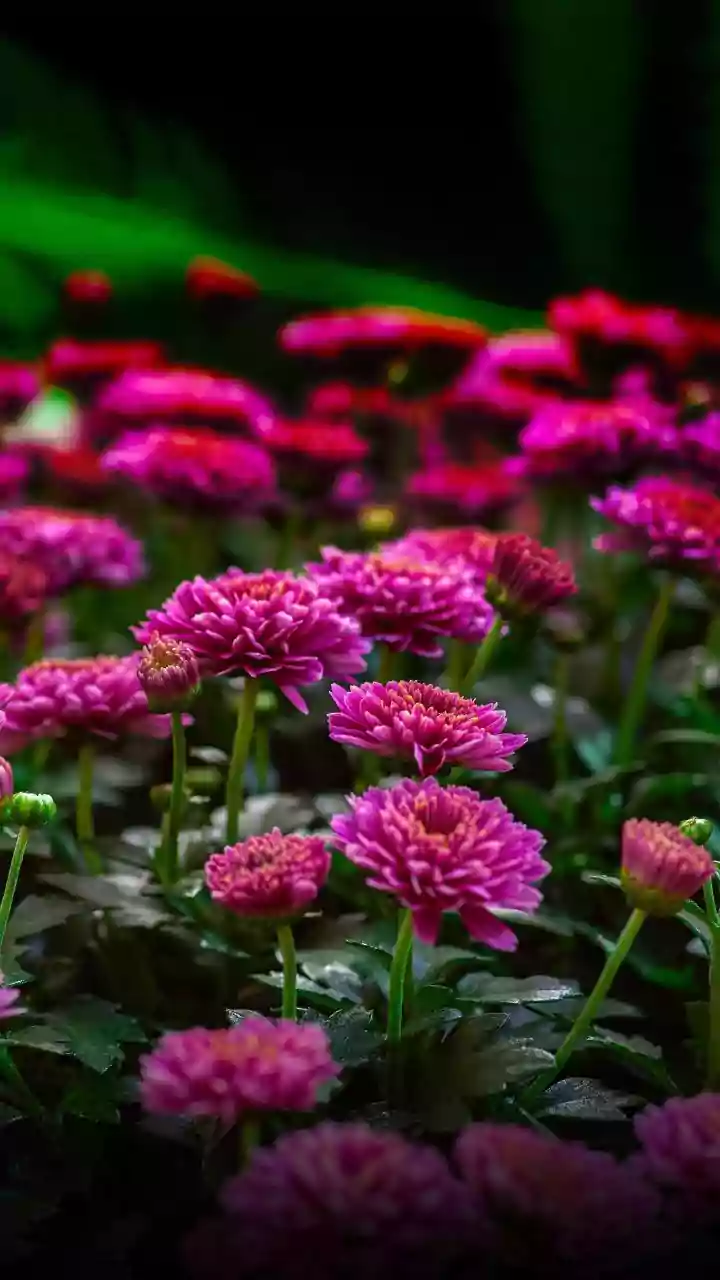
India's most beloved winter-flowering plants for good reason. Known popularly as Guldaudi, Shevanti, or Chandramallika, these flowers bring a burst of colour—from bright yellows and deep maroons to pure whites and delicate pinks—when most other plants are dormant. They are perfectly suited for pot culture, making them ideal for urban gardeners with limited space. A single plant can produce dozens of flowers, turning a small balcony into a vibrant oasis. Beyond their beauty, they are symbols of happiness and optimism in many Indian households and are celebrated for their long-lasting blooms, which are also excellent as cut flowers.
Choosing the Right Chrysanthemum
When you visit a nursery, you'll find several types of chrysanthemums. For beginners, the Pompom and Button varieties, with their many small, round flowers, are an excellent and easy choice. Spray types, which have several medium-sized flowers per stem, are also great for smaller pots. When buying a plant, look for one with healthy, dark green foliage and firm stems. Choosing a plant with plenty of buds rather than fully open flowers will ensure you get to enjoy the blooming period for much longer. Some popular varieties available in India include Yellow Gold, Red Gold, and various white selections like Ratlam Selection.
Potting, Soil, and Sunlight
Chrysanthemums thrive with plenty of sunlight. A spot on your balcony that receives at least five to six hours of direct sunlight, especially morning sun, is ideal. These plants are what is known as 'short-day' plants, meaning they require long, dark nights to set buds, which is why they naturally bloom in winter. Avoid placing them under a bright artificial light at night, as this can delay flowering. For soil, drainage is the most critical factor to prevent root rot. A good potting mix can be made with one part garden soil, one part compost or well-rotted cow dung manure, and one part cocopeat or sand to ensure it remains loose and well-draining. A 10 to 12-inch pot is a suitable size for a single plant, and terracotta pots are a great choice as they are porous and help keep the roots cool.
Watering and Feeding for Abundant Blooms
Overwatering is a common mistake. Chrysanthemums like consistently moist soil, but not soggy conditions. The best way to check is to stick your finger about an inch into the soil; if it feels dry, it's time to water. Water the plant at its base, avoiding the leaves and flowers to prevent fungal diseases. During the peak winter months, you may need to water every couple of days, but always check the soil first. When the plant is actively growing and before it sets buds, you can feed it with a balanced liquid fertiliser every two to three weeks. Once buds begin to form, switch to a fertiliser that is higher in phosphorus and potassium to encourage bigger, more vibrant flowers.
Pinching, Deadheading, and Pest Control
To encourage a bushier plant with more flowers, 'pinching' is essential during the early growth stage. When the plant is about 6 inches tall, simply pinch off the top inch of each stem. Repeat this every few weeks until around mid-November, after which you should let the buds develop. Once the flowers start to fade, be sure to deadhead them by snipping them off. This encourages the plant to direct its energy into producing new blooms. Keep an eye out for common pests like aphids, which are small insects that cluster on new shoots and buds. A simple spray of neem oil solution every 10-15 days can effectively keep them at bay. Ensuring good air circulation around the plant also helps prevent pests and diseases.