




Understanding Gold Purity: Karats vs. Fineness
The first concept to grasp is purity. Gold's purity is measured in karats (K). Pure gold is 24 karats, meaning all 24 parts of the metal are gold. However, you'll often see 22K or 18K gold. An 18K piece, for example, is 18 parts gold and 6 parts other
metals, making it 75% pure gold. The lower the karat number, the lower the percentage of gold. Investment-grade gold, like coins and bars, often uses a more precise system called 'fineness,' which measures purity in parts per thousand. Gold that is 99.9% pure is marked with a fineness of 999, while 99.99% pure gold is marked as 999.9. Both 999 and 999.9 fineness are considered 24K gold.
Why Jewellery Is Rarely Pure Gold
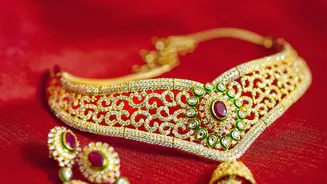
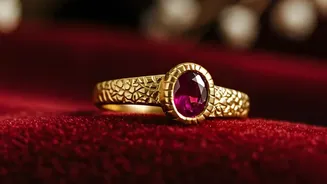
If 24K is the purest, why isn't all jewellery made from it? The answer is simple: durability. Pure 24K gold is extremely soft and malleable. Its hardness is comparable to that of a human fingernail. If made into a ring or bracelet for daily wear, it would scratch, dent, and lose its shape very quickly. Delicate settings meant to hold gemstones would bend, putting the stones at risk of falling out. To counteract this, jewellers create alloys by mixing pure gold with stronger metals like copper, silver, zinc, or nickel. This process increases the item's hardness and resilience, making it suitable for everyday wear. This is why 18K and 22K gold are popular choices for fine jewellery, offering a balance between high gold content and practical strength.
Coins and Bars: Gold as a Pure Investment
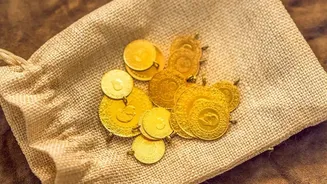
Gold coins and bars, often called bullion, serve a different purpose. They are not designed for adornment but as a vehicle for investment. Their primary function is to store value in a compact, easily tradable form. For this reason, investment coins are typically minted at the highest possible purity, most commonly 24K (99.9% or 99.99% fine). Popular examples include the Canadian Gold Maple Leaf and the American Gold Buffalo. Since these items are meant for storage rather than wear, their softness is not a significant drawback. The focus is on maximising the pure gold content for a given weight, ensuring their value is directly tied to the global market price of gold.
The Impact on Resale Value
The difference in purity and purpose directly impacts what you get back when you sell. When you buy jewellery, a significant portion of the price includes 'making charges,' which cover the craftsmanship, design, and labour. These charges can start from 8% and go much higher for intricate designs. However, when you resell the jewellery, you are typically paid only for the value of the pure gold content, not for the making charges you initially paid. This can result in a significant loss from your purchase price. Gold coins, on the other hand, have very low making charges, sometimes between 3% and 11%. Because their value is almost entirely based on their high-purity gold content, their resale value closely tracks the market price of gold, making them a more efficient investment.
What Should You Buy? A Buyer's Guide
The right choice depends entirely on your goal. If your primary objective is investment—to preserve wealth and achieve financial returns—gold coins are the superior option. They offer higher purity, lower additional costs, and a more transparent resale process. You get more gold for your money and are more likely to profit from an increase in gold prices. If you are buying for adornment, cultural significance, or to wear your investment, then jewellery is the natural choice. It serves a dual purpose of being a beautiful object and a store of value. However, it's crucial to understand that you are paying a premium for design and craftsmanship, which you will not recover upon resale. Always look for BIS hallmarking on jewellery to verify its purity and insist on a detailed bill that specifies the gold's karat, weight, and the making charges applied.