






Remember 'revenge travel'? The post-pandemic rush to go anywhere, at any cost. Many thought that chaotic wave was over. But as deferred trips get a second look, a new, smarter version of revenge travel is making a surprising comeback.
The Evolution of Travel's 'Revenge'
The term 'revenge
travel' first entered our vocabulary around 2022. It described the global phenomenon of people booking long-delayed holidays to 'take revenge' on the pandemic for lost time. It was a frantic, almost desperate urge to go anywhere, simply because it was possible again. The defining characteristic was urgency, often at the expense of budget or convenience. However, many travel experts declared this phase over by early 2026, suggesting the fever had broken. What we are seeing now is different. It’s less about a frenzied escape and more about a deliberate decision to finally take trips that were put on hold, not just by the pandemic, but by more recent economic and geopolitical uncertainties. This new wave is more planned, more purposeful, and being dubbed 'Revenge Travel 2.0'.
From Pent-Up Demand to Purposeful Journeys
So, why the comeback now? The initial surge was a direct reaction to lockdowns. Today's trend is fuelled by a different set of psychological triggers. Travellers are no longer just seeking freedom; they are seeking fulfillment. Many are reconsidering trips that were deferred due to rising costs or global instability, refusing to postpone joy any longer. For Indian travellers, in particular, key motivations for 2026 include relaxation, cultural exploration, and outdoor adventure. There is also a significant rise in multi-generational travel, as families make up for lost time by planning bigger trips that cater to all ages. It's a shift from 'I have to get away' to 'I want to experience this with people I care about'.
The Indian Traveller's New Itinerary
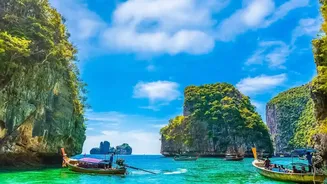
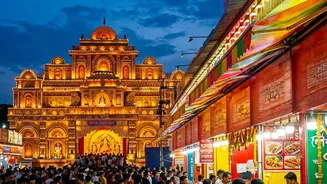
This evolving trend is clearly visible in India. While international trips are popular, there's a powerful and growing focus on domestic exploration. More than a third of Indian travellers plan to explore more within the country this year, a notable increase from 2025. This isn't just about visiting the usual hotspots. Travellers are seeking authentic local experiences, which has led to a boom in alternative accommodations like homestays that offer a deeper connection to local culture and food. Reports show that a majority of Indian travellers now plan holidays specifically around cultural heritage, festivals, and food. For the current festive season, search trends show high interest in international destinations like Bangkok, Phuket, and Tokyo, alongside domestic favourites such as Goa, Udaipur, and Puri.
Smarter Planning for a Pricier World
One of the biggest differences in this new wave of travel is the approach to planning. With travel costs like airfare significantly higher than a year ago, travellers are forced to be more strategic. The 'book_it_at_any_cost' mentality is gone. In its place is a more intentional mindset. According to industry research, a vast majority of people are now booking their trips at least two months in advance to secure better prices and availability. Value is a key priority. For many Indian travellers, this translates to planning shorter, more frequent getaways of about 4–7 days and keeping a conscious eye on accommodation costs. People are also actively avoiding overcrowded destinations and travelling during shoulder seasons to get more value and a better experience for their money.