



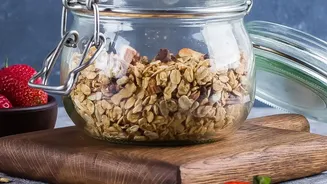
1. Flax Seeds (Alsi)
Flax seeds, known locally as Alsi, are a nutritional powerhouse for blood sugar management. They are exceptionally rich in both soluble and insoluble fibre. The soluble fibre is particularly beneficial as it slows down the digestion and absorption of
carbohydrates, which helps prevent sharp spikes in blood sugar after your meal. Flax seeds are also a leading plant-based source of alpha-linolenic acid (ALA), an omega-3 fatty acid known for its anti-inflammatory properties, which can improve insulin sensitivity. For the best results, consume flax seeds in their ground or milled form. The tough outer shell of the whole seed can be difficult to digest, but grinding them makes their rich fibre and omega-3s more available for your body to use. A tablespoon stirred into your porridge is an easy way to reap their benefits.
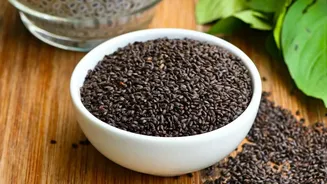
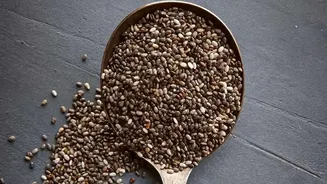
2. Chia Seeds
These tiny black and white seeds have gained immense popularity for a reason. Like flax, chia seeds are incredibly high in soluble fibre, which is the star player in blood sugar regulation. When mixed with a liquid like milk or water in your porridge, chia seeds absorb it and form a gel-like substance. This gel slows down the digestive process, leading to a more gradual release of glucose into your bloodstream. Studies have shown that this effect can significantly reduce post-meal blood sugar spikes. Beyond fibre, chia seeds are a complete protein and are packed with essential minerals like magnesium, which plays a vital role in how your body uses insulin. Soaking them for a few minutes before eating is recommended to allow the gel to form.
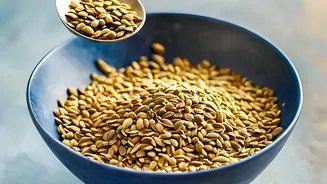
3. Pumpkin Seeds (Kaddu Ke Beej)
Also known as pepitas, pumpkin seeds are a delicious and crunchy topping that offers significant metabolic benefits. They are one of the best natural sources of magnesium, a mineral that is crucial for over 600 chemical reactions in the body, including regulating blood sugar levels. Many people do not get enough magnesium in their diets, and higher intake is linked to a lower risk of type 2 diabetes. The high content of healthy fats, protein, and fibre in pumpkin seeds also helps to promote satiety and prevent the rapid glucose fluctuations that can follow a carbohydrate-heavy meal. Their glycemic index is very low, meaning they have a minimal impact on blood sugar when consumed. A small handful sprinkled over your morning bowl adds a satisfying texture and a wealth of nutrients.
4. Sunflower Seeds (Surajmukhi Ke Beej)
Sunflower seeds are another excellent low-glycemic addition to your breakfast. They have a glycemic index of around 20–35, which is considered low and means they won't cause a sharp rise in your blood sugar. These seeds provide a good mix of protein, healthy fats, and fibre, a combination that slows digestion and promotes stable energy levels. What makes them stand out is their high content of Vitamin E, a powerful antioxidant that helps combat inflammation and oxidative stress, which are often concerns in managing metabolic health. They are also another good source of magnesium, further supporting insulin function. To avoid unnecessary sodium, opt for unsalted, raw, or dry–roasted sunflower seeds to sprinkle on your porridge.
5. Sesame Seeds (Til)
Commonly found in Indian kitchens, sesame seeds (til) are more than just a garnish. They are a good source of protein and healthy fats, which contribute to a feeling of fullness and help buffer the carbohydrate response from your oats. These seeds are celebrated for their unique compounds, including lignans like sesamin, which possess antioxidant properties. While more research is always ongoing, the combination of fibre, healthy fats, and protein makes sesame seeds a smart addition to a blood–sugar–conscious diet. They also provide essential minerals like calcium, iron, and magnesium. Lightly toasting them can enhance their nutty flavour before you sprinkle them onto your morning porridge for an added crunch and nutritional boost.