

A Conscious Choice Against Fast Fashion
One of the biggest drivers behind the handloom revival is a growing awareness of sustainability. Younger consumers, particularly Gen Z and millennials, are increasingly questioning the environmental and ethical costs of mass-produced clothing. They are more
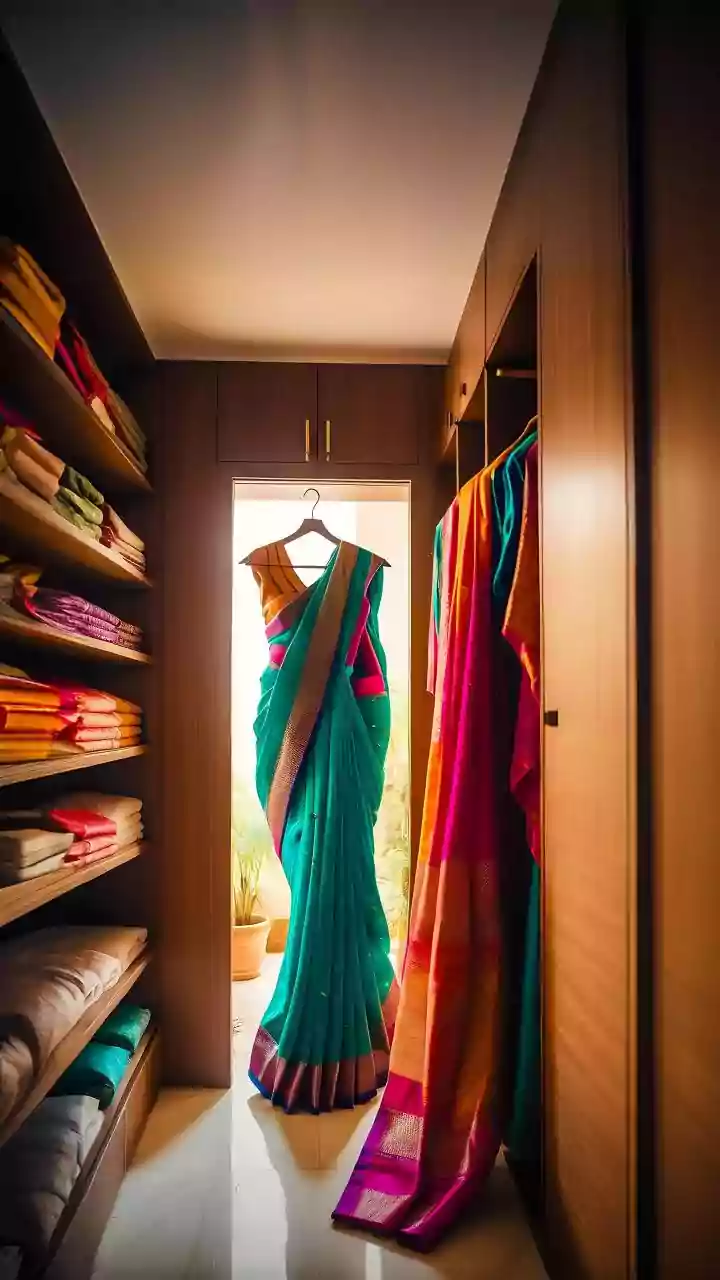
conscious of issues like water consumption, chemical dyes, and landfill waste associated with the fast-fashion industry. Handloom production, by its very nature, offers a compelling alternative. Woven on manually operated looms that consume little to no electricity, these textiles have a significantly smaller carbon footprint. The use of natural fibres like cotton and silk, and often natural dyes, also appeals to an eco-conscious mindset. For many, choosing a handwoven saree is a deliberate move towards 'slow fashion'—investing in quality, durability, and a production process that respects both people and the planet.
The Search for Authenticity and Identity
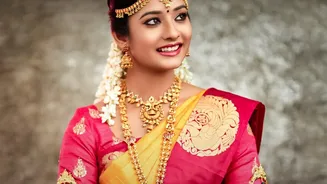
Beyond sustainability, the trend reflects a deeper cultural current: a desire to connect with heritage. For a generation raised in a globalised world, traditional textiles offer a tangible link to their roots. A handloom saree is more than just an outfit; it's a piece of history, carrying the stories of its weavers and the legacy of its region, whether it's a Banarasi silk, an Odisha Ikat, or a West Bengal Jamdani. This search for authenticity is a way to express individuality in a market saturated with uniform trends. Unlike mass-produced items, each handloom saree has subtle variations, a unique character that comes from being made by human hands. This individuality has become a badge of honour, a way of celebrating personal style and cultural identity simultaneously.
Social Media Makes the Saree Cool Again
The saree's resurgence owes a great deal to social media. Platforms like Instagram have become virtual runways where influencers and everyday users showcase the versatility of handloom. They demonstrate how to style sarees in fresh, contemporary ways: paired with sneakers, crop tops, jackets, or belts. This has dismantled the old stereotype of sarees being reserved for older generations or formal occasions. Influencers also play a key role in storytelling, sharing the 'behind-the-scenes' of the weaving process and highlighting the artisans who create the fabric. This creates an emotional connection between the consumer and the garment, turning a purchase into an act of cultural support. The saree has become a medium for self-expression, body positivity, and a global fashion statement.
Modern Styling and E-Commerce Accessibility
Designers and brands have been quick to embrace this trend, reinterpreting traditional weaves for a modern audience. They are creating lighter fabrics, minimalist designs, and contemporary colour palettes that appeal to younger tastes. Handloom is no longer just for sarees; it is being used to craft dresses, jackets, and co-ord sets. At the same time, the rise of e-commerce has been a game-changer. Online platforms and dedicated websites for handloom products have made it easier than ever for shoppers to discover and buy directly from weavers or cooperatives, often bypassing intermediaries. This digital bridge connects artisans in rural villages with consumers in bustling cities and even global markets, ensuring that these timeless crafts not only survive but also thrive in the modern economy.