
Footwear: Your Most Critical Decision
Let's start from the ground up, because your shoes are the single most important piece of gear. The terrain in popular trekking spots like the Sahyadris becomes incredibly slippery when wet. Standard sports shoes or sneakers are dangerous as they lack
the necessary grip on wet rock and mud. Instead, invest in a pair of trekking shoes with deep grooves on the sole for excellent traction. Whether to choose waterproof boots or quick-drying, non-waterproof ones is a common debate. Waterproof boots keep your feet dry from external water but can feel warm and get very heavy if water does get in. Quick-drying shoes with good drainage get wet but don't retain water, and when paired with synthetic socks, they can be very comfortable. For a first-timer, a good pair of high-ankle trekking shoes will provide crucial support and prevent ankle twists on uneven paths.
Rainwear: Your First Line of Defence
Getting drenched is not only uncomfortable, but it can also be dangerous, leading to a drop in body temperature. You have two main options: a rain jacket and pants, or a poncho. A good waterproof jacket (not just water-resistant) is a significant investment but offers the best protection and breathability. Look for jackets with sealed seams. For those on a budget or who trek occasionally, a poncho is a great alternative. A key advantage of a poncho is that it's large enough to cover both you and your backpack, offering complete protection in a downpour. Whatever you choose, make sure it's easily accessible in your bag.
The Golden Rule: Quick-Dry Everything
There's a common saying among trekkers: "cotton is rotten." Cotton fabric absorbs a huge amount of water and takes a very long time to dry, leaving you feeling cold and damp. For a monsoon trek, all your clothing should be made of quick-drying synthetic materials like polyester or nylon. This applies to your t-shirt and your trekking pants. These fabrics wick moisture away from your skin and dry quickly if you get caught in a shower. Avoid wearing jeans at all costs; they are heavy, restrictive, and become extremely uncomfortable when wet. Packing at least one extra pair of synthetic socks is also a small thing that can make a huge difference to your morale.
Backpack Protection: Keep Your Essentials Dry
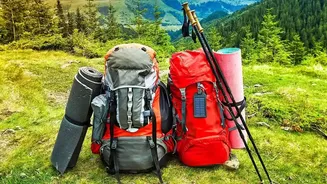
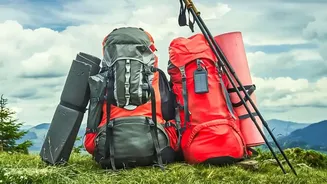
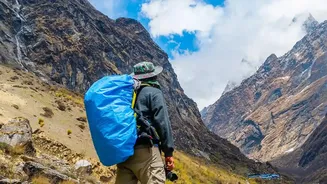
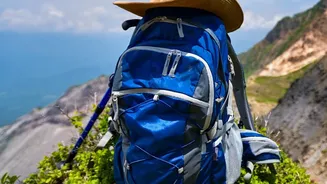
Even if you have the best rain jacket, your backpack and its contents are still vulnerable. Most modern trekking backpacks come with a built-in rain cover, usually tucked into a pocket at the bottom. This is an absolute must-have. For an extra layer of protection, line the inside of your backpack with a large plastic bag or use smaller dry bags to compartmentalise your belongings. This ensures that your electronics, first-aid kit, and spare dry clothes remain completely protected, even during a sustained downpour. It’s a simple trick that experienced trekkers swear by.
Crucial Accessories You Shouldn't Skip
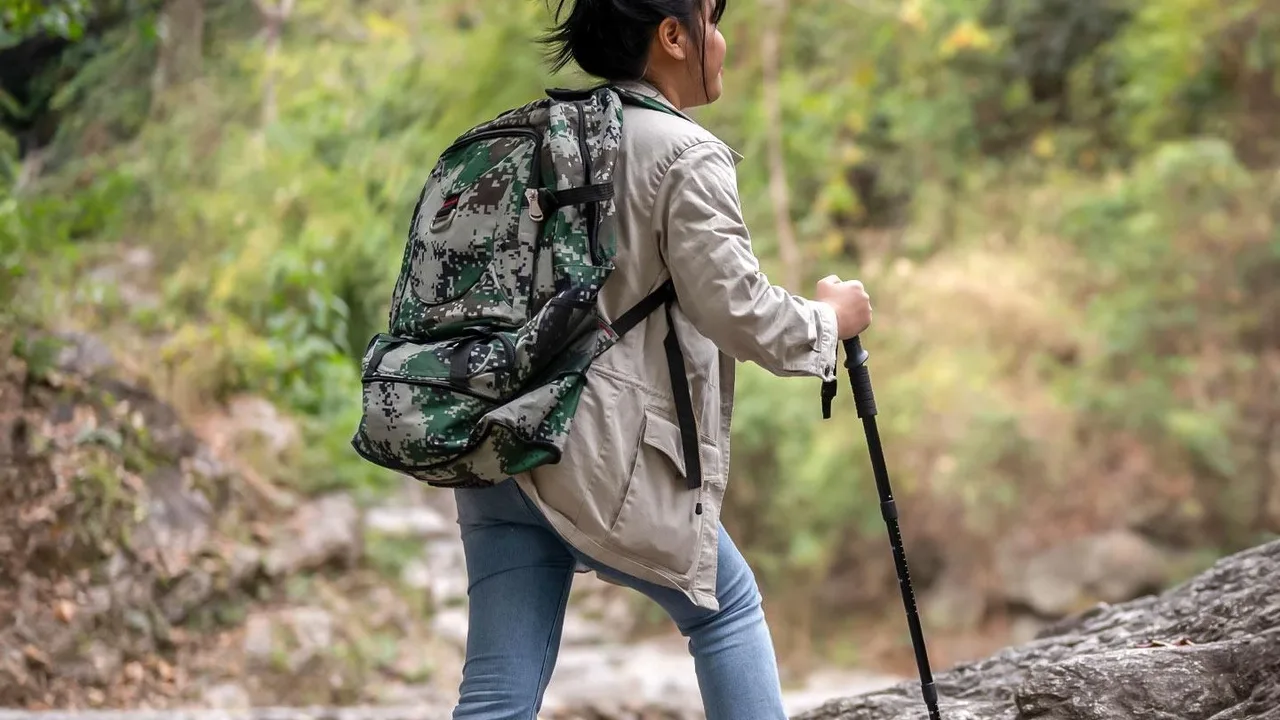
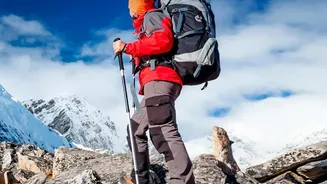
A few smaller items can make a massive difference in your safety and comfort. A trekking pole is highly recommended for first-timers. It provides a third point of contact with the ground, which drastically improves stability and balance on slippery, muddy trails and reduces strain on your knees during descents. A headlamp or torch is essential, even on a day trek, in case you are delayed and have to navigate in fading light. Pack a basic first-aid kit with antiseptic wipes, bandages, blister tape, and any personal medications. Lastly, carry at least two litres of water and some high-energy snacks like nuts, dates, or energy bars to keep you fuelled.