



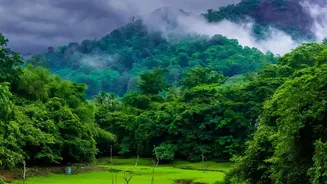

A Landscape Alive, A Landscape at Risk
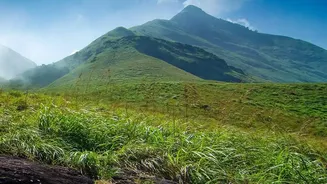
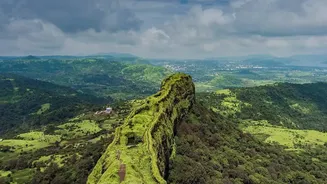
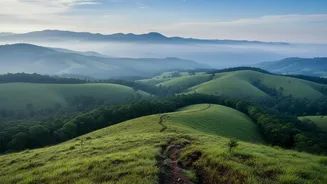
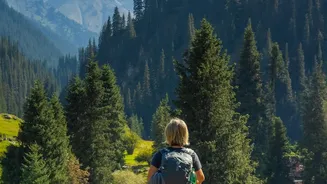
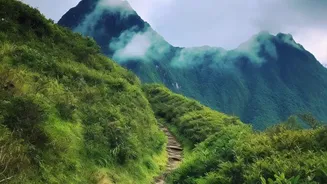
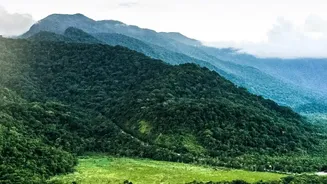
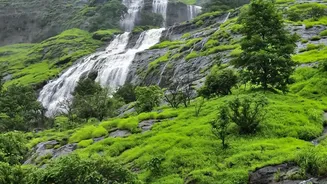
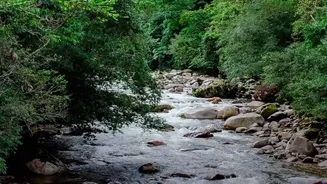
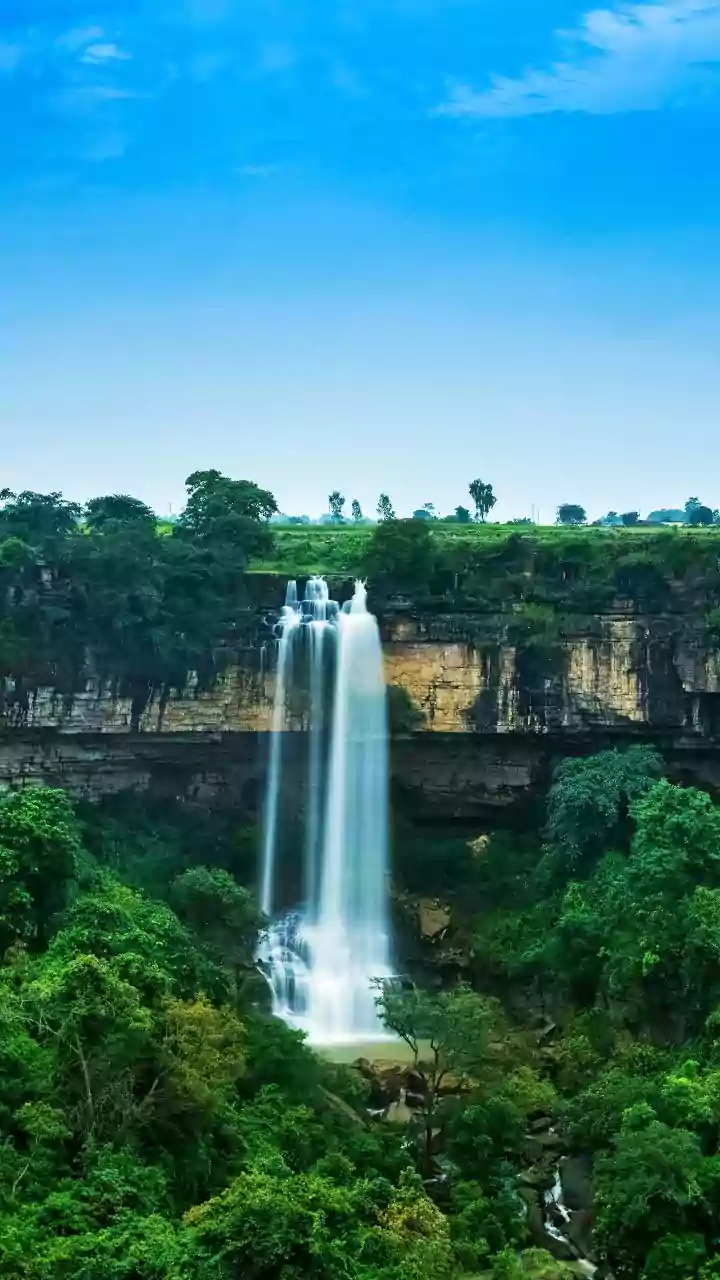
The Western Ghats, a UNESCO World Heritage Site, are one of the world's eight 'hottest' biodiversity hotspots. The monsoon rejuvenates this ancient landscape, bringing countless waterfalls and brooks to life and clothing the valleys in a thriving green
carpet. This explosion of life is what attracts trekkers, but the intense rainfall also makes the ecosystem extremely vulnerable. The same rains that create the beauty can, with human interference, accelerate environmental damage. Heavy foot traffic on saturated ground can lead to significant and sometimes irreversible harm, turning a place of wonder into a cautionary tale.
The Unseen Scars of Soil Erosion
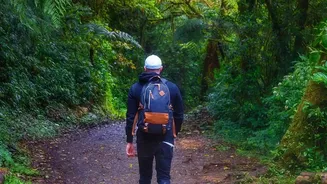
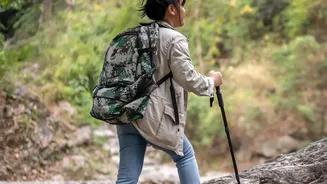
Every footstep on a wet trail matters. During the monsoon, the soil is saturated and soft, making it highly susceptible to erosion. When hikers stray from designated paths or create shortcuts, they trample vegetation that holds the soil together. This loosens the topsoil, which is then easily washed away by the heavy rains. This process, known as soil erosion, degrades the trail, widens it unnaturally, and contributes to landslides, which have become more frequent in the region. Studies have shown an alarming increase in soil loss in the Western Ghats over the past few decades, a trend that threatens the very foundation of this biodiversity hotspot. Sticking to the marked trail is the single most effective way for a hiker to prevent this type of damage.
The Plastic Problem in Paradise
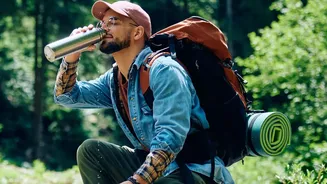
What you carry in, you must carry out. This is the golden rule of trekking, and it is doubly important during the monsoon. Many remote trekking trails lack proper waste disposal systems. Plastic wrappers, bottles, and other non-biodegradable waste left behind can persist in the environment for decades, choking streams and harming wildlife. During the monsoon, this problem is amplified as rain washes litter from the trails directly into rivers and other water sources. To combat this, many states have implemented strict rules, with some areas banning single-use plastics on trails altogether. Hikers should plan ahead by removing excess packaging from food items and carrying reusable water bottles and containers.
Protecting Wildlife and Their Habitats
The Western Ghats are home to a vast array of wildlife, much of which becomes more active during the monsoon. Loud noises, venturing off-trail, and camping in undesignated areas can disturb animals, disrupt their breeding patterns, and cause them undue stress. Feeding wild animals is particularly harmful, as it can make them dependent on humans and aggressive. Furthermore, it's essential to respect the flora. Picking flowers or taking plant cuttings can prevent species from reproducing and can damage the delicate balance of the ecosystem. The goal of a responsible trekker is to pass through the environment as an observer, leaving it exactly as it was found for others—and the wildlife—to enjoy.
New Rules for a New Reality
In response to growing environmental concerns and safety incidents, many states have introduced stricter regulations for trekking in the Western Ghats. In Karnataka, for instance, a 2026 update to trekking rules made it mandatory to book permits online through the Aranya Vihaara portal and to be accompanied by a certified guide, with a strict guide-to-trekker ratio. Daily caps on the number of trekkers have also been implemented on popular routes to reduce pressure on fragile ecosystems. Similarly, districts in Maharashtra often invoke legal sections to ban entry to high-risk waterfalls and forts during peak monsoon. These rules are not meant to discourage exploration but to ensure that tourism is sustainable, safe, and works in harmony with conservation efforts.