





Why The Early Monsoon Is Magical
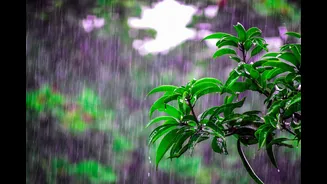
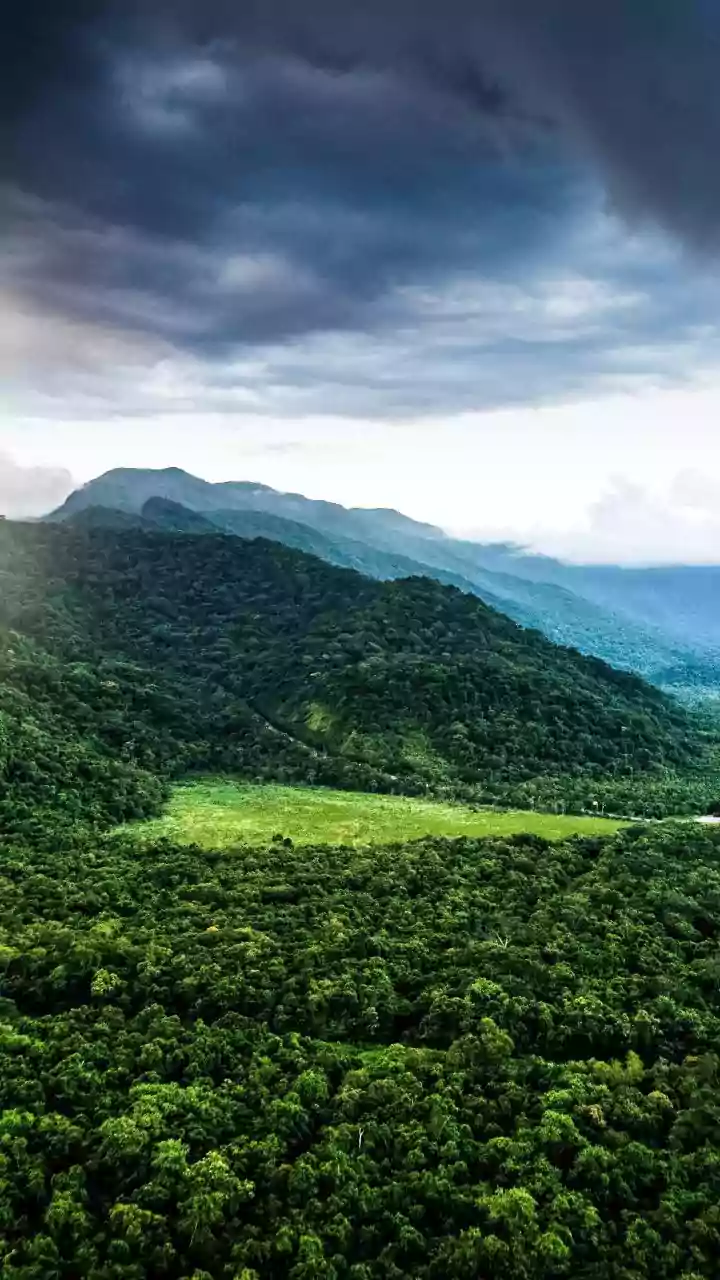
There's a special kind of magic that unfolds in Kerala’s Western Ghats as May turns to June. The pre-monsoon showers give way to the first consistent rains, washing the dust off every leaf and transforming the landscape into an impossible shade of emerald.
This isn’t the heavy, relentless downpour of peak monsoon. Instead, it’s a playful dance of sun and shower. One moment you're trekking under a bright sky, the next you're enveloped in a cool, misty drizzle. The air is crisp, the crowds are thinner than in peak tourist season, and nature feels like it’s taking a deep, refreshing breath. For the traveller seeking serenity over spectacle, this is the golden window. It's the perfect time to witness the rejuvenation of the forest, with streams beginning to swell and waterfalls regaining their voice after the dry summer months.
The Soul of Eco-Camping
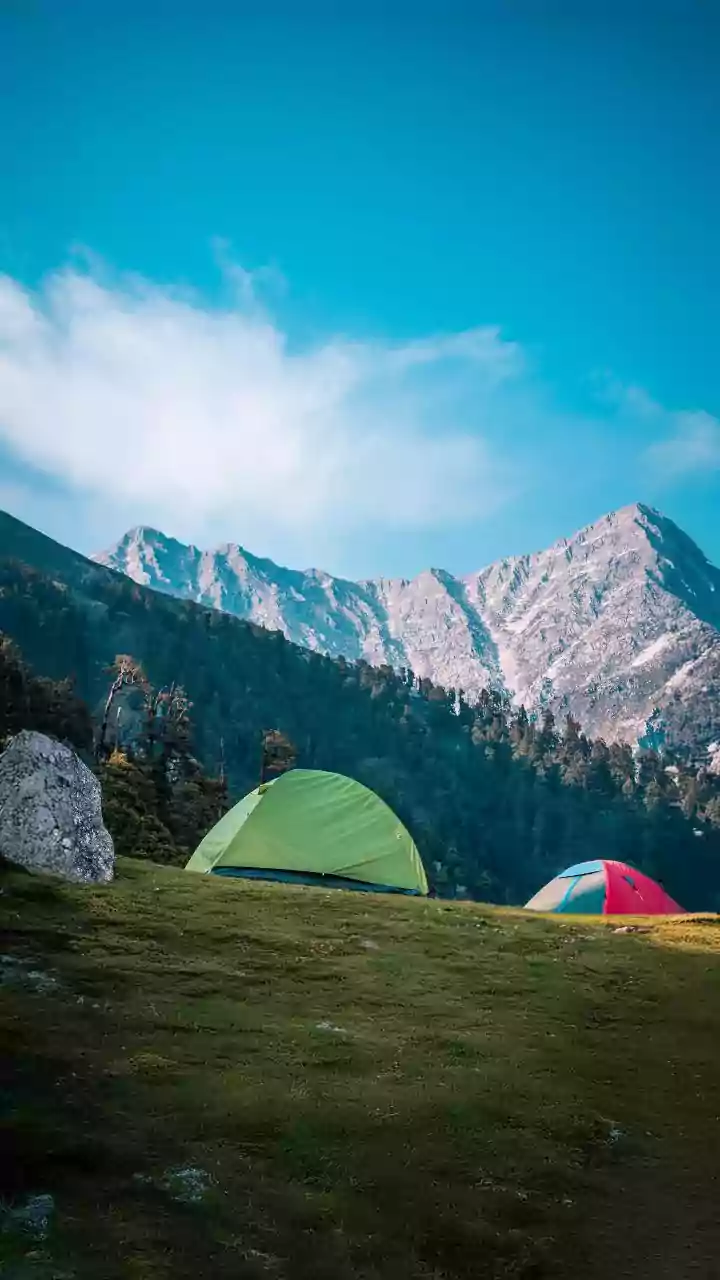
Eco-camping is more than just pitching a tent in a beautiful spot; it's a philosophy. It’s about immersing yourself in nature with minimal impact. Unlike a resort stay, eco-camping strips away the unnecessary luxuries to bring you closer to the land. Think simple, comfortable tents, often on raised platforms to protect the forest floor. Meals are typically prepared with local, seasonal ingredients, giving you a true taste of the region. The focus is on experience over extravagance. It means waking up to a chorus of Malabar whistling thrushes instead of an alarm clock, spending your days exploring forest trails, and your nights gathered around a responsible campfire, sharing stories under a sky thick with stars (on clearer nights). It’s an active choice to travel sustainably, often supporting local communities who act as guides and hosts, sharing their deep, ancestral knowledge of the forest.
A Day in the Green Valleys
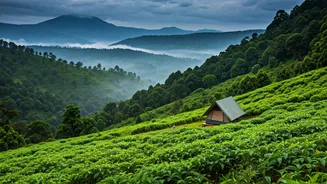
A typical day at an eco-camp in Wayanad is dictated by the rhythms of nature. You’ll wake early, the air cool and fragrant with the smell of wet earth and tea plantations. After a simple breakfast, the day’s adventure begins. This could be a guided trek to a viewpoint like Chembra Peak, where clouds drift below your feet, or a walk through coffee and spice plantations, learning to identify cardamom, pepper, and cloves. You might visit a secluded waterfall, its spray a welcome refreshment. The afternoons are often for quiet reflection – reading a book in a hammock, birdwatching, or simply watching the rain from the shelter of your verandah. The food is an experience in itself: wholesome Kerala dishes that are both delicious and nourishing. Evenings are low-key, fostering connection with fellow travellers and the natural world, a far cry from the digitally saturated reality of city life.
What to Expect and Pack
Embracing the monsoon means being prepared. The weather is unpredictable, which is part of its charm. Expect rain, but also periods of glorious sunshine. The most crucial items in your backpack should be a reliable raincoat and waterproof footwear with good grip. Quick-dry clothing is your best friend; avoid heavy cottons and denims. Given the damp environment, leech socks are a non-negotiable for trekkers. Pack a good insect repellent, a portable power bank for your essential devices (as electricity can be intermittent), and a waterproof bag or cover for your electronics and wallet. Most importantly, pack a sense of adventure and a willingness to disconnect. Many campsites have limited or no mobile network, which is often the point. It’s an invitation to be fully present in one of India’s most stunning natural landscapes.