







The Real Danger: Understanding Power Surges
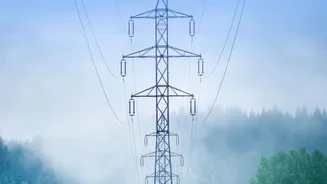
The biggest risk to your electronics isn't the outage itself, but what happens when the power comes back on. When electricity is restored, it can create a power surge—a sudden, intense spike in voltage. Modern devices like smart TVs, laptops, gaming consoles,
and even microwaves are filled with sensitive electronic circuit boards that are designed to operate within a specific voltage range. A powerful surge can instantly overload and fry these components, causing irreparable damage. Even smaller, repeated surges can degrade your electronics over time, shortening their lifespan. This is why simply waiting for the lights to come back on isn't enough; you need to be proactive.
Immediate Action: What to Do When the Power Goes Out
As soon as the power cuts, your first instinct should be to unplug your valuable electronics. This is the simplest and most effective way to protect them from a sudden surge when power is restored. Prioritise sensitive and expensive items like your television, computer, Wi-Fi router, and gaming consoles. While it might seem like a hassle, especially if the outage is brief, it’s a small effort that can save you from costly replacements. For larger appliances like refrigerators and air conditioners, which can be difficult to unplug, you might rely on other protective measures. However, for anything you can easily disconnect, do it.
Proactive Protection: Investing in a Safety Net
You don’t have to wait for an outage to happen. Investing in protective hardware is a smart move, especially in areas with frequent power disruptions. A surge protector is an essential and affordable first line of defence. It diverts excess voltage away from your devices. For more critical electronics, like a work computer or a Wi-Fi router, consider an Uninterruptible Power Supply (UPS). A UPS is essentially a battery backup that provides emergency power the moment an outage occurs. This gives you enough time to save your work and shut down your computer properly, and it also shields your equipment from damaging surges.
When the Power Returns: The Virtue of Patience
When you see the lights flicker back to life, resist the urge to immediately plug everything back in. The moments just after power restoration can be unstable, with potential for smaller follow-up surges or fluctuations. It’s wise to wait at least a few minutes for the power supply to stabilise before you start reconnecting your devices. This simple act of waiting ensures that your electronics are plugged into a steady, safe electrical flow. Start by plugging in one or two non-essential items first to test the stability before reconnecting your most valuable equipment.
Big Appliances: What About the Fridge and AC?
Unplugging a large refrigerator or a wall-mounted AC unit isn't always practical during a power cut. For these, keeping the doors of your fridge and freezer closed is crucial to preserve the cold for as long as possible. Many modern refrigerators and air conditioners have some built-in protection against minor fluctuations. However, for homeowners in areas with very unreliable power, a whole-house surge protector installed at your main electrical panel by a qualified electrician can offer a more robust, comprehensive solution for all your appliances, both large and small. It's a larger investment but provides peace of mind for your entire home.