




From 'Workation' to 'Restoration'
Forget the 'workation' trend, where the office is simply transplanted to a scenic location. This new approach is fundamentally different. It's less about working from a prettier desk and more about intentional disconnection and restoration. For a generation
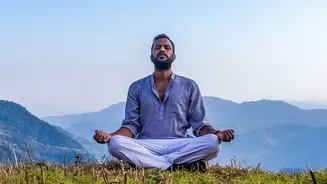
reporting high levels of stress and anxiety, the goal is no longer to juggle deadlines with sightseeing. Instead, young professionals are opting for longer, slower stays—sometimes weeks at a time—where the primary objective is to unwind, reset, and reconnect with themselves and their surroundings. The laptop might come along, but it’s no longer the main character. The focus shifts from productivity to presence, turning a temporary escape into a genuine mental and emotional reset.
The Powerful Allure of Slow Living
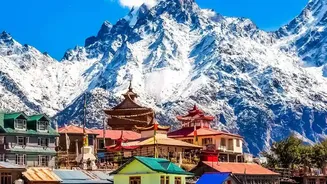
The concept of 'slow travel' is at the heart of this movement. It involves staying in one place for an extended period rather than rushing through multiple destinations. For young urbanites accustomed to a relentless pace, the appeal is immense. It’s an antidote to the 'travel burnout' fuelled by packed itineraries and the pressure to capture perfect social media moments. Eco-resorts, often nestled in serene natural landscapes like the hills of Himachal Pradesh or the backwaters of Kerala, provide the ideal setting for this deceleration. Waking up to birdsong instead of alarms and swapping city traffic for nature trails helps lower stress and improve overall well-being, offering a form of 'radical rest'.
More Than a Buzzword: What 'Eco' Really Means
The term 'eco-resort' signifies a deep commitment to sustainability that goes far beyond simply saving water and energy. These establishments are designed to have a minimal ecological footprint. Many are constructed using local, natural materials like bamboo, reclaimed wood, or even mud. They often operate on renewable energy sources like solar power, practice rainwater harvesting, and maintain organic farms that supply their kitchens. This responsible approach ensures that a traveller's stay actively supports environmental preservation rather than contributing to its degradation. Furthermore, these resorts often champion a zero-waste philosophy, integrating practices like composting and recycling into their core operations.
Cultural Insight Over Tourist Checklists
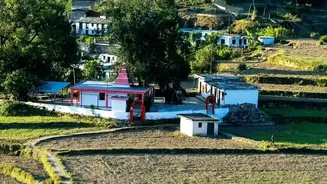
Perhaps the most profound benefit of these extended stays is the opportunity for deep cultural immersion. Unlike a conventional holiday focused on ticking off landmarks, slow travel allows for genuine connection. Eco-resorts are often deeply integrated with their local communities, employing local staff and supporting nearby artisans and farmers. This model provides guests with authentic experiences that are impossible to find on a standard tour. Travellers might find themselves learning a regional craft, participating in local cooking sessions, helping out on a farm, or simply sharing stories with the people who call the place home. It’s a shift from being a passive tourist to becoming a 'temporary local', fostering a meaningful exchange that benefits both the visitor and the host community.
A New Definition of a Productive Break
This trend redefines what it means to take a productive break. In a high-pressure work environment, rest is often seen as inactivity. However, these immersive stays prove that true rest is a powerful tool for rejuvenation. By disconnecting from the daily grind and engaging with nature and new cultural rhythms, travellers return not just relaxed, but with renewed creativity and clarity. This period of calm allows for fresh perspectives to emerge, which can be invaluable back in the professional world. It’s an investment in mental and emotional capital, proving that sometimes the most productive thing you can do is to slow down, breathe, and simply be.