




A Greener Welcome to Paradise
Kerala's tourism authorities are doubling down on their commitment to sustainability through the state's acclaimed Responsible Tourism (RT) Mission. The latest push involves a multi-pronged strategy to make top destinations cleaner, safer, and more accountable.
This initiative, often operating under the 'Green Carpet' banner, aims for the holistic development of tourist spots rather than just superficial cleaning. The goal is to create a sustainable destination management system where the community, government agencies, and tourism stakeholders work together. This means visitors will find better-managed facilities, from public toilets to pathways, and a strong emphasis on preserving the natural environment that makes Kerala so special.
The End of Single-Use Plastics
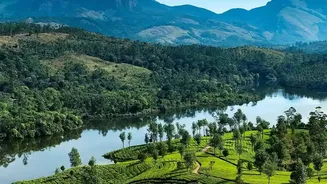
The most significant change for visitors is the strict enforcement of a ban on single-use plastics, particularly in ecologically fragile hill stations like Munnar and Thekkady. Following directives from the Kerala High Court, authorities have prohibited a range of items including plastic water bottles under five litres, disposable plates, cups, straws, and certain carry bags. To enforce this, green checkpoints are being set up at entry points to these destinations, where vehicles may be inspected for banned plastics. In some areas, officials are implementing a refundable fee system for plastic bottles to encourage visitors to return them instead of littering. Tourists are encouraged to carry reusable water bottles and cloth bags, with many destinations now providing kiosks with clean drinking water.
Better Guidance and Monitoring
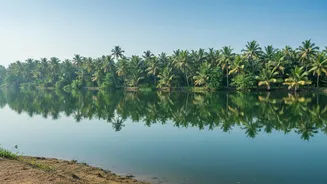
To improve the visitor experience, there is a renewed focus on providing clear guidance and ensuring safety. This includes installing better signage, maintaining pathways, and ensuring tourist facilities are up to the mark. Across the state, well-trained guides and a visible Tourism Police contingent are becoming more common in major districts to assist travellers and ensure security. This structured approach makes navigating even diverse landscapes, from the Alleppey backwaters to the hills of Wayanad, a safer and more organised experience. Monitoring extends to waste management as well, with systems being put in place for sorting biodegradable and non-biodegradable waste to prevent pollution.
What This Means for Your Trip
For travellers, these changes mean a cleaner and more pleasant environment, but they also require a bit of preparation. When packing for Kerala, especially for hill stations, leave single-use plastic items behind. Opt for a reusable water bottle, which you can refill at hotels or designated water points. Be prepared for your bags to be checked at green checkpoints when entering sensitive zones like Munnar. By adhering to these simple rules, you become a partner in preserving Kerala's natural beauty. Respecting local customs, such as dressing modestly when visiting religious sites and seeking permission before photographing people, further enhances the travel experience and fosters a positive connection with the local community.