






The Rupee Reality Check
The numbers tell a compelling story. A family of four planning a multiplex visit for a blockbuster on a weekend can expect a significant outlay. In metro cities, tickets for premium formats like IMAX can range from ₹1,800 to over ₹2,800 for special seats.
Even standard multiplex tickets can set a family back between ₹2,000 to ₹3,000 once popcorn, drinks, and parking are added. In contrast, a monthly Netflix subscription ranges from a ₹149 mobile-only plan to a ₹649 premium plan that allows 4K streaming on four devices. Annually, the most expensive Netflix plan costs ₹7,788. Other services like Disney+ Hotstar and Amazon Prime Video offer yearly subscriptions for less than the cost of a single family movie outing. This stark difference in cost makes streaming an incredibly attractive proposition, offering a vast library of content for a fraction of the price of a single two-hour film in a theatre.
The Experience Equation
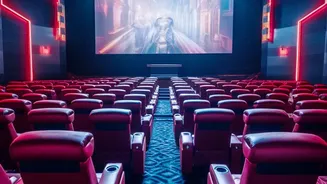
But cost isn't the only variable; the experience itself is a major consideration. Cinemas offer an immersive, distraction-free environment. The giant screen, Dolby Atmos sound, and the collective gasps and cheers of an audience create a communal event that cannot be replicated at home. This is particularly true for action films and large-scale spectacles that are designed for the big screen. On the other hand, streaming platforms offer unparalleled convenience and control. The ability to watch anytime, anywhere, on any device—and to pause for a snack break without missing a crucial plot point—is a powerful draw. For many, especially younger urban viewers, the personalised, on-demand nature of OTT viewing has become the new normal, replacing the 'first day, first show' frenzy of the past.
A Tale of Two Content Strategies
The price and experience divide has led to a divergence in content strategy. Theatrical releases are increasingly focused on becoming 'event films'—massive spectacles that justify the high ticket price. Meanwhile, streaming platforms have become the home for a wider variety of storytelling. They are more willing to back quieter, character-driven dramas, regional stories, and experimental films that might not find a wide theatrical audience. This has democratised content, giving regional cinema a national platform and exposing viewers to global shows they might never have discovered otherwise. The pandemic-era trend of big films premiering directly on digital platforms has slowed, but OTT remains a vital space for stories that don't fit the blockbuster mould.
The Big Screen Fights Back
Reports of the cinema's demise have been greatly exaggerated. After a post-pandemic lull, Indian box office collections have roared back, hitting a record ₹13,000 crore in 2025. This signals that audiences are still willing to pay for the right experience. Exhibitors are investing heavily in upgrading their facilities, focusing on premium formats like IMAX and 4DX, which generate a disproportionately high share of revenue. The theatrical window—the time before a film moves to streaming—has also stabilised at around eight weeks for most films, giving cinemas a dedicated period to attract audiences. Cinemas are no longer just places to watch a film; they are positioning themselves as premium entertainment destinations.
A Hybrid Future for Viewers
Ultimately, the 'cinema versus streaming' debate is not a zero-sum game. The modern Indian viewer is adopting a hybrid approach, choosing their platform based on the occasion, the content, and their budget. A big-budget action film with friends might call for a trip to the cinema, while a new web series or a classic movie is perfect for a quiet night in. The industry is adapting to this reality, with theatrical success now often boosting a film's viewership when it later arrives on a streaming platform. Streaming services have established themselves as the default for daily content consumption due to their convenience and low friction, while cinemas are solidifying their role as the destination for special, event-worthy cinematic moments.