




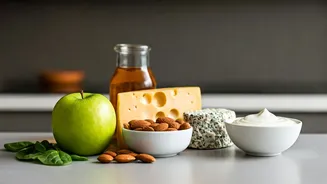


The Deal with Nuts and Seeds
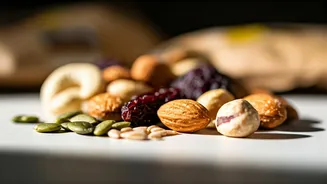
Nuts and seeds are nutritional powerhouses, praised for their healthy fats, protein, and fibre. A small handful of almonds, walnuts, or sunflower seeds can keep you feeling full and provide essential nutrients like vitamin E and magnesium. However, their high
fat content means they are also very calorie-dense. Just a small handful of most nuts (about one ounce) can contain between 160 to 200 calories. For example, an ounce of almonds is about 23 nuts and has around 160 calories, while an ounce of macadamia nuts packs over 200 calories. The key is portion control. Instead of eating directly from the bag, measure out a single serving. This allows you to reap the heart-healthy benefits without unintentionally consuming hundreds of extra calories.
The Avocado Obsession
Avocado has become a staple for healthy eaters, and for good reason. It’s loaded with heart-healthy monounsaturated fats, fibre, and potassium. However, it's also one of the most calorie-dense fruits. A single medium avocado can contain anywhere from 225 to over 300 calories. While spreading a quarter of an avocado on your toast is a great choice (about 80 calories), eating the entire fruit in one sitting is equivalent to a small meal. The good news is that the fat and fibre in avocados help you feel full, which can prevent overeating later. Enjoy your avocado toast or add slices to your salad, but be mindful of how much you're using. A standard serving is considered to be about one-third to one-half of a medium avocado.
Dried Fruit's Sweet Deception
Dried fruit like raisins, apricots, and mangoes can be a great source of fibre and nutrients. However, the dehydration process removes all the water, concentrating the sugar and calories. This means a small handful of dried fruit contains significantly more calories than the same volume of fresh fruit. For example, a cup of grapes has about 60 calories, while a cup of raisins can have over 400. Many commercially prepared dried fruits also have added sugars, which bumps up the calorie count even more. A recommended serving size for dried fruit is typically just a small box or about a quarter-cup. It's best to treat dried fruit as a garnish for your yoghurt or salad rather than a snack to be eaten by the handful.
Granola and 'Healthy' Bars
Granola and snack bars are the ultimate convenience food, often marketed as a wholesome choice. While they can contain healthy ingredients like oats, nuts, and seeds, many are loaded with hidden sugars and fats, making them closer to a candy bar in calorie content. A single bar can range from 150 to over 300 calories. The combination of dried fruit, nuts, and often honey or syrup makes them very energy-dense. When choosing a bar, it's crucial to read the label. Look for options with a short ingredient list, low added sugar, and a good amount of protein and fibre to keep you satisfied. Or better yet, make your own at home to control what goes into them.
The Smoothie Calorie Trap
A smoothie seems like the epitome of health—a blended concoction of fruits and vegetables. But what you add to that blender can quickly turn a light snack into a high-calorie meal replacement. A basic fruit and water smoothie might be low in calories, but start adding full-fat yoghurt, nut butters, seeds, honey, and large portions of high-sugar fruits like bananas and mangoes, and the calories can easily climb to 400, 500, or even more. Many store-bought smoothies are particularly high in sugar and calories. To keep your smoothie a healthy snack, focus on a base of leafy greens, use water or unsweetened almond milk as your liquid, and add a small amount of fruit for sweetness and a scoop of protein powder for staying power.