




As the festive lights of Diwali dim, a familiar, unwelcome guest often arrives: the post-festival cough. Amidst dropping temperatures and hazy skies, many of us turn to time-honoured home remedies, and one beloved classic is Besan Sheera.
A Hug in a Mug: The Tradition of Besan Sheera
Besan Sheera
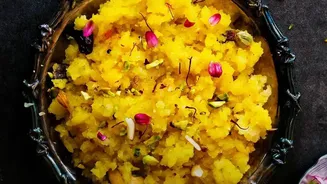
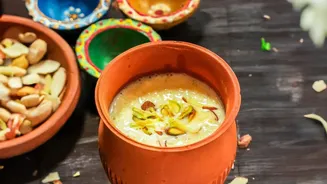
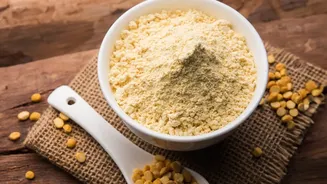
is a warm, semi-thick beverage with roots in Punjabi households, traditionally prepared to combat colds and coughs. Made by roasting gram flour (besan) in ghee until aromatic, it's then simmered with milk, sweetened with jaggery or sugar, and spiced with turmeric and black pepper. For generations, this comforting concoction has been a go-to for soothing a scratchy throat. It's more than just a food; it's a ritual, a taste of comfort that evokes a sense of care and well-being, especially when one is feeling under the weather.
The Power Players: What’s in the Sheera?
The acclaim of Besan Sheera as a remedy isn't without reason; its ingredients are known for their beneficial properties. Ghee, with its rich texture, helps lubricate and soothe an irritated throat. Turmeric contains curcumin, a compound with well-documented anti-inflammatory properties. Black pepper is often included not just for its pungency but because it contains piperine, which can enhance the body's absorption of curcumin. Besan itself is a source of antioxidants and provides energy, which can be depleted when you're sick. Together, these ingredients create a mixture that feels genuinely comforting.
The Post-Diwali Cough Connection
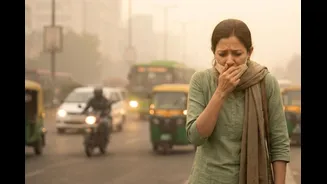
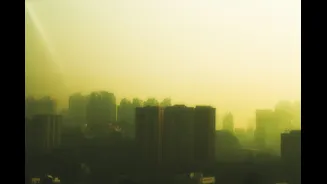
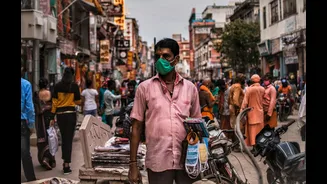
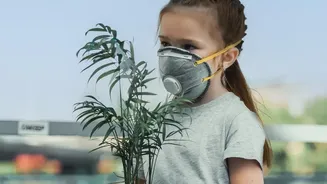
The timing of this traditional remedy's popularity is no coincidence. The days and weeks following Diwali often see a significant spike in respiratory issues across India. A combination of firecracker emissions, increased traffic pollution, and the onset of cooler, drier winter air creates a perfect storm for irritating our airways. This leads to symptoms like persistent coughs, throat irritation, and breathlessness, affecting people across all age groups, including those with no prior history of respiratory problems. In this context, it's natural to reach for a warm, soothing remedy like Besan Sheera.
Symptomatic Relief, Not a Medical Cure
Herein lies the crucial distinction. While Besan Sheera can offer wonderful symptomatic relief, it is not a 'cure'. A remedy like this provides comfort and can temporarily alleviate symptoms; the warmth soothes the throat, and the anti-inflammatory properties of its ingredients may help reduce irritation. A medical cure, on the other hand, addresses the root cause of the illness, such as an antibiotic fighting a bacterial infection. No clinical trials have proven that ghee or Besan Sheera can cure a cough or the underlying infection. Describing it as a cure is not only inaccurate but can also be risky.
The Danger of Delaying Medical Advice
Relying solely on home remedies for a persistent or severe cough can be dangerous because it might delay a proper diagnosis. A cough isn't a disease in itself but a symptom of something else, which could range from a simple viral infection to more serious conditions like bronchitis, asthma, or pneumonia. Doctors see a sharp rise in such cases post-'Diwali'. If a cough lasts for more than a week or two, is accompanied by fever or difficulty breathing, or is getting worse, it's essential to see a doctor. Home remedies should be seen as a supplement to care, not a substitute for it.