



Why Most Cheesecakes Disappoint
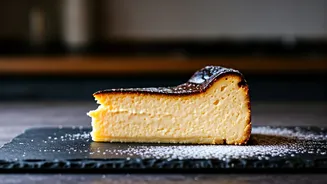
Before we build the perfect cheesecake, let's understand the common pitfalls. The most dreaded is 'The Crack'—a chasm that appears across the top, often caused by over-mixing, over-baking, or cooling the cake too quickly. Another issue is texture. A great
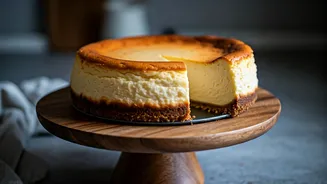
cheesecake is dense but velvety smooth, not grainy, rubbery, or weeping. This happens when the filling curdles from over-beaten eggs or ingredients that are too cold. Finally, the soggy base. A crisp, buttery biscuit crust is the foundation, but it can easily turn into a damp disappointment if not prepared correctly. The good news? Every one of these problems is preventable with the right technique, not just luck.
The Foundation: A Perfect Crust
Your cheesecake is only as good as its base. For a classic, impressive cheesecake, a digestive biscuit or graham cracker crust is non-negotiable. The secret isn’t just in the ingredients, but the method. Use about 200g of finely crushed biscuits to 100g of melted butter. The key is to ensure every crumb is coated. Add a pinch of salt to balance the sweetness. When pressing the mixture into your 9-inch springform pan, use the flat bottom of a glass to pack it down firmly and evenly, going about an inch up the sides. This dense packing is what prevents the butter from seeping out and creating a greasy base. Bake the crust for 10 minutes at 180°C (350°F) and let it cool completely. This pre-baking step ensures it stays crisp.
The Heart: A Velvety Filling
The soul of the cheesecake is its creamy filling. The number one rule: all your ingredients must be at room temperature. That means your cream cheese (use only full-fat blocks, not the spreadable tub kind), eggs, sour cream or heavy cream, and sugar. Cold cream cheese will result in lumps. Beat 900g of room-temperature cream cheese with 200g of caster sugar on low speed until smooth and creamy. Do not use high speed—you want to avoid incorporating too much air. Scrape down the sides of the bowl often. Then, add your flavourings (like vanilla extract and a pinch of lemon zest) and 200g of sour cream. Finally, add 4 large eggs, one at a time, mixing on low speed only until the yolk disappears. Over-mixing eggs is a primary cause of puffy, cracked cheesecakes.
The Secret to a Flawless Top
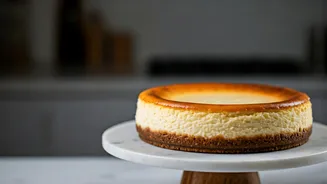
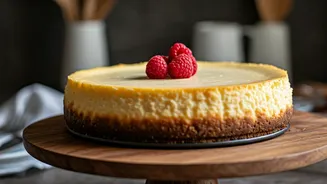
Want a pristine, crack-free surface? The secret is a water bath, or bain-marie. This technique creates a steamy, humid environment in the oven, which allows the cheesecake to bake gently and evenly, preventing it from drying out and cracking. It sounds intimidating, but it’s simple. Before you make your filling, wrap the outside of your springform pan with two or three layers of heavy-duty aluminium foil, ensuring it’s watertight. Once you’ve poured the filling into your cooled crust, place the wrapped pan inside a larger roasting pan. Put the entire setup in the oven, then carefully pour boiling water into the larger roasting pan until it comes halfway up the sides of your cheesecake pan. This gentle, moist heat is the key to that coveted, impossibly smooth top.
The Art of Baking and Cooling
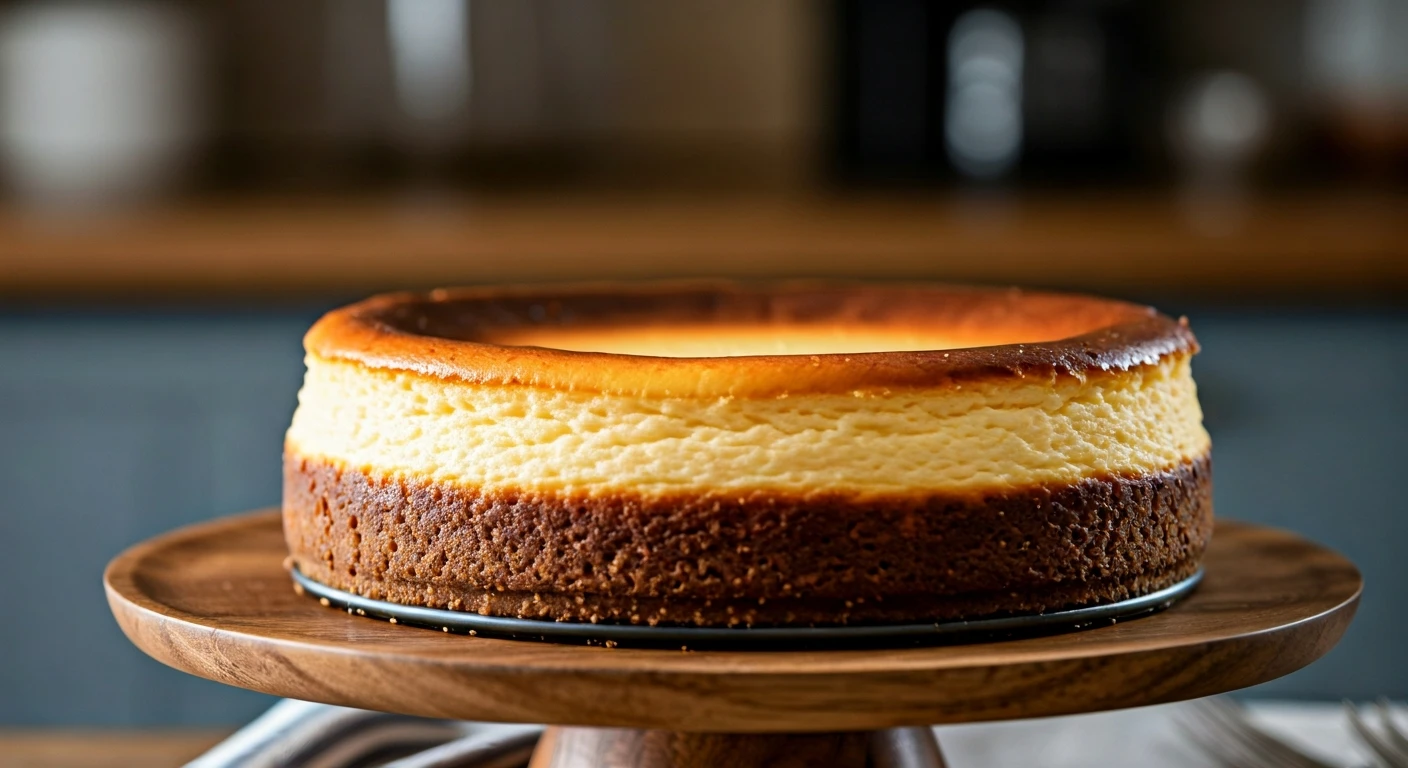
Patience is a virtue, especially with cheesecake. Bake at a lower temperature, around 160°C (320°F), for about 60-70 minutes. You’ll know it’s done when the edges are set but the centre (a 2-3 inch circle) still has a slight wobble, like jelly. Do not bake it until it’s completely firm. Once it’s ready, turn off the oven, prop the door open with a wooden spoon, and let the cheesecake cool slowly in the oven for one hour. This gradual temperature change is crucial for preventing cracks. After an hour, take it out of the water bath, remove the foil, and let it cool completely on a wire rack on your countertop. Only then should you cover it with cling film and transfer it to the refrigerator to chill for at least 8 hours, or preferably overnight. This long, cold rest is essential for the flavour to develop and the texture to set perfectly.
The Grand Finale: Presentation
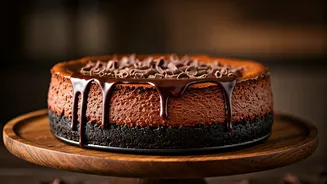
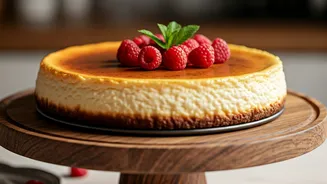
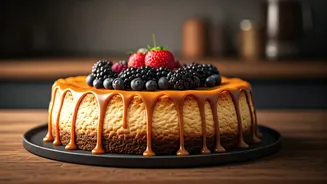
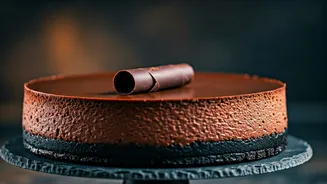
After all your hard work, the presentation should be just as impressive. Run a thin knife around the edge of the cheesecake before undoing the springform latch to ensure a clean release. For toppings, less is often more. A simple sour cream topping (whisked with a little sugar and vanilla, spread on top, and baked for a final 10 minutes) offers a classic, tangy finish. Alternatively, wait until it's fully chilled and top with a vibrant fresh berry compote, a decadent drizzle of salted caramel or chocolate ganache, or simply a pile of fresh seasonal fruits. Serve it cold, straight from the fridge, for the best flavour and texture. This isn’t just a dessert; it’s a statement.