





The Formula: Think Layers, Not Outfits
The secret to carry-on success in unpredictable weather isn't about cramming in more options; it's about choosing smarter pieces that work together. The core of the formula is a three-part layering system that you can adapt to any change in temperature
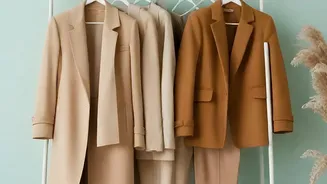
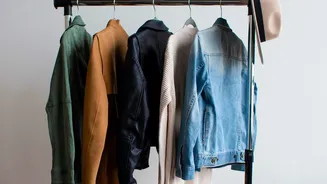
or precipitation. By building your wardrobe around this concept, you stop packing for four separate days and start packing a single, versatile system. This includes a base layer to manage moisture, a mid-layer for warmth, and a shell layer to protect you from wind and rain. Every piece should mix and match with the others, ideally in a neutral colour palette to maximize combinations.
Your Foundation: The Weatherproof Shell
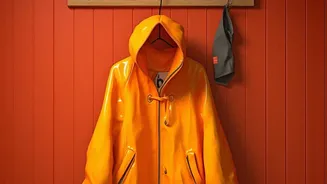
The single most important item is a high-quality, lightweight, and packable waterproof jacket. This is your primary shield against the elements. Look for a 'hardshell' jacket, preferably made with a waterproof and breathable material, which keeps rain out while letting sweat escape so you don't feel clammy. Features like an adjustable hood and sealed zippers add an extra layer of protection. This jacket is your bulkiest item, so wear it on the plane to save precious space in your bag and have it ready if the air conditioning is blasting. A good shell is not just for downpours; it also serves as an excellent windbreaker on breezy, dry days.
The Mid-Layer: Your Personal Thermostat
Your mid-layer is all about insulation. Its job is to trap body heat to keep you warm when the temperature drops. For maximum packability, a lightweight fleece, a thin cashmere or merino wool sweater, or a compressible down vest are excellent choices. Natural down is incredibly warm for its weight and compresses into a small pouch, making it perfect for a carry-on. Synthetic insulation is another great option that performs well even when damp. For a four-day trip, one versatile mid-layer is often enough. You can wear it over your base layer on cold days or under your rain shell when it's both cold and wet.
Fabric Is Everything: Choose Quick-Dry Materials
When rain is a possibility, fabric choice becomes critical. The goal is to select materials that dry quickly and resist absorbing water. The golden rule is to avoid cotton. While comfortable, cotton absorbs a significant amount of water and takes a very long time to dry, leaving you cold and damp. Instead, focus on synthetics like polyester and nylon, or natural performance fibres like merino wool. These materials are hydrophobic, meaning they repel water and dry fast. This is key for travel because you can wash an item in the hotel sink at night, and it will be dry and ready to wear by morning.
The 4-Day Carry-On Formula: A Sample List
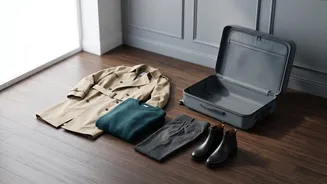
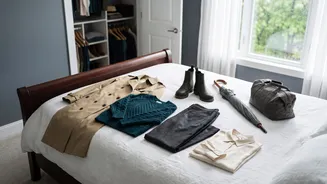
Using this layering strategy, you can pack for four days with a surprisingly small number of items. Here is a sample capsule wardrobe:Outwear (1): Your packable waterproof rain jacket.Mid-Layer (1): A lightweight fleece or packable puffer vest.Tops (3): Three long-sleeve or short-sleeve tops made of merino wool or a synthetic blend. Choose neutral, complementary colours.Bottoms (2): One pair of comfortable, quick-dry travel pants and one pair of dark-wash jeans or versatile trousers that can be dressed up or down.Shoes (2): One pair of comfortable, water-resistant walking shoes or boots (wear these on the plane) and one lighter pair of flats or loafers for evenings.Essentials: Four pairs of wool or synthetic socks and underwear, plus any sleepwear.* Accessories: A scarf can add warmth and style, and a compact umbrella is useful for quick city dashes.
Smart Packing Techniques
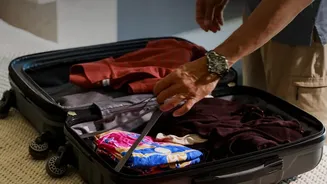
How you pack is almost as important as what you pack. Rolling your clothes tightly is a classic space-saving technique. For even better organisation and compression, use packing cubes. These small bags allow you to compartmentalise your clothing by type and squeeze out excess air. It’s also wise to bring a dedicated wet/dry pouch or even just a reusable plastic bag to store a damp umbrella or wet socks, keeping them separate from your clean, dry clothes.