







The All-or-Nothing Trap
Many of us have been there: motivated by a desire to get healthier, we decide to change everything at once. We build a strict new diet from scratch, vowing to cut out all our favourite indulgences. For a few days, or even weeks, it works. But this all-or-nothing
approach often requires immense willpower, which is a finite resource. Eventually, a busy week, a special occasion, or simple burnout can derail the entire effort, leading to a sense of failure and a quick return to old habits. The problem isn't a lack of desire, but a strategy that sets us up for a fall. Drastic dietary shifts can feel punishing and unsustainable, making it hard to stick with them in the long run.
The Power of a Single Addition
Instead of a complete revolution, consider a gentle evolution. The principle is simple: focus on adding one nutrient-dense plant food to your existing diet. This shifts the mindset from deprivation to abundance. You're not taking things away; you're adding something good. This small, manageable change is easier for your brain to adopt as a habit. It builds confidence and creates a positive feedback loop. Each time you toss a handful of spinach into your dal or add some chickpeas to your lunch, it’s a small win. Over time, this one change can lead to others. This process, sometimes called "crowding out," naturally reduces the space in your diet for less healthy options without you feeling like you are on a restrictive diet.
Easy First Choices for Indian Kitchens
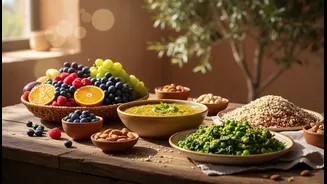
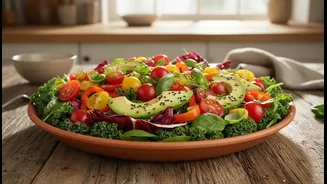
The beauty of this approach is its flexibility, especially within the rich tapestry of Indian cuisine. The goal is to pick something easy and accessible. Start by adding a handful of leafy greens like palak or methi into your daily dal or sabzi. Another simple switch is to add more legumes; chana (chickpeas) or rajma can be added to salads or served as a side. Consider swapping one of your weekly white rice meals with a nutritious millet like bajra or jowar. For snacks, a handful of almonds or walnuts is a great addition. The key is to choose one thing that requires minimal extra effort. If you enjoy sprouts, add them to your poha. If you like cucumbers, add a side salad to your lunch. The choice is yours.
More Than Just Nutrition
Adding one plant food does more than just boost your intake of vitamins, minerals, and fibre. It’s a powerful psychological tool. This single act of positive choice can increase your overall mindfulness about what you're eating. You start thinking more about how food makes you feel. This small success can have a ripple effect, creating momentum for other healthy behaviours. You might find you have more energy, which encourages you to be more active. It reframes your relationship with food, moving it away from a source of stress and toward a source of nourishment and enjoyment. Even small dietary shifts, like replacing some animal protein with plant protein, have been shown to have co-benefits for both personal health and the environment.
How to Make Your New Habit Stick
Ready to start? Keep it simple. First, choose just one plant food you genuinely enjoy or are curious to try. Second, decide exactly where you will add it. For example, “I will add a spoonful of flaxseeds to my morning dahi,” or “I will have a serving of kachumber with my dinner.” Being specific removes the guesswork. Then, commit to doing this every day for one week. Don't worry about any other dietary changes during this time. The goal is consistency, not perfection. At the end of the week, notice how you feel. Once the habit becomes automatic, you can choose to add another small change, building a healthier lifestyle one enjoyable step at a time.