







Master Your Digital First Impression
Before a hiring manager ever reads your resume, they’ll likely search your name online. Your digital presence—or lack thereof—is your new first impression. Building a strong personal brand is no longer optional; it's a crucial differentiator in a crowded
market. Start by conducting an audit of your social media profiles, ensuring they project a professional image. Your LinkedIn profile is paramount; treat it as more than just an online resume. It should tell a compelling story about your skills, values, and professional journey. A consistent and professional online presence builds trust and credibility before you even step into an interview. Remember, your personal brand is how you present your unique value to the world, making you more memorable to potential employers.
Optimise Your Resume for the AI Gatekeepers
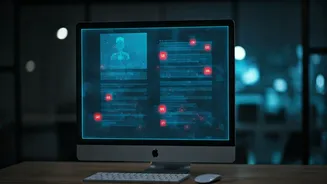
More than 90% of large companies use Applicant Tracking Systems (ATS) to screen resumes before a human ever sees them. If your resume isn't formatted correctly or doesn't contain the right keywords, it could be rejected in less than a second. To beat the bots, tailor your resume for each specific job you apply for. Carefully analyse the job description to identify keywords related to skills and responsibilities, then weave them naturally into your professional summary and experience sections. Stick to standard, clean formatting with clear headings like “Work Experience” and “Skills.” Avoid using columns, tables, or fancy graphics that can confuse the parsing software.
Showcase Skills, Not Just Degrees
There's a significant shift in hiring towards prioritising demonstrable skills over traditional credentials like university degrees. Employers increasingly want to see what you can do, not just what you've studied. This is especially true for entry-level roles where AI is automating routine tasks, pushing new hires into positions that require judgment and leadership skills sooner. Instead of just listing past job titles, focus on quantifiable achievements. Use metrics to show the impact of your work. For example, instead of saying you “managed social media,” say you “grew social media engagement by 25% over six months.” Build a portfolio of your work, whether it’s code on GitHub, a design showcase, or detailed case studies from class projects.
Prepare for the Hybrid Interview
The interview process is no longer confined to a conference room. You need to be prepared for both virtual and in-person formats. For virtual interviews, test your technology beforehand, choose a quiet space with a clean, professional background, and dress as you would for an in-person meeting. Make a conscious effort to look at the camera to simulate eye contact. One advantage of virtual interviews is the ability to have your notes and prepared questions discreetly available for reference. For any interview, demonstrate human-centered skills like communication, adaptability, and critical thinking, which are becoming more valuable as AI handles technical tasks. Nearly 90% of employers look for problem-solving evidence on resumes and in interviews.
Ask Smart Questions and Follow Up
An interview is a two-way street. Asking thoughtful questions shows you are genuinely interested and have done your research. Don’t just ask about salary; inquire about the company culture, team dynamics, opportunities for growth, and what success looks like in the role. This is also your chance to assess if the company is a good fit for you, especially regarding flexible work arrangements and mission alignment. After the interview, always send a thank-you note within 24 hours. This isn't just a formality. A well-crafted follow-up email can reiterate your interest, reference a specific point from your conversation to jog the interviewer's memory, and leave a final, positive impression.