





A Month of Spiritual Renewal
Shravan, the fifth month of the Hindu calendar, is dedicated to the worship of Lord Shiva. It’s a period of introspection, prayer, and discipline, with many devotees observing fasts, especially on Mondays (Somvar). The story of Samudra Manthan, where
Shiva drank poison to save the universe during this month, is central to its significance. This act of supreme sacrifice inspires a month of devotion, and the diet followed is a key part of this spiritual observance. The food is meant to be sattvic—pure, simple, and calming—to aid in spiritual focus and purify the mind and body. By avoiding certain foods, devotees aim to cultivate inner peace and deepen their spiritual connection.
The Wisdom of a Monsoon Diet
The dietary customs of Shravan are deeply intertwined with the ancient wisdom of Ayurveda. The monsoon season, or 'Varsha Ritu', is considered a time when our digestive fire, or 'agni', is at its weakest. The high humidity can aggravate the 'Vata' dosha, leading to issues like bloating, indigestion, and fatigue. The Shravan diet acts as a natural, seasonal cleanse. By avoiding heavy, rich, and non-vegetarian foods, the digestive system is given a much-needed rest. Onions and garlic, considered 'rajasic' and 'tamasic' (foods that create restlessness or dullness), are also avoided to promote mental clarity and calm. Instead, the focus shifts to light, warm, and freshly cooked meals that are easy on the gut.
The Sattvic Pantry: What's on the Menu?
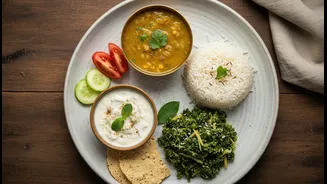
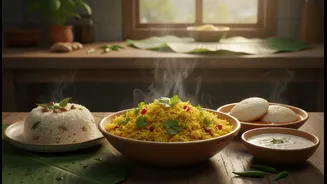
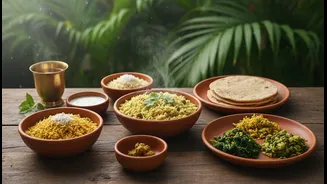
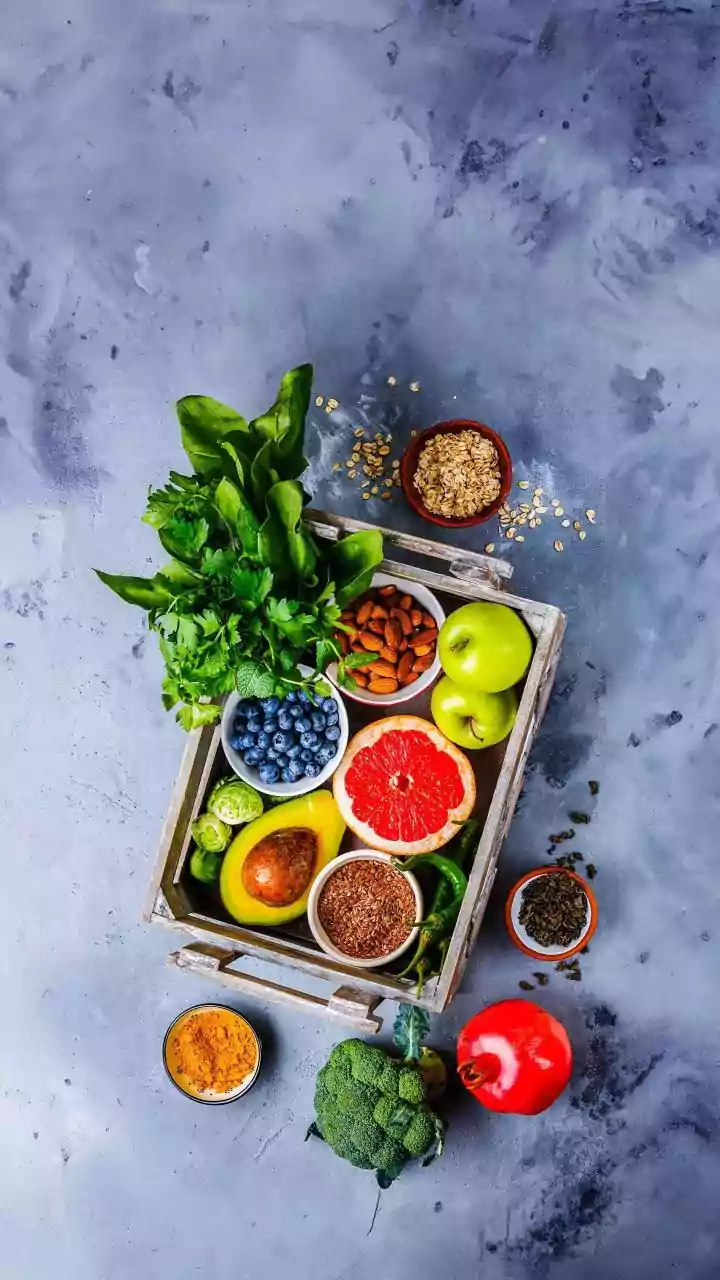
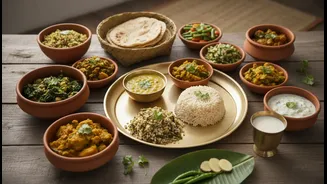
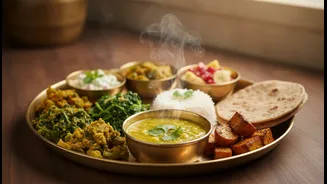
A Shravan kitchen is a testament to how delicious simplicity can be. While many ingredients are restricted, a whole new world of flavours opens up. Staples include sabudana (tapioca pearls), kuttu (buckwheat flour), rajgira (amaranth), and samak rice (barnyard millet). These are used to create a variety of beloved dishes like Sabudana Khichdi, Kuttu ki Puri, and Makhana Kheer. Vegetables like bottle gourd (lauki), potatoes, and yams are favoured, while rock salt (sendha namak) replaces regular table salt. Fruits, milk, yogurt, and nuts are also consumed generously, providing essential energy and nutrients throughout the fasting period. These meals are not just about restriction; they are a celebration of nourishing, seasonal ingredients.
More Than Just Food: The Comfort of Tradition
Beyond the spiritual and health benefits, the enduring popularity of Shravan meals lies in their emotional resonance. These are often the dishes that grandmothers and mothers have perfected over generations, linking food with memory and love. The act of preparing and sharing these special meals strengthens family bonds. For many, the taste of a simple Sabudana Vada or a bowl of sweet potato kheer is the taste of home, of festive cheer, and of a tradition that connects them to their roots. It’s a time when families come together, reinforcing cultural identity through shared practices. This feeling of comfort, nostalgia, and belonging is a powerful reason why these home-cooked meals remain a favourite year after year.