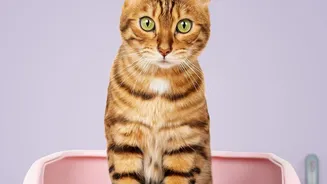




The Golden Rule of Numbers
The first step in a litter box audit is simple arithmetic. The widely accepted guideline among veterinarians and feline behaviourists is the “N+1 rule”: one litter box per cat, plus one extra. So, if you have one cat, you should have two boxes. Two cats?
Three boxes. This isn't just about providing options; it's about preventing territorial disputes and resource guarding, even in seemingly peaceful multi-cat homes. Having multiple boxes ensures that a dominant cat can't block access, and it gives every cat a clean, available option at all times. If you have a multi-storey home, experts recommend placing at least one litter box on each floor for accessibility.
Location, Location, Location
Where you place the litter boxes is just as important as how many you have. Cats instinctively seek privacy and security when they eliminate. Placing a box in a high-traffic hallway or next to a noisy washing machine can create stress and may lead them to avoid it entirely. Ideal locations are quiet, low-traffic areas like a guest bathroom, a spare bedroom, or a peaceful corner of a home office. Crucially, keep food and water bowls in a completely separate area. Cats have a strong instinct not to eliminate near their eating and drinking spaces.
Size and Style Matter
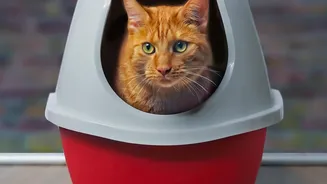
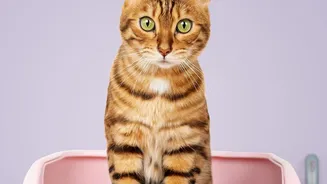
When it comes to the box itself, bigger is almost always better. A cat needs enough room to turn around comfortably and dig. Many standard commercial boxes are too small, especially for larger breeds. As a general rule, the box should be at least one-and-a-half times the length of your cat. While covered boxes might seem appealing to humans for containing odours, many cats find them cramped and trapping. An open box allows for better ventilation and gives the cat multiple escape routes, which helps them feel less vulnerable. For elderly or arthritic cats, ensure the box has at least one low-entry side for easy access.
The Right Type of Litter
The debate between clumping and non-clumping litter continues, but most cats show a preference for fine-grained, unscented clumping litter that mimics the texture of soft sand or soil. Heavily perfumed litters can be overwhelming for a cat's sensitive nose and may deter them from using the box. While materials like pine or paper pellets are options, many cats dislike the texture. If you decide to switch litters, do it gradually by mixing a small amount of the new litter into the old, slowly increasing the ratio over a week or two to help your cat adjust.
Cleanliness Is Next to Cat-liness
A dirty litter box is one of the top reasons cats begin to eliminate elsewhere. Think of it from their perspective: they are clean animals who don't want to step in their own waste. The box should be scooped at least once a day, and for clumping litter, a full replacement and deep clean of the box with mild soap and water should happen at least once a month. For non-clumping varieties, a full change is needed more frequently, often weekly. A clean box isn't just about courtesy; it's essential for preventing both behavioural issues and potential health problems.
Spotting the Signs of Trouble
How do you know if your cat is stressed by their litter situation? The signs can be subtle. Behaviours like perching on the edge of the box, hesitating before entering, digging excessively, or bolting immediately after use can all signal discomfort. The most obvious sign, of course, is eliminating outside the box. This is often a cat's final attempt to communicate that something is wrong. If you notice this behaviour, it's crucial to first rule out any underlying medical conditions with a visit to the vet, as issues like a urinary tract infection can cause pain that the cat associates with the litter box.